

How to Train Your Cat to Use a Scratching Post
Has your sofa become your cat’s favorite manicure salon? While scratching is a fundamental feline instinct, you can successfully redirect this behavior from your furniture to a designated scratching post with the right training techniques and strategic placement.
Why Do Cats Scratch?
Before beginning training, it is important to understand that scratching is not an act of spite or mischief; it serves several critical biological functions. Cats have scent glands between their paw pads that secrete pheromones. By scratching, they leave behind both visual marks and olfactory signals to establish their territory.
Furthermore, scratching is essentially a form of “feline yoga” that promotes balance, grip strength, and overall flexibility. This activity also helps cats shed the outer husks of their claws, keeping their “tools” sharp and healthy. High-quality scratching posts are designed to satisfy these needs by providing a stable, durable surface that protects your home furnishings.
- -34%
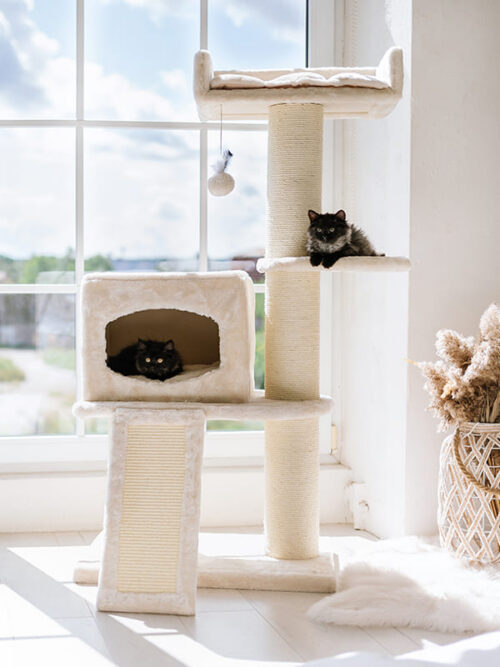
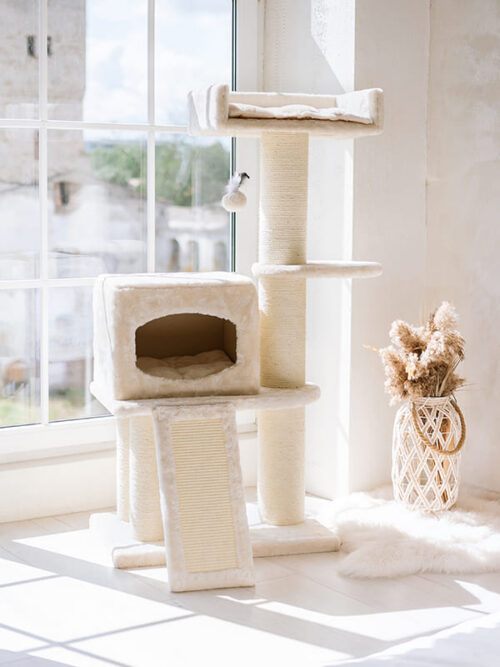
Original price was: 149,00 €.99,00 €Current price is: 99,00 €.
- -12%
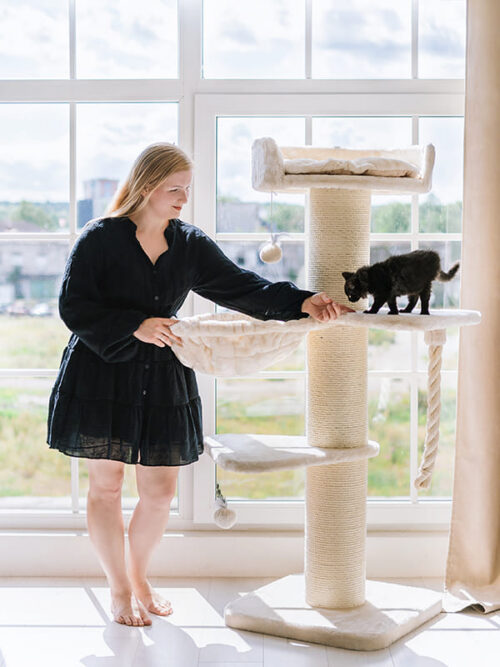
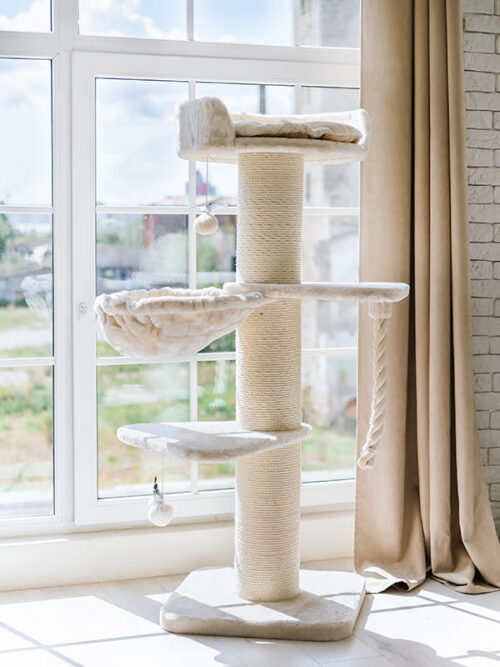
Original price was: 199,00 €.175,00 €Current price is: 175,00 €.
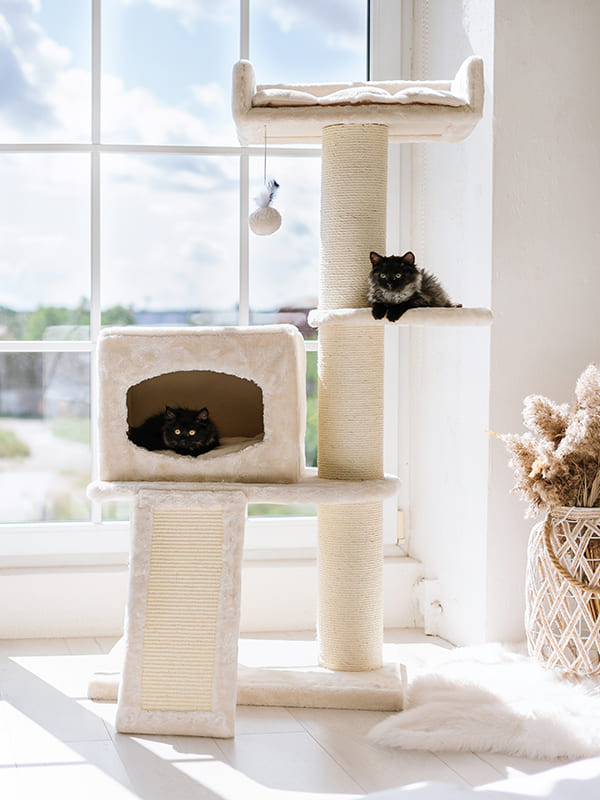
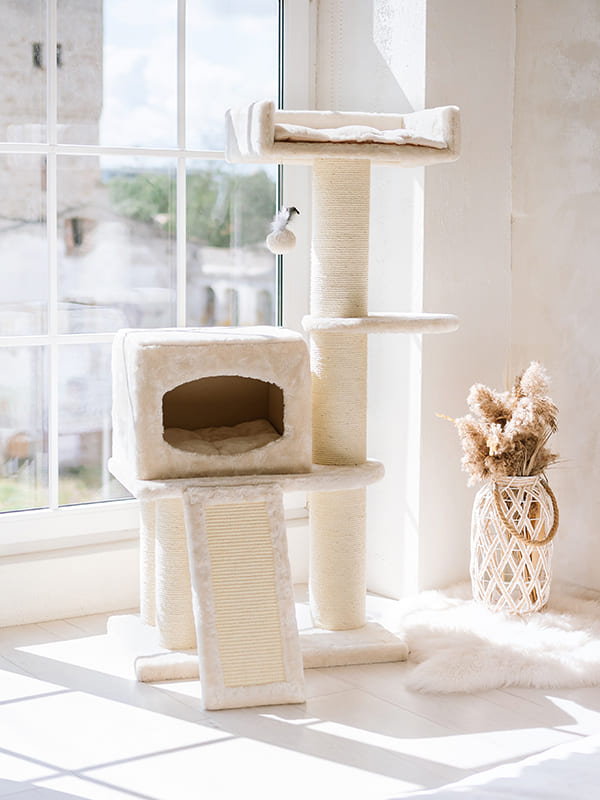
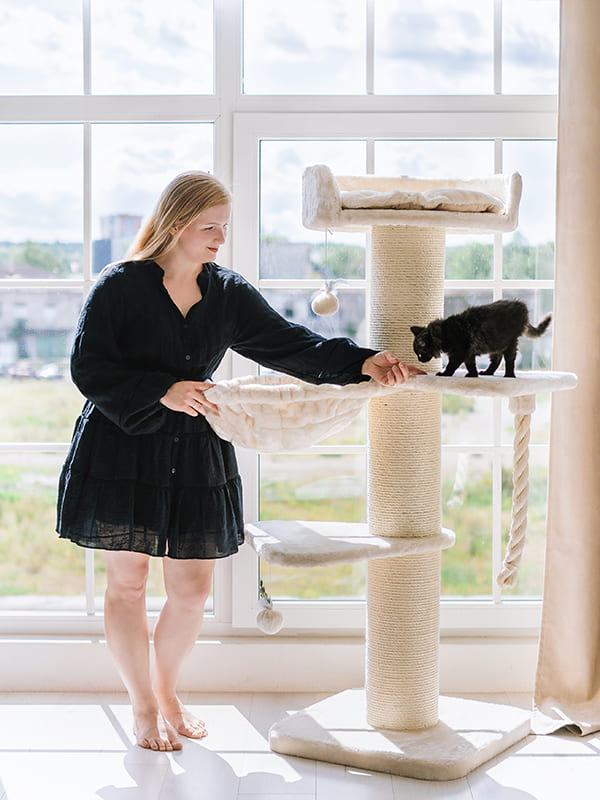
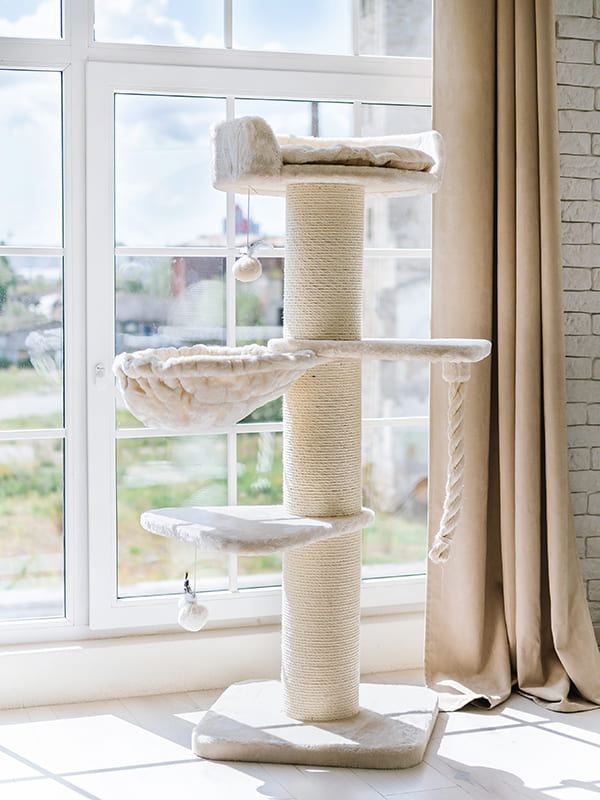
Choosing the Right Equipment and Location
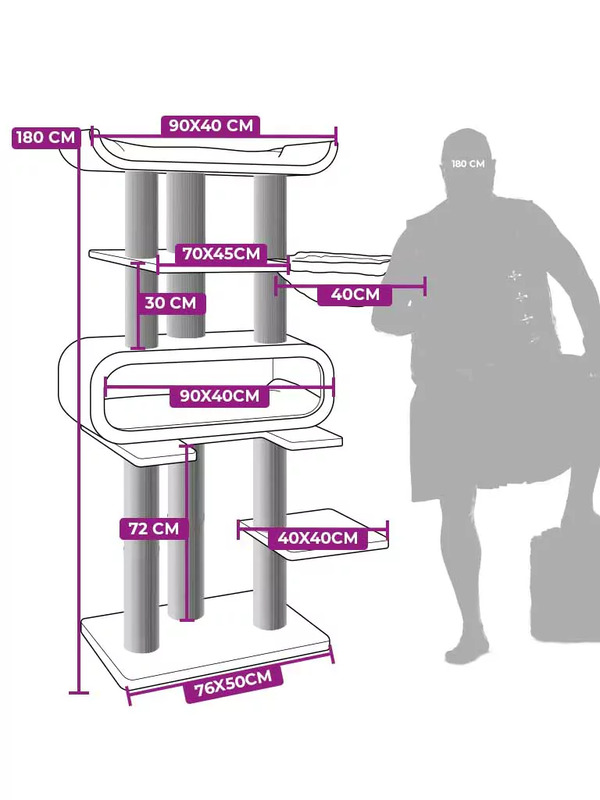
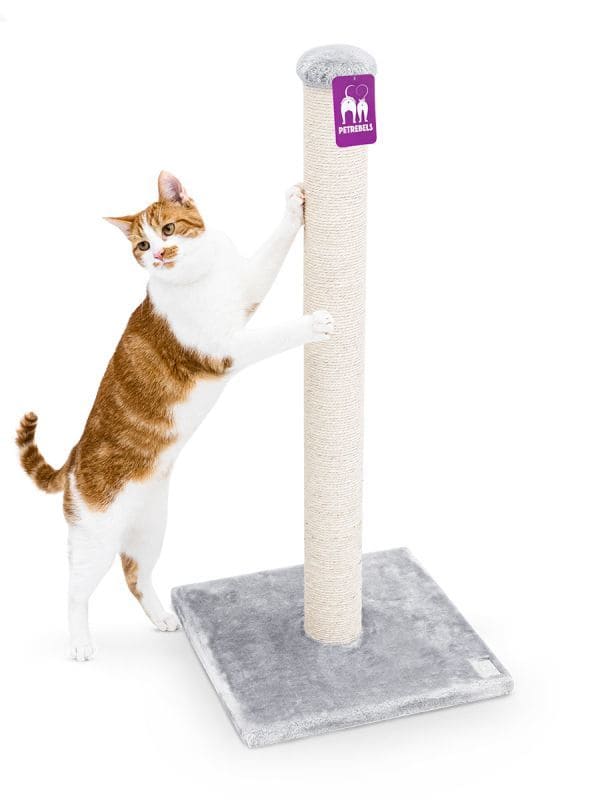
Training often fails when the equipment doesn’t meet a cat’s physical needs. A scratching post must be tall enough for the cat to fully extend its body while standing on its hind legs. Stability is also paramount—if a post wobbles or tips over, the cat may develop a fear of it and avoid it altogether.
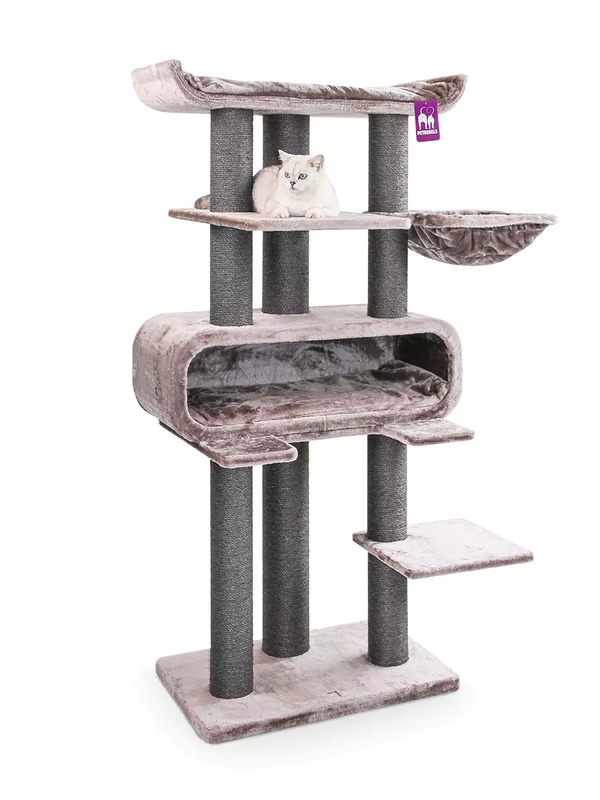
Large scratching posts provide the necessary height and a heavy base for larger breeds, ensuring they feel secure. It is also worth observing your pet’s specific preferences: while some cats prefer vertical stretching, others are “horizontal scratchers” who prefer surfaces like scratching mats.
Strategic placement is the secret to training success, as feline behavior is closely tied to daily routines.
- Near Sleeping Areas: Cats almost always want to stretch immediately after waking up. Placing a scratching surface right next to their favorite nap spot is a winning strategy.
- Central Living Spaces: Cats want their “territory markers” to be seen and smelled. Place the post in the living room or wherever the family spends the most time.
- High-Traffic Routes: Position the post along the natural paths your cat takes between their food bowl, litter box, and resting areas.
Practical Tips for Guiding Your Cat
Once you have selected the right gear—our guide on how to choose the ideal scratching post offers deeper insights—it is time to begin behavioral shaping. Positive reinforcement is the most effective tool in your arsenal.
Luring and Rewarding
Never use punishment or force your cat’s paws onto the post, as this creates a negative association and fear. Instead, use rewards. If you see your cat investigating or using the new post, immediately offer a treat, a chin scratch, or verbal praise. You can also use a “lure” (like a feather wand) to lead them toward the post.
Using Catnip and Play
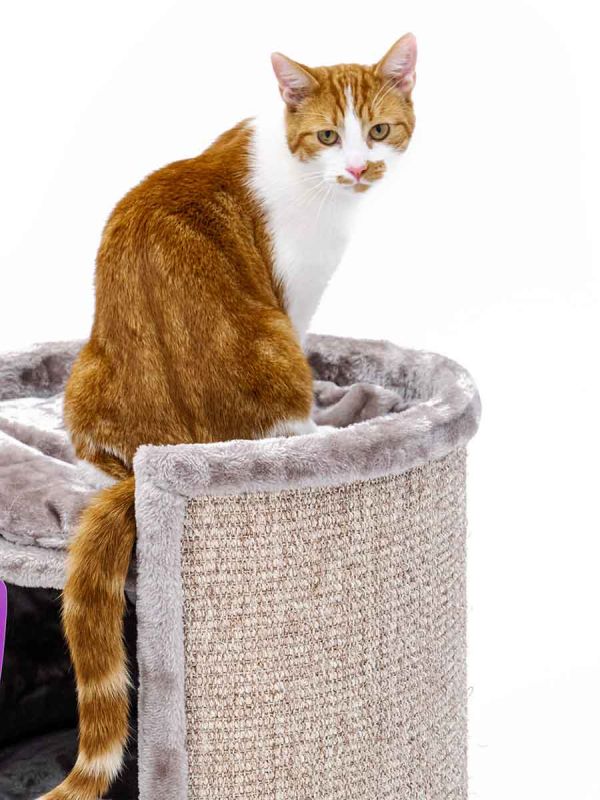
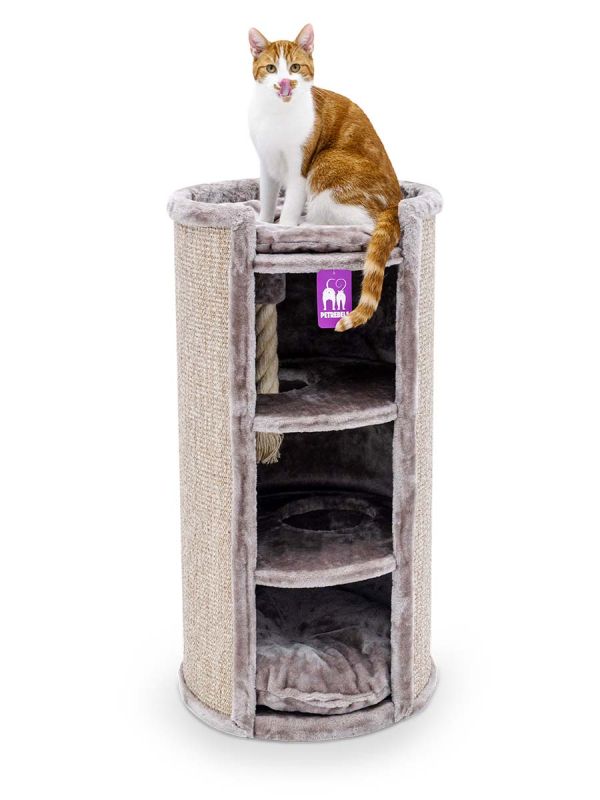
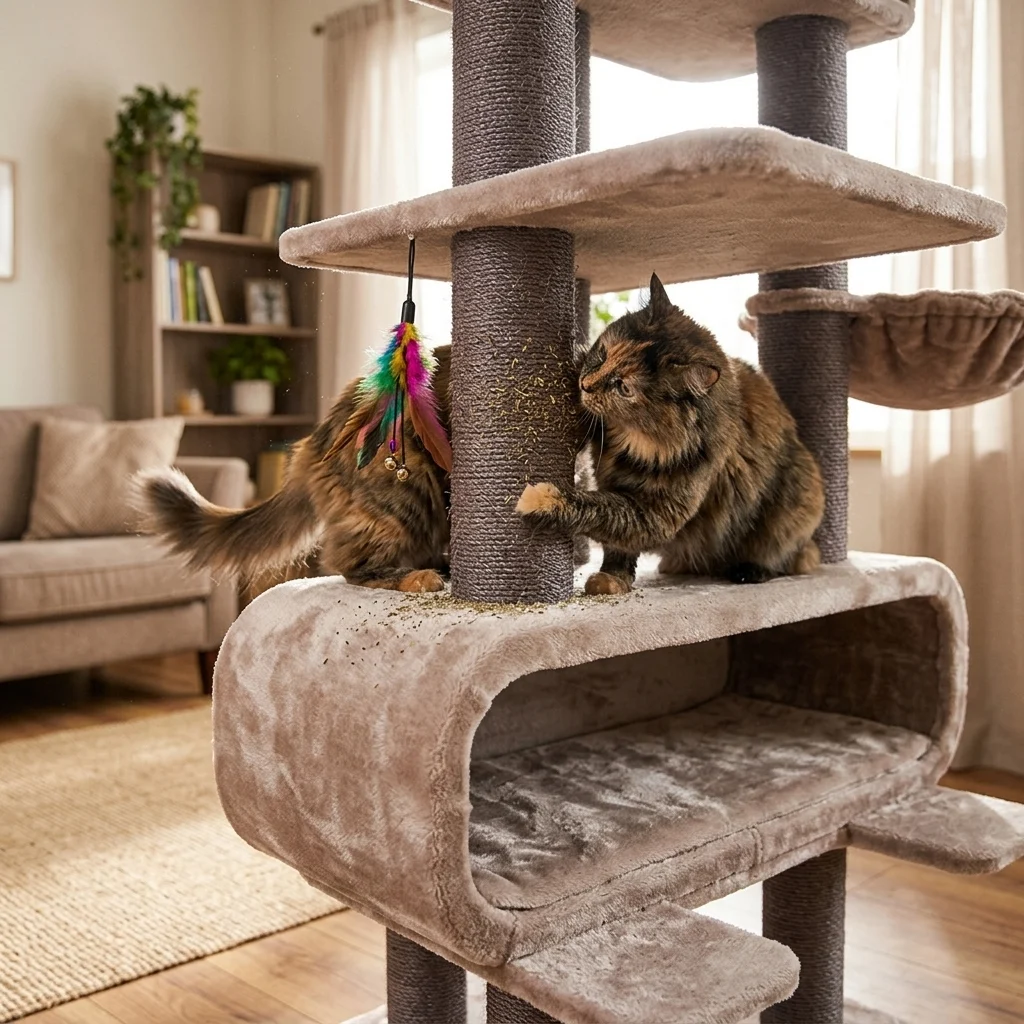
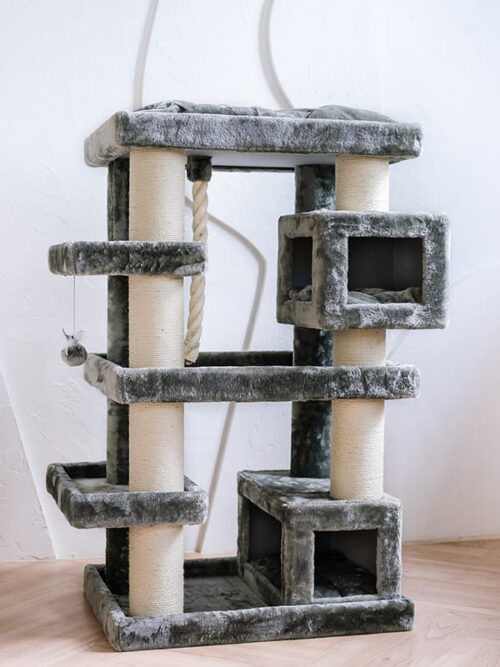
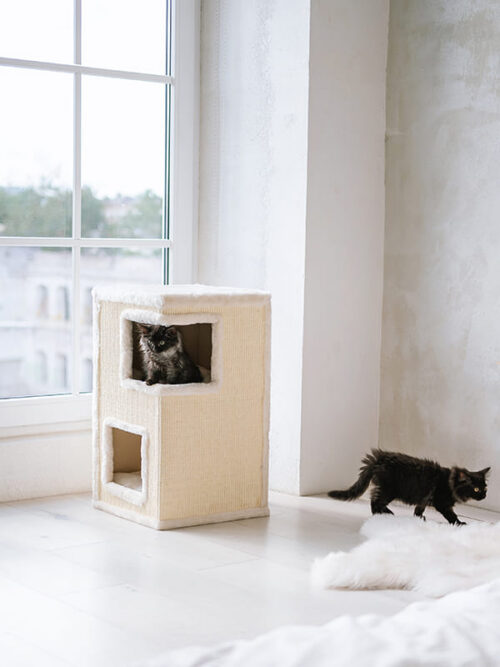
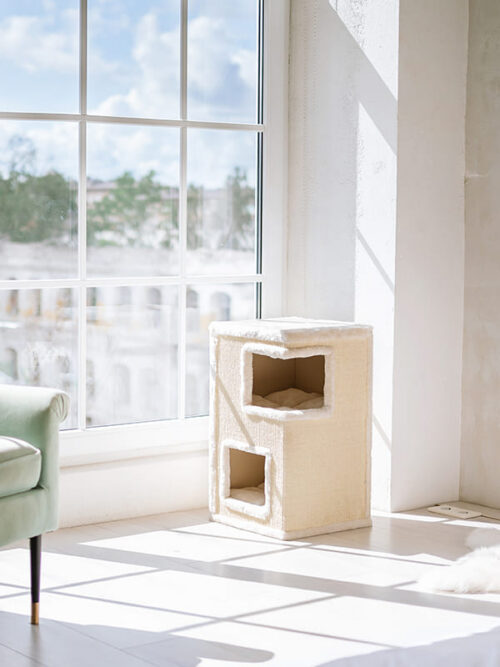
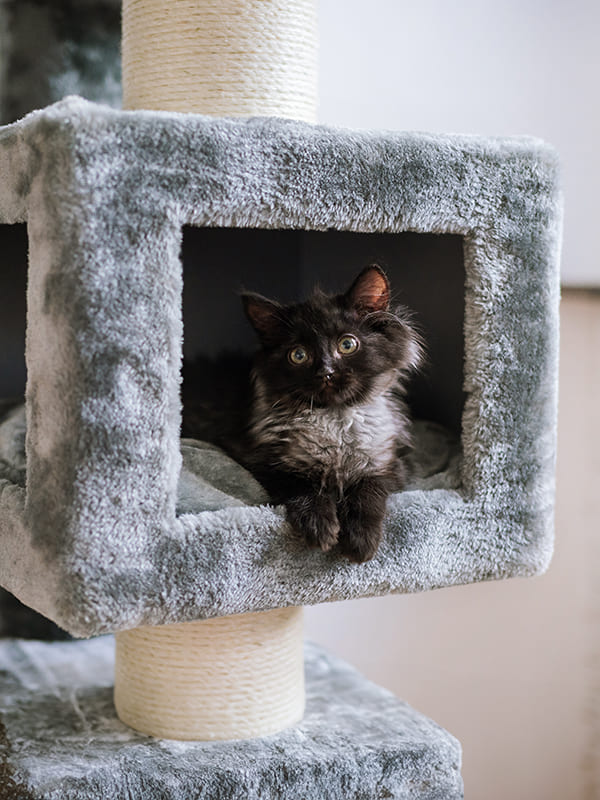
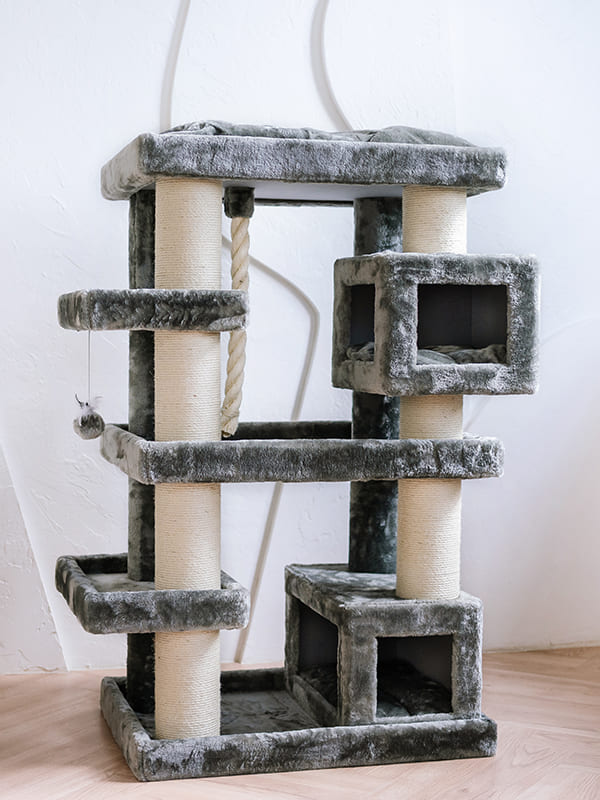
To spark immediate interest, you can rub or spray catnip on the post to make the surface irresistible. Many owners find success hanging toys from the post to encourage the cat to climb and grab. Scratching towers offer extra value here, providing hidden cubbies and climbing tiers that turn “claw maintenance” into a fun activity.
Making Furniture Less Appealing
While you are making the new post attractive, you should temporarily make your furniture unattractive. Use double-sided “sticky tape” or specialized furniture protectors that feel unpleasant to cat paws. This encourages the cat to seek out the much more satisfying texture of their new sisal-covered post or climbing tree.

Consistency and Variety
If you catch your cat scratching the sofa, calmly redirect them to the scratching post without scolding. Avoid the temptation to grab their paws and “show” them how to scratch; cats are independent learners and prefer to discover textures on their own terms.
Since feline preferences can change, it is often wise to offer a variety of options. By combining medium-sized scratching posts with wall-mounted elements, you create an enriched environment that satisfies their instincts. With a little patience and the right equipment, you can save your furniture and provide your cat with a vital outlet for their health and happiness.
- -35%
Original price was: 359,00 €.235,00 €Current price is: 235,00 €.
- -44%
Original price was: 99,00 €.55,00 €Current price is: 55,00 €.
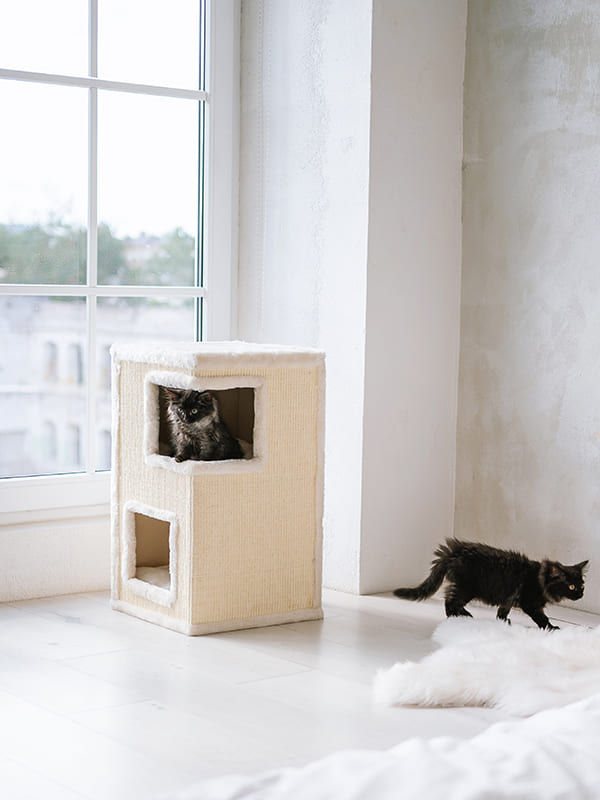
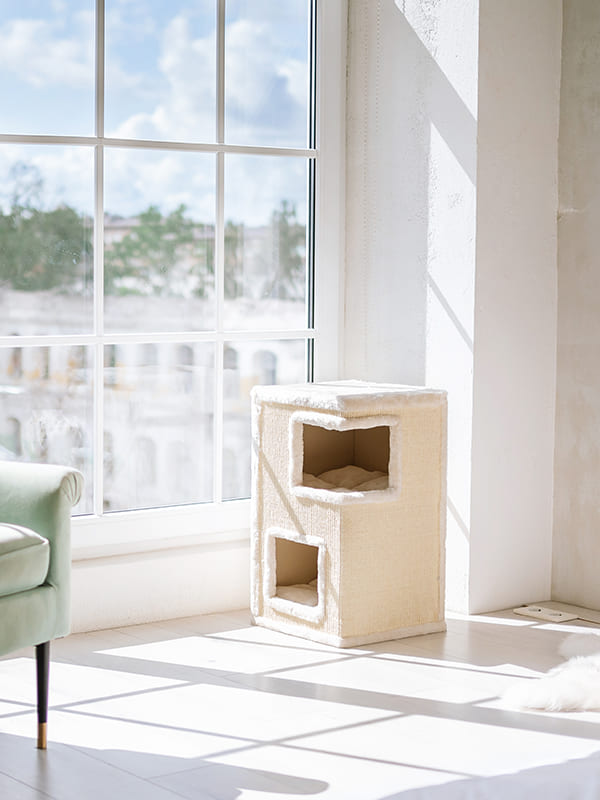
To find the perfect match for your cat’s personality and your home décor, explore our wide selection of durable scratching solutions designed to keep your pet happy and your furniture intact.