

How to Switch Cat Food: A 7–10-Day Transition Schedule
Switching your cat’s diet too quickly is a recipe for trouble—often triggering vomiting, diarrhea, or an outright refusal to eat. The secret to avoiding digestive upset is a slow, methodical transition: gradually increase the portion of new food while phasing out the old. Below, you will find practical feeding schedules, exact portion examples in grams, and clear warning signs that tell you when to tap the brakes.
| Situation | Recommended Transition Period |
|---|---|
| Healthy adult cat, same food format (e.g., dry to dry) | 7–10 days |
| Picky eater or history of digestive issues | 2–3 weeks (or longer if needed) |
| Switching between dry and wet food | At least 1 week, up to 1–2 months if needed |
| Kitten food → Adult cat food | 7–14 days, typically around 12 months of age |
| Prescription or veterinary diet | Follow your veterinarian’s specific instructions |
Step-by-Step Schedule: 7–10 Days
Most pet nutritionists and veterinary organizations recommend a gradual, multi-day ramp-up. The standard schedule endorsed by PetMD and Purina looks like this:
| Days | Current Food | New Food |
|---|---|---|
| 1–2 | 75% | 25% |
| 3–4 | 50% | 50% |
| 5–6 | 25% | 75% |
| 7 | 0% | 100% |
Purina’s general guidelines recommend an even gentler progression: holding at 75% new food through days 5–7 and completing the full switch on days 8–10. If your cat is prone to a sensitive stomach, stretch each phase out over several days and let them set the pace.
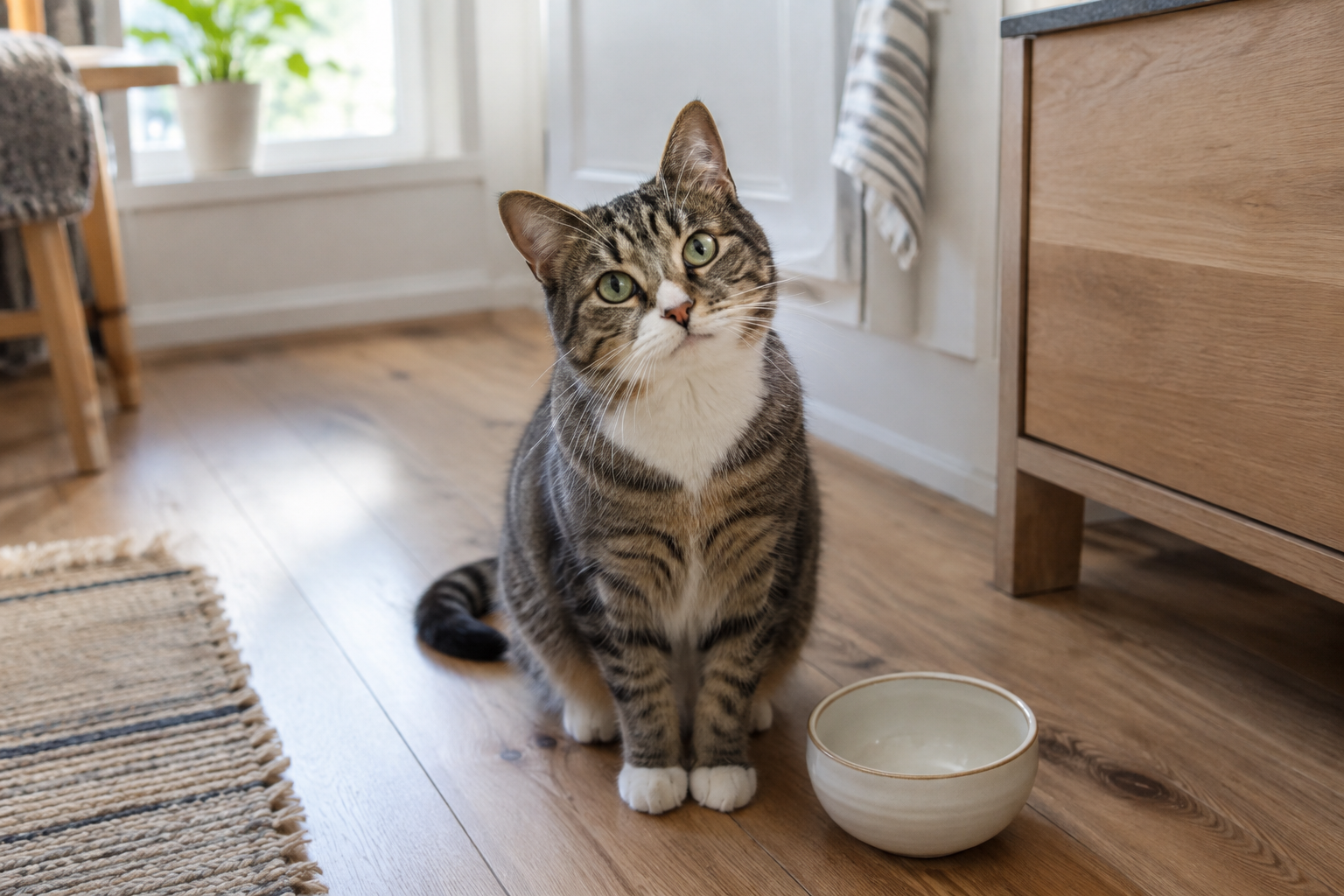
A practical example in grams: Suppose your cat eats 60 g of dry food per day. (Check the feeding guidelines on the bag or consult our guide on how much to feed a cat per day to find their precise daily requirement.)
- Days 1–2: 45 g current food + 15 g new food
- Days 3–4: 30 g current food + 30 g new food
- Days 5–6: 15 g current food + 45 g new food
- Day 7: 60 g new food
Notice that the overall daily amount never changes. You are substituting one food for the other, not piling extra calories on top.
Should You Mix the Foods or Serve Them in Separate Bowls?
According to Purina Veterinary Diets, some cats dislike having two different foods stirred together and may walk away from the bowl entirely. If that happens, offer the new recipe in a separate dish placed right beside the old one. Remember, too, that cats are territorial eaters and strongly prefer their own dedicated dishes. For tips on choosing the right setup, check out our cat bowl buying guide.
When to Slow Down the Transition
Keep a close eye on your cat’s litter box habits, appetite, and energy levels throughout the switch. VCA Animal Hospitals recommends pausing or stepping backward if you notice loose stools, vomiting, or sudden disinterest in food. Simply return to the previous ratio where your cat felt comfortable, and give their digestive system a few more days to adjust.
- A single soft stool is not a crisis, but it does mean you should hold off on increasing the new food until their digestion settles.
- Vomiting paired with lethargy, loss of appetite, abdominal discomfort, diarrhea, or blood requires immediate veterinary care, notes VCA.
- Persistent scratching and inflamed skin usually point toward a food allergy rather than standard transition trouble. A true food allergy can only be diagnosed through an 8–12-week strict elimination diet trial under veterinary supervision, during which all treats must be eliminated (PetMD).
What to Do If Your Cat Refuses the New Food
Cats are notoriously sensitive to the smell, texture, and mouthfeel of their food. According to the American Animal Hospital Association (AAHA), food transitions can take up to 40 days, and switching between fundamentally different textures (like dry kibble to wet food) can easily take one to two months. VCA notes that a picky cat may need two to three weeks just to warm up to a new flavor.
A few reliable strategies to help them adjust:
- Start smaller: Introduce as little as 10–15% of the new food at first (PetSmart).
- Warm up wet food: AAHA guidelines point out that cats prefer meals served close to body temperature; food straight from the fridge often gets rejected.
- Choose a quiet feeding spot: Set up their dish in a calm, stress-free space well away from foot traffic, other pets, and the litter box (Purina).
- Pause the extras: PetSmart recommends cutting out treats and table scraps during a transition so your cat comes to mealtime with a healthy appetite.
Never try to starve a cat into eating a new food. VCA warns that cats who go without proper nutrition for even 24 hours need a vet’s attention. Prolonged fasting can trigger hepatic lipidosis (fatty liver disease)—a potentially fatal metabolic disorder that can set in after just three to four days of severe calorie restriction, with overweight cats at the greatest risk. If your cat refuses to eat, switch back to their familiar food and reach out to your veterinarian. For more troubleshooting steps, read our guide on what to do when your cat won’t eat.
Switching from Dry Food to Wet Food
Shifting from kibble to canned food usually means overhauling your daily routine. If your cat is used to grazing on dry food whenever they like, the Veterinary Information Network (VIN) advises establishing set meal times with their dry food first. Once your cat adapts to a predictable schedule, start introducing wet food at those designated meals. Be sure to cut back on the dry food proportionally to avoid overfeeding.
Royal Canin suggests stretching this transition over at least a week—either by mixing the wet and dry together or by crumbling a bit of kibble on top of the wet food to tempt them. Always keep track of the calorie content of both items. You can explore quality options in our wet cat food collection. For day-to-day feeding, make sure to pick a complete wet food, such as Prospera Plus for adult cats:
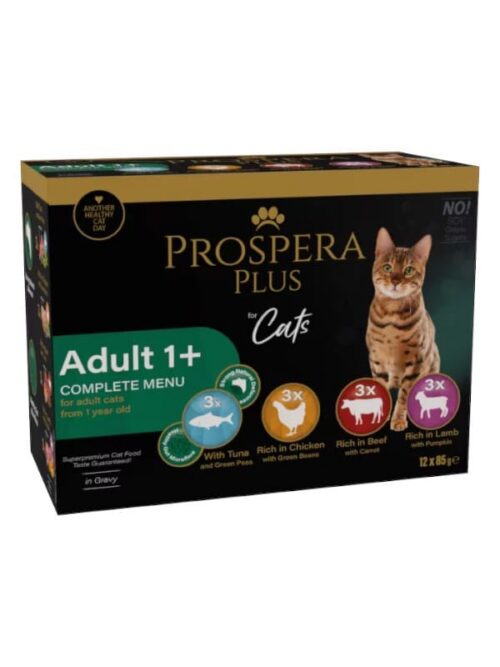
Double-check the label for the term complete pet food versus complementary pet food. Complementary recipes are meant as meal toppers or occasional treats—they do not provide balanced standalone nutrition.
Transitioning from Kitten Food to Adult Cat Food
VCA recommends moving your cat to adult food around 12 months of age, or whenever they reach full skeletal maturity—whichever comes later. While most cats finish growing between 9 and 12 months, larger breeds like Maine Coons can take up to 18 months to fully develop. When the time comes, aim for a 7–14-day transition. For a deeper look at early life nutrition, see our guide on kitten food.
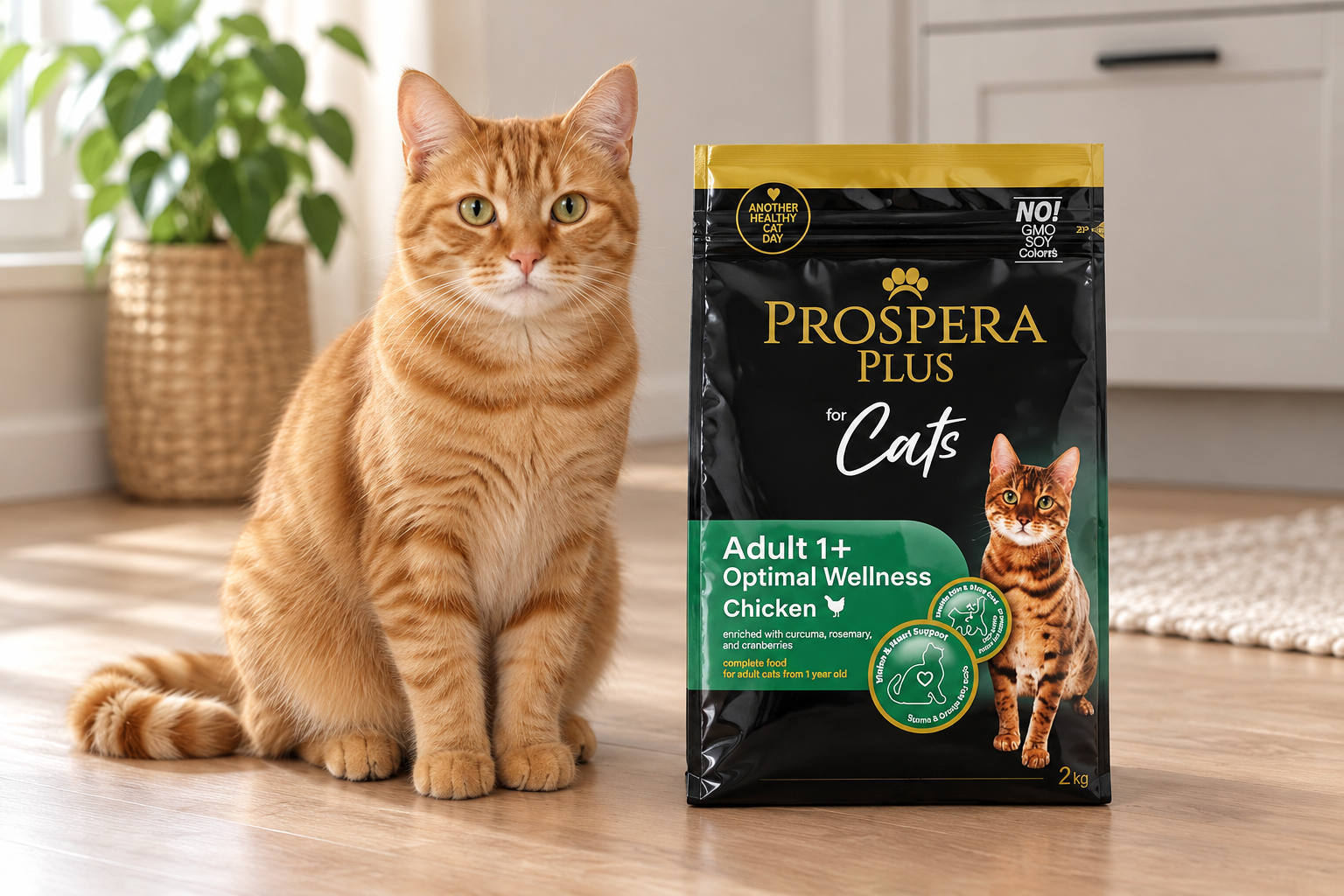
Pro tip: If your cat eats dry food, buy a smaller 2 kg bag of adult kibble to start. That way, if your cat turns their nose up at the new kibble size or flavor, you are not stuck with a massive supply.


Cats with Sensitive Stomachs and Prescription Diets
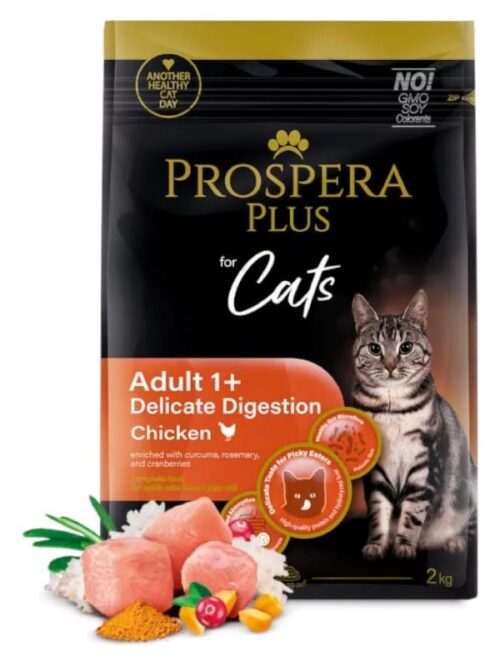
If your cat has a sensitive stomach, stretch the transition timeline to 10–14 days. IAMS advises lingering at each step for an extra few days whenever you notice mild changes in stool. PetSmart similarly recommends two weeks or longer for senior cats, cats prone to gastrointestinal flare-ups, or whenever you make a dramatic switch in protein sources. Gentle options formulated for delicate digestive tracts include Brit Care Sensitive and Prospera Plus Delicate Digestion.


Never start or stop a prescription diet without your vet’s approval. As the AVMA notes, therapeutic diets formulated to manage specific health conditions should only ever be used under professional supervision. Likewise, an overweight cat should never be placed on an unmonitored crash diet, since rapid weight loss carries severe health risks (VCA). If you need help choosing a daily maintenance formula, browse our guide on how to choose cat food.
Common Mistakes to Avoid
- Switching foods overnight: Sudden changes in formulation almost always cause digestive upset, vomiting, or diarrhea.
- Rushing the next step: Make sure your cat is eating the current mix comfortably before you bump up the percentage of new food.
- Increasing total portion sizes: Change the ratio between the two foods, not the total daily caloric intake.
- Changing everything at once: Avoid altering the brand, texture, and feeding routine on the same day.
- Ignoring red flags: If diarrhea, vomiting, or refusal to eat persists for more than a day, check in with your vet.
Ready to make the switch? Pick up a small bag of your chosen formula, swap out 25% of your cat’s regular meal for the first two days, and watch how they do. You can find quality options to suit every preference in our dry cat food category.