

What to Do When Your Cat Stops Eating: A Guide to Restoring Their Appetite
Has your cat suddenly started snubbing their food bowl? While cats are famously finicky eaters, a total refusal to eat is more than just a “mood”—it can be a serious red flag. When your feline friend goes on a hunger strike, acting quickly and understanding the underlying cause is essential for their recovery.
Common Reasons Why Cats Refuse Food
Cats are creatures of habit, and their appetite is a delicate balance of physical health and emotional security. If your cat has stopped eating, one of these factors may be the culprit:
- Stress and Environmental Shifts: Cats are highly sensitive to change. A recent move, a new pet or family member, or even noisy renovations can cause enough anxiety to suppress their appetite.
- Dental Pain: Issues like gingivitis, mouth ulcers, or a fractured tooth make chewing agonizing. If your cat approaches the bowl with interest but backs away after the first bite, the problem is likely oral.
- Underlying Medical Conditions: Infections (especially upper respiratory infections that block their sense of smell) can make food unappealing. More serious conditions like kidney disease, diabetes, or gastrointestinal issues also lead to a loss of appetite.
- Food Aversion or Recipe Changes: Cats can develop a “learned aversion” if they felt nauseous the last time they ate a specific food. Alternatively, a manufacturer may have changed a recipe, and your cat simply doesn’t approve of the new flavor profile.
When Is a Lack of Appetite an Emergency?
Unlike dogs or humans, cats are biologically ill-equipped for fasting. If an adult cat goes without food for more than 24 to 48 hours, they are at high risk for hepatic lipidosis (fatty liver disease). This life-threatening condition occurs when a starving body sends fat stores to the liver to be processed into energy too quickly, leading to liver failure.
Contact your veterinarian immediately if the loss of appetite is accompanied by:
- Vomiting or diarrhea.
- Lethargy or hiding in unusual places.
- Labored or rapid breathing.
- Jaundice (a yellowish tint to the gums or the whites of the eyes).
Practical Tips to Encourage Your Cat to Eat
If your vet has ruled out a medical emergency, or if you are dealing with a minor bout of pickiness, you can try these strategies to jumpstart their appetite.
Entice Them with Aroma
A cat’s appetite is driven largely by their sense of smell. If you are serving wet food, try warming it slightly (just to body temperature) to release its oils and aromas. You can also add a splash of warm, low-sodium chicken broth or the liquid from a tin of tuna to make the meal smell irresistible.
Experiment with Texture and Flavor
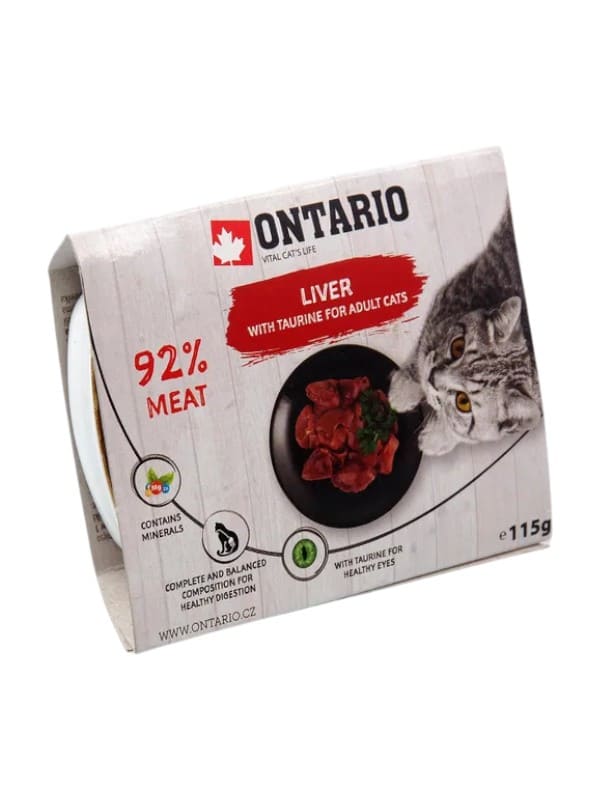
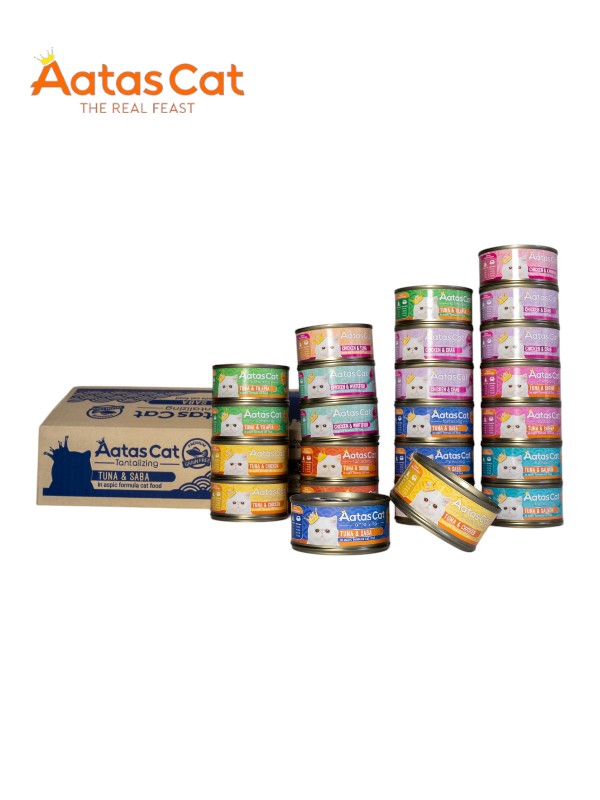
Sometimes a “hunger strike” is actually a protest against a specific texture. If your cat usually eats chunks in gravy, try switching to a smooth pâté or a hydrating soup. Softer textures are often easier to manage if the cat is feeling slightly under the weather.

Use High-Value Appetizer Toppers
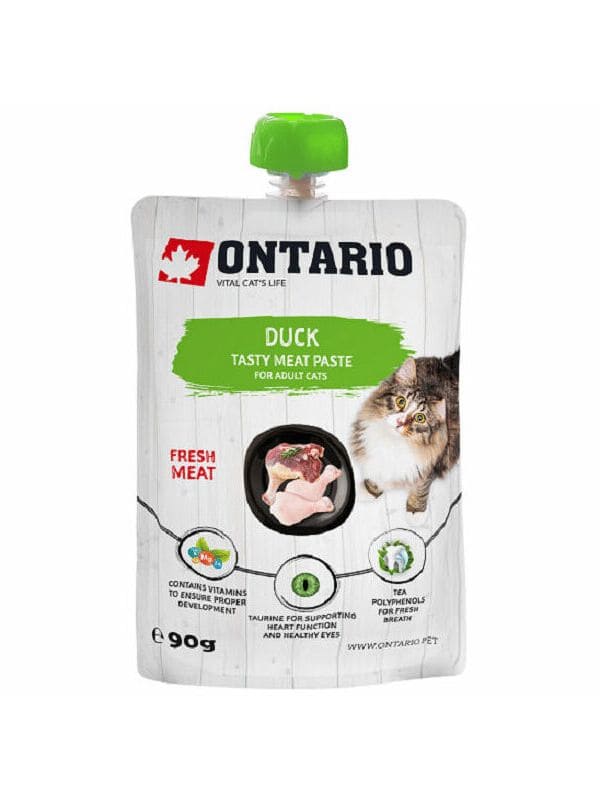
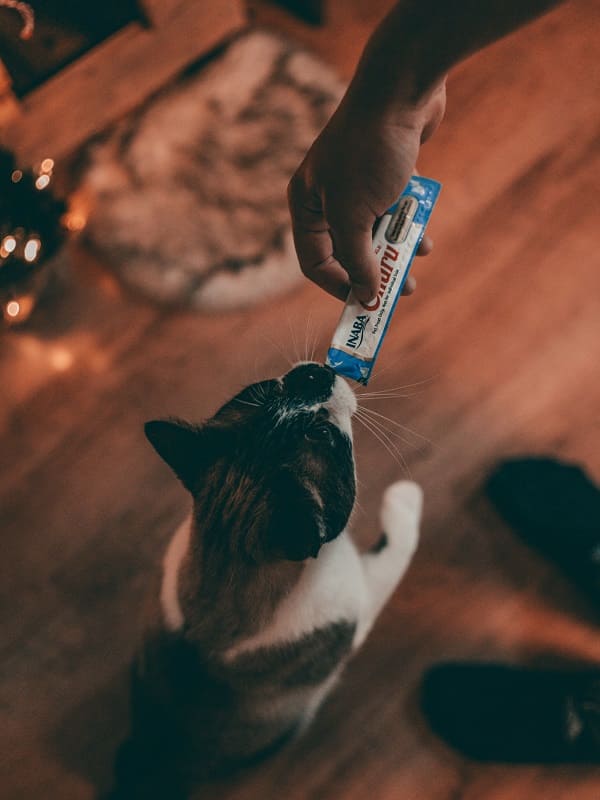
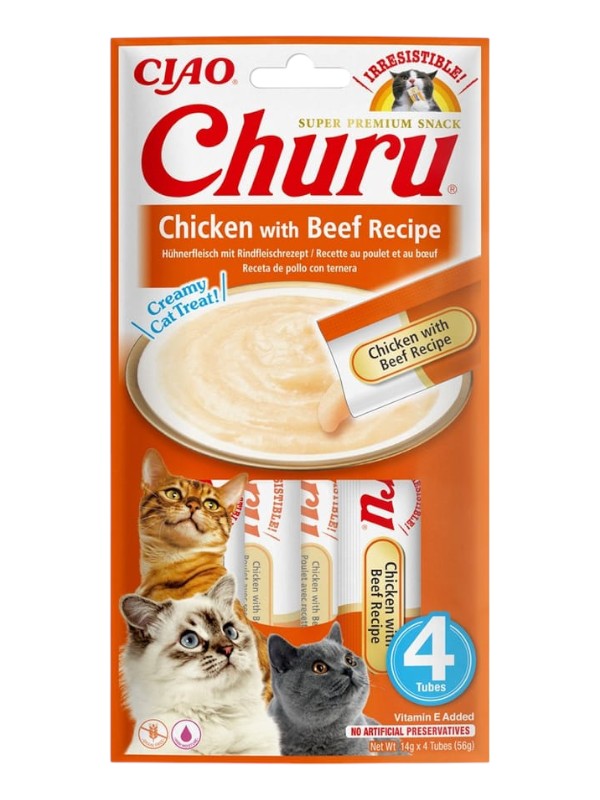
Puree treats and liquid snacks are excellent for coaxing a reluctant cat to take that first lick. These treats have an intense flavor profile that most cats find impossible to resist. Churu treats and puree pastes can be squeezed directly onto their regular food to act as an “appetite starter.”

Create a Safe Dining Space
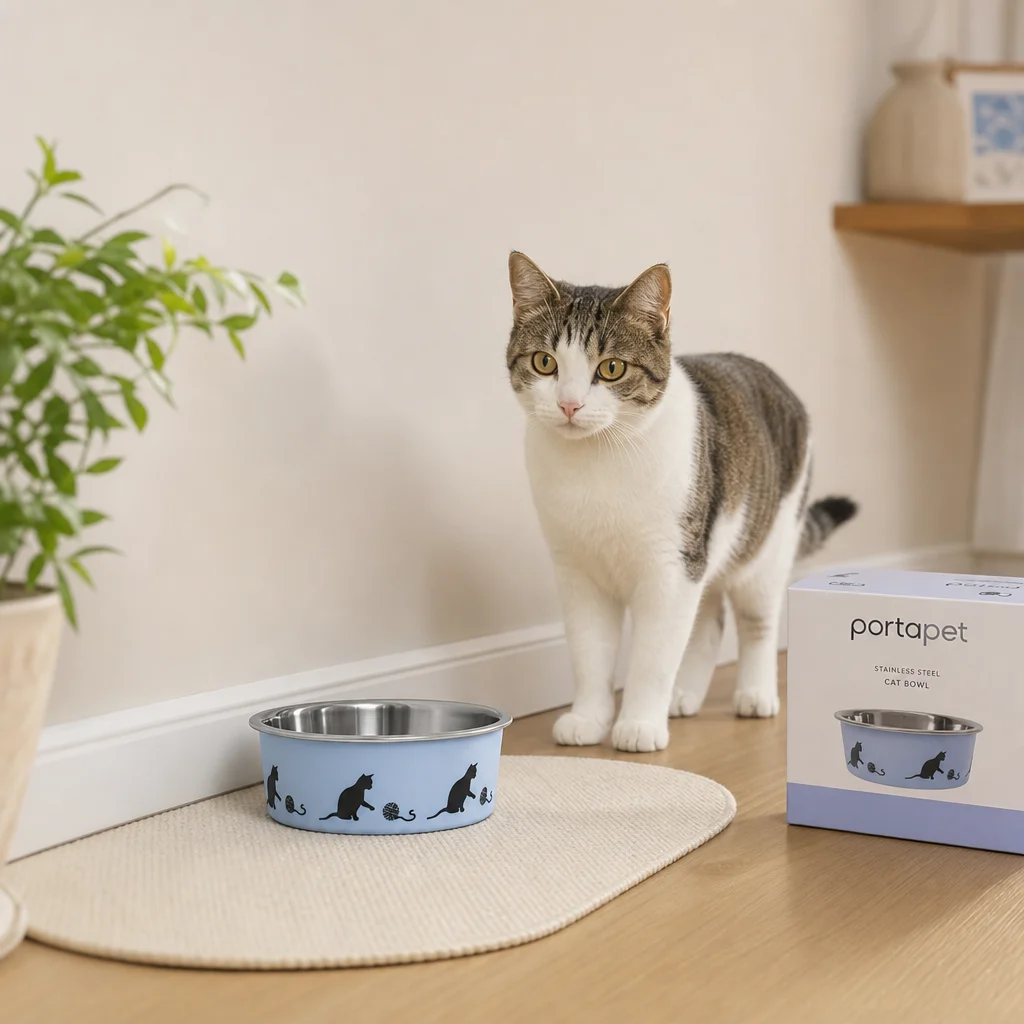
Ensure your cat’s feeding bowls are in a quiet, low-traffic area. Cats feel vulnerable when they eat, so keep them away from loud appliances or high-traffic hallways. Most importantly, never force-feed your cat; this creates a negative association with food and will only make the problem worse.
Long-Term Solutions for Picky Eaters
If your cat is a true gourmet who bores easily, consistency and quality are key. It is vital to understand the difference between complete and complementary food to ensure that even during finicky phases, your cat is receiving the essential vitamins and minerals they need to stay healthy.
- -19%
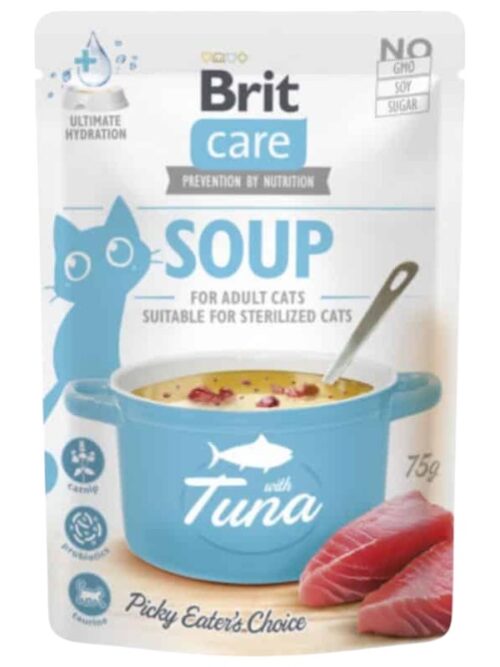
Original price was: 0,99 €.0,80 €Current price is: 0,80 €.

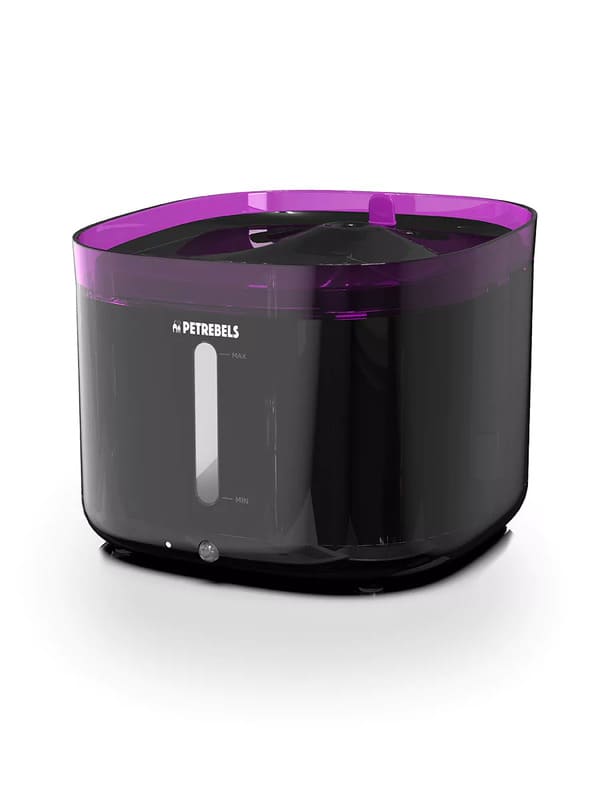
Hydration is equally important. Since many cats prefer moving water over a stagnant bowl, a water fountain can significantly improve their overall well-being and encourage a healthier metabolism. To keep them interested in their diet, you can also rotate between various healthy treats that provide a nutritional boost.

A sudden loss of appetite is always a signal that something is wrong. Whether it’s a simple case of environmental stress or a hidden health issue, prompt action is your best tool. If your home remedies don’t see results within a day, consult your veterinarian to ensure your cat gets back to their happy, hungry self.