

Cat Climbing Walls: Elevate Your Pet’s World with Vertical Living
Does your cat prefer surveying their kingdom from the top of a bookshelf or kitchen cabinet? If your living space is too small for a bulky floor-to-ceiling cat tree, a climbing wall offers a sophisticated solution. It satisfies your cat’s natural instinct for height while reclaiming your floor space and complementing your interior design.
The Benefits of Wall-Mounted Systems
Unlike traditional freestanding towers, climbing walls for cats don’t occupy valuable square footage. This is a game-changer for smaller apartments where floor space is at a premium. Beyond space-saving, a vertical playground creates a dedicated sanctuary for your pet. It provides a safe retreat from the hustle and bustle of a busy household and helps prevent boredom-related stress by keeping your cat physically active.
If you are still exploring your options, it is worth comparing wall-mounted solutions with traditional furniture. You can browse our full range of cat trees to see which fits your lifestyle best; many owners find that a combination of both provides the ultimate environment for their pets.
Designing an Adventure Trail with Shelves and Steps
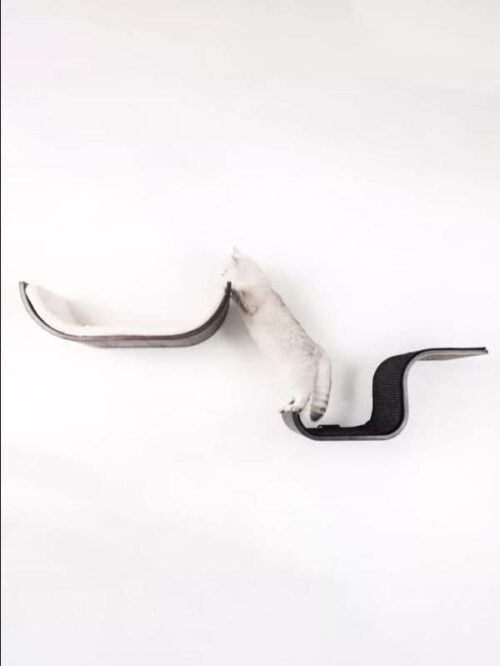
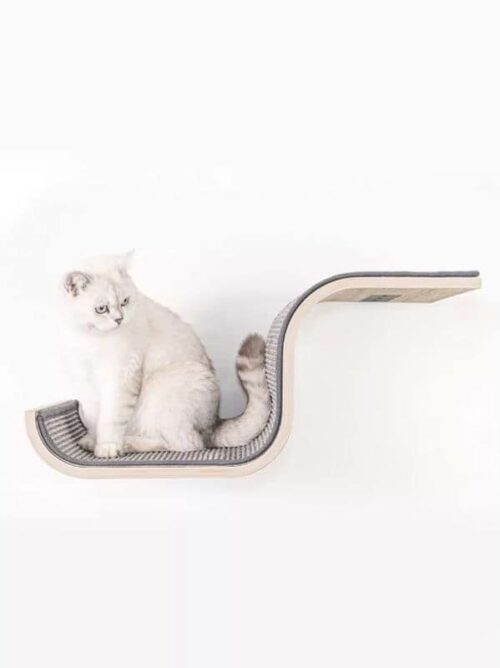
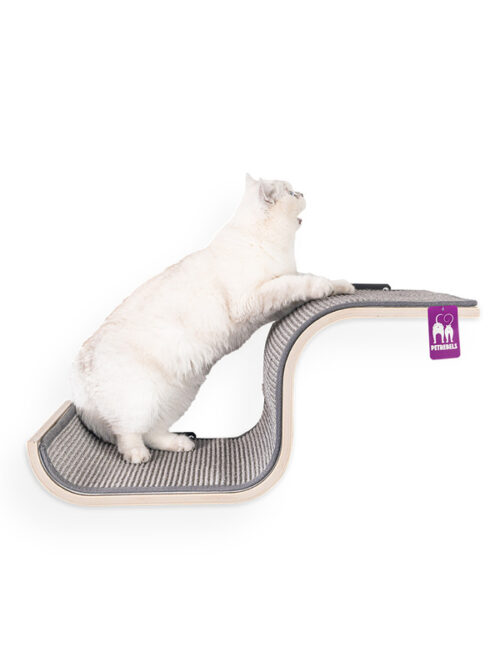
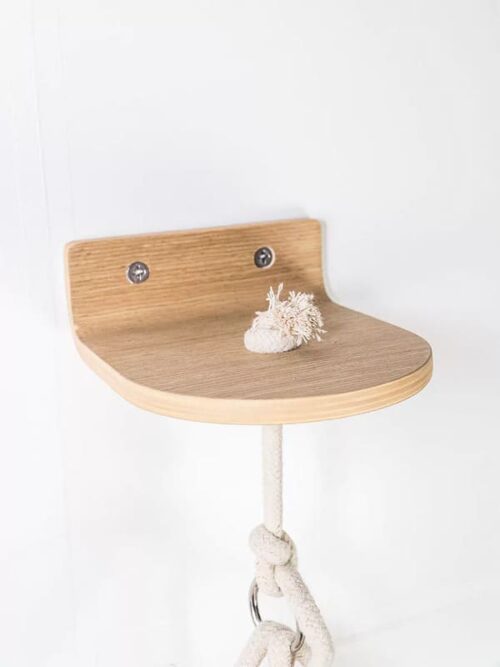
The foundation of any great climbing wall is a series of steps and shelves tailored to your cat’s agility and your available wall space. Options range from minimalist eucalyptus wood steps to ergonomic, concave shelves designed to cushion the impact of a landing. For those just starting out, the Step 25 set—which includes three 25 x 15 x 10 cm eucalyptus steps—is an ideal way to create a smooth transition from the floor to higher vantage points.
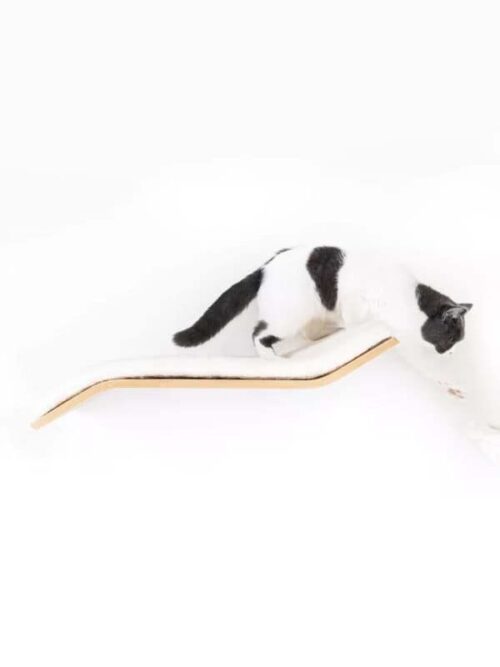
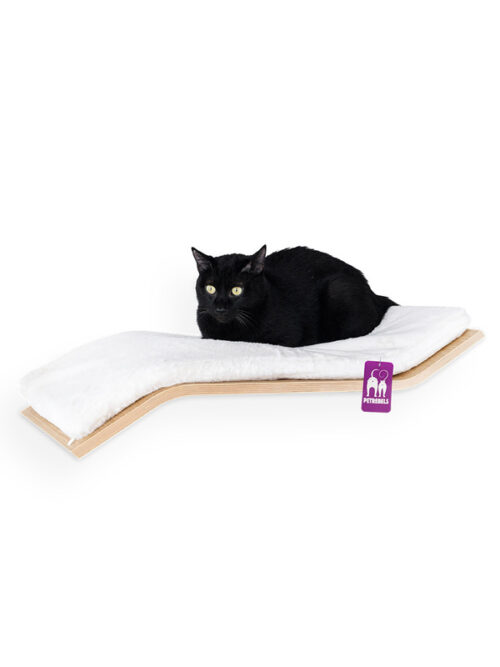
High-Altitude Rest Areas and Wall-Mounted Beds
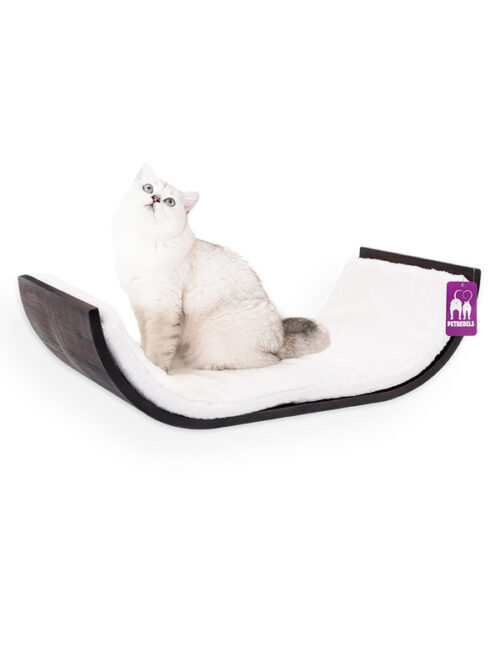
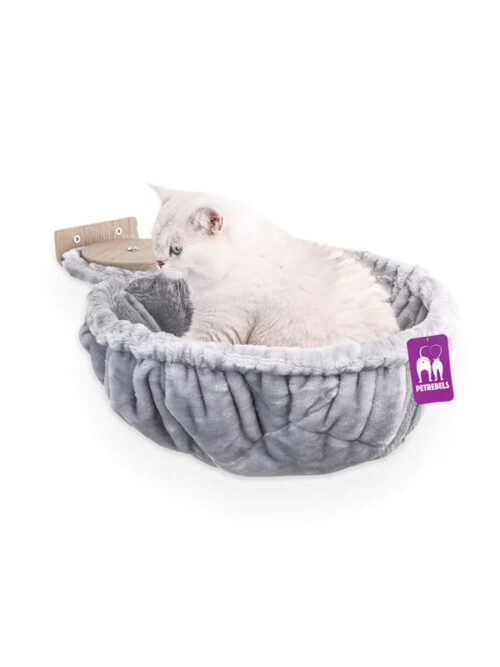
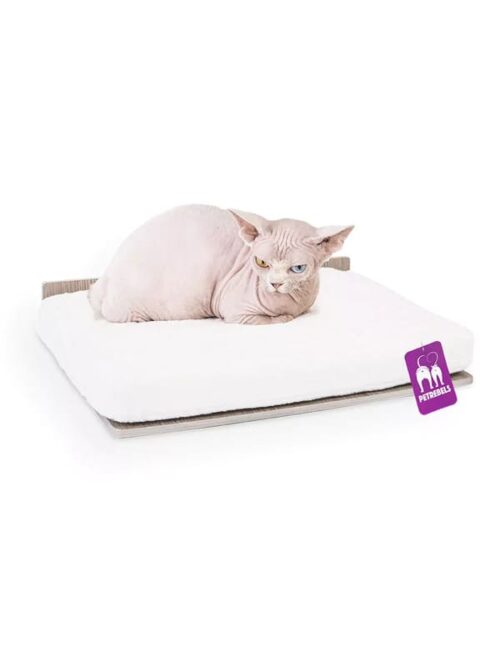
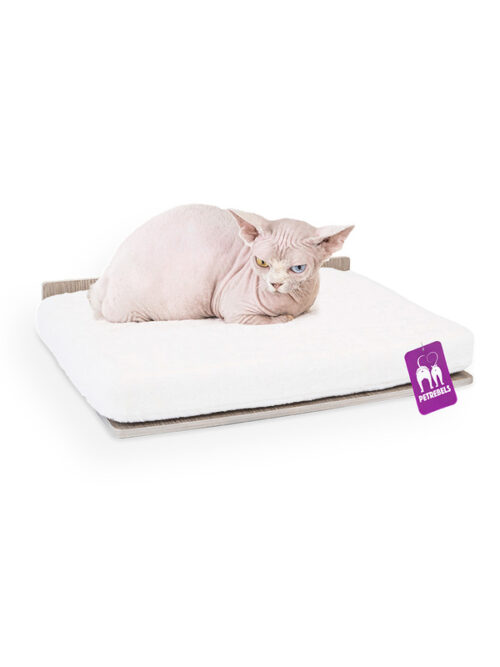
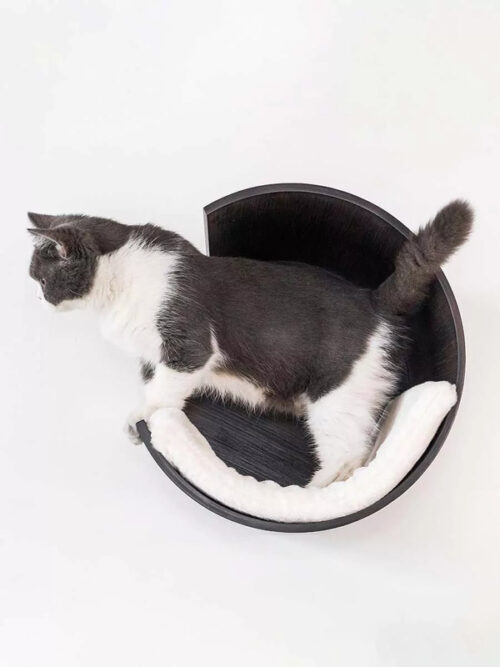
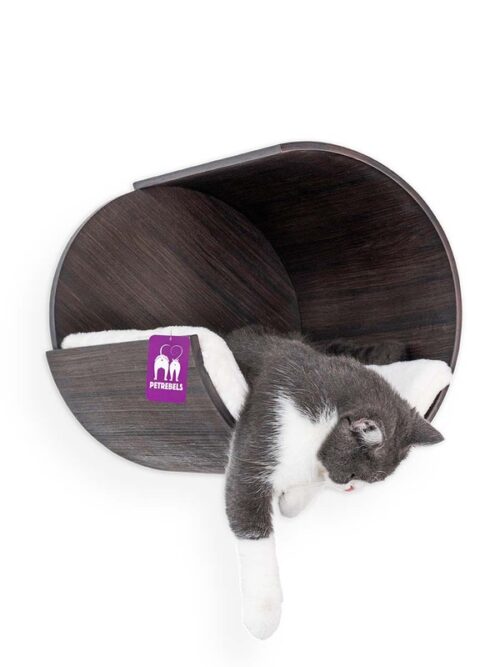
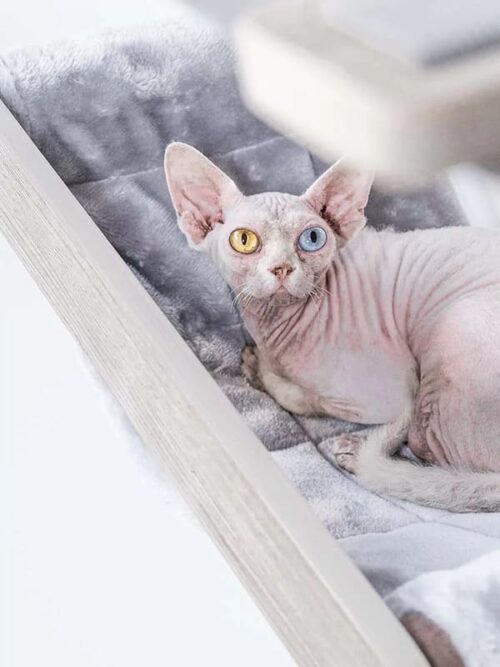
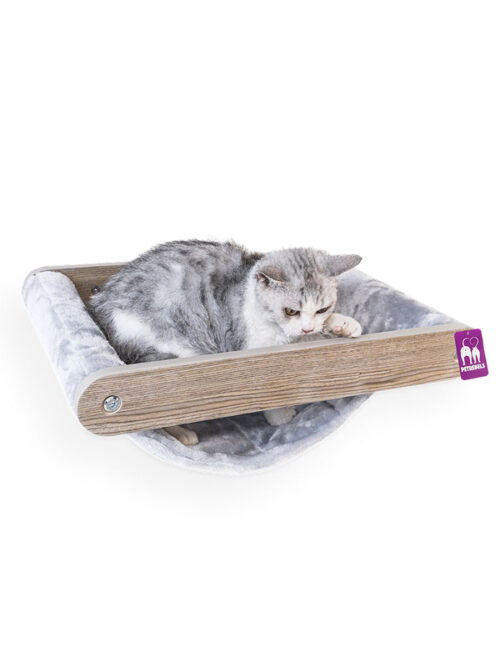
Climbing and jumping are high-energy activities, making a comfortable resting spot essential. Wall-mounted beds and hammocks are engineered to withstand the dynamic force of a cat landing mid-jump. Popular models like the Moon 40 or Lazy 50 offer a “weightless” feel with soft fleece surfaces that cats love. For larger breeds, more robust wall-mounted beds provide the stability and security needed for a deep, peaceful sleep.
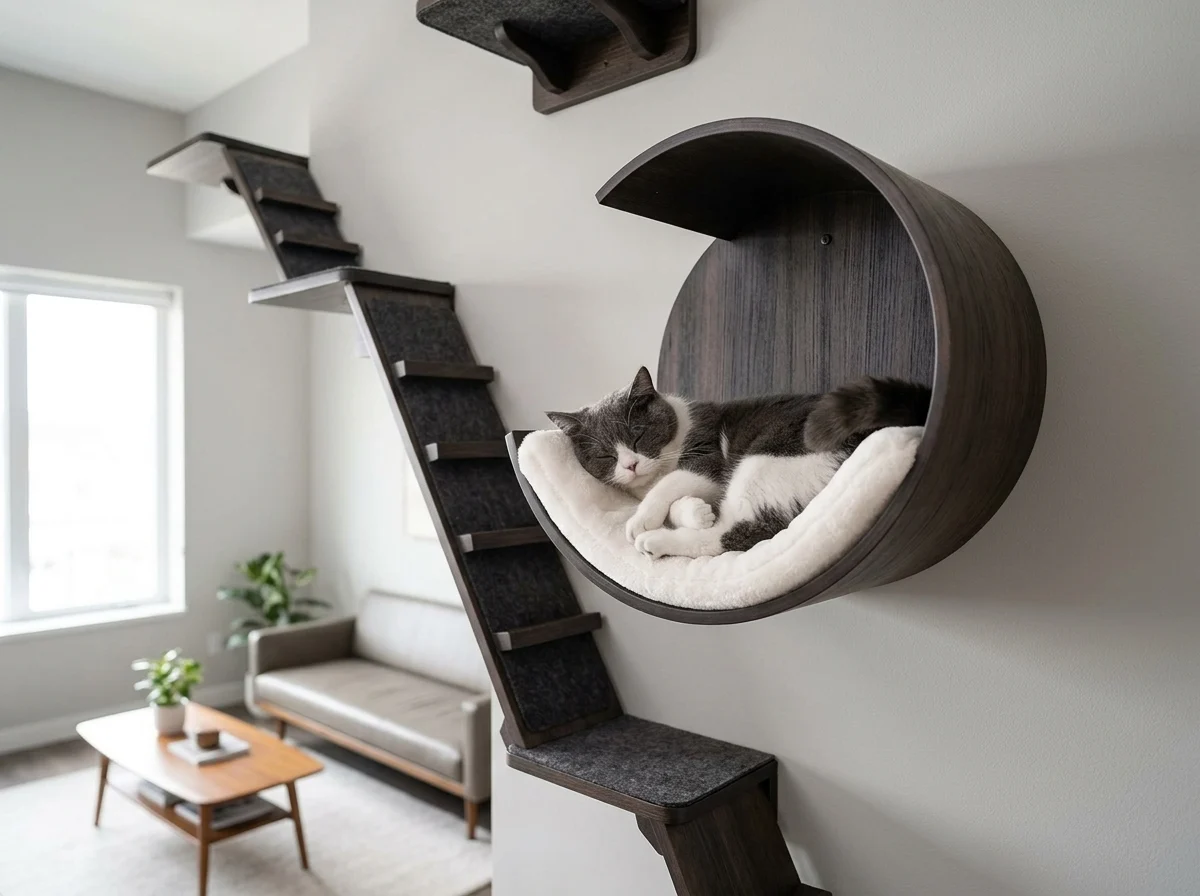
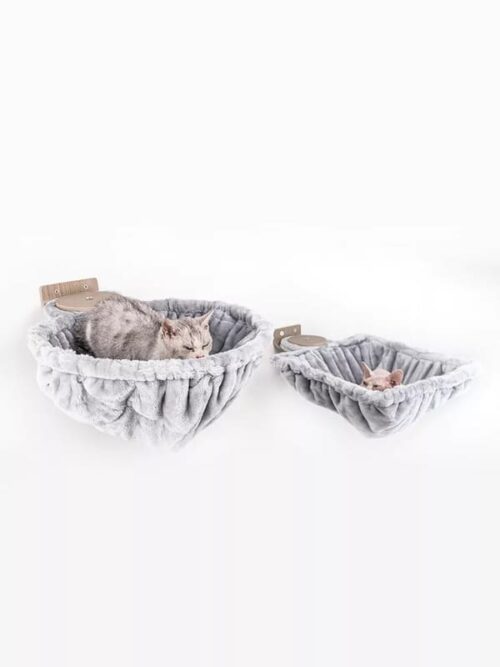
Bridges and Vertical Scratching Posts
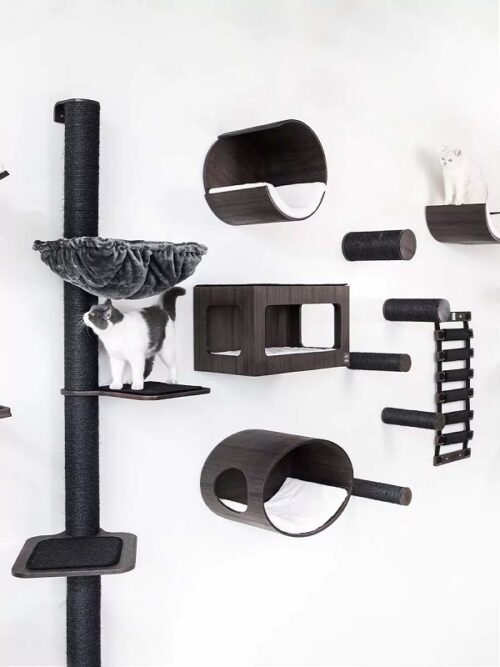
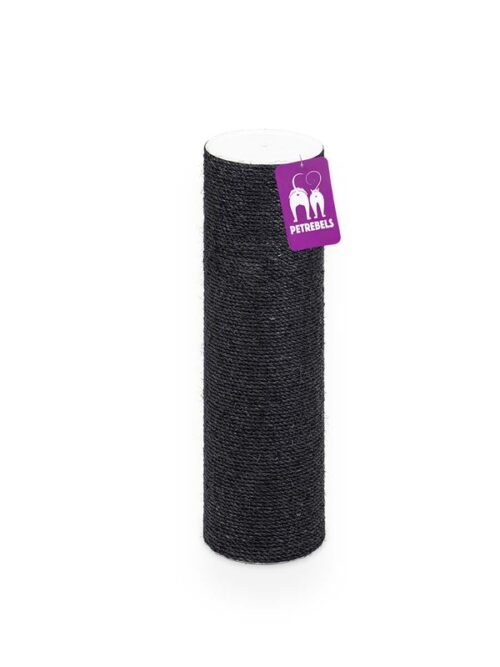
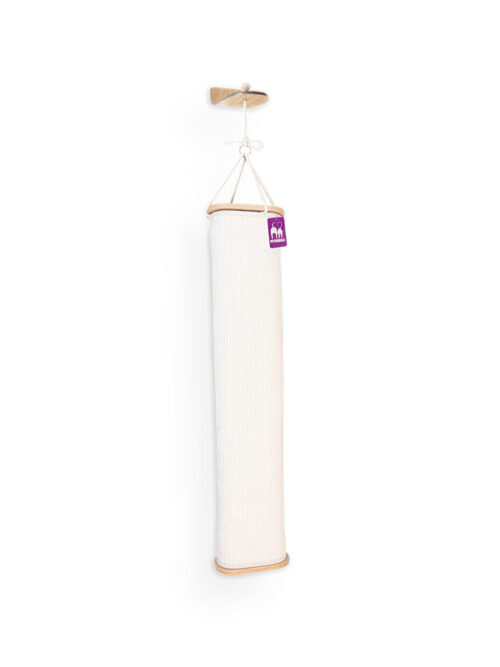
To turn a few shelves into a true feline obstacle course, consider adding elements that challenge your cat’s balance and fulfill their grooming needs. The Bridge 135 is an ingenious way to connect separate platforms, transforming your wall into a dynamic environment. Furthermore, vertical solutions like the sturdy Post 1250 scratching post are vital for protecting your furniture and wallpaper. These allow your cat to stretch to their full length and sharpen their claws in a natural, upright position.
Installation and Safety: Essential Tips
When planning your layout, safety is the top priority. A jumping cat can exert several times their body weight in force upon landing, meaning standard hardware isn’t always enough for every wall type.
- Secure Fastening: Always use specialized heavy-duty anchors for drywall, or better yet, secure the shelves directly into the wall studs.
- Optimal Spacing: To ensure safe and comfortable movement, aim for a distance of 30–45 cm between steps and shelves.
- Quality Materials: Look for components made from durable hardwoods like eucalyptus or oak, finished with wear-resistant sisal or high-quality fleece.
Before you begin, we recommend reading our comprehensive guide on how to choose a cat scratching tree to better understand your pet’s specific preferences. If wall mounting isn’t an option for your home, consider stable alternatives such as large cat trees or freestanding cat towers.
At MiuMjau, you’ll find stylish, high-quality components designed to blend seamlessly with your home decor. Build your unique climbing set today—every purchase helps support animals in Estonian shelters.