

How Much Should Your Cat Eat? A Complete Guide to Portion Control
Does your cat always seem to be begging for food, or are they a notoriously picky eater? Finding the right balance for your pet’s daily intake is a delicate task, but it’s one that directly impacts their health, energy levels, and overall longevity.
A cat’s daily nutritional requirement isn’t a static number. Instead, it’s a dynamic figure that fluctuates based on age, weight, activity level, and general health. While veterinary experts suggest a baseline of approximately 55–77 calories per kilogram of body weight for the average adult cat, this is only a starting point. To determine the perfect portion, you must consider your cat’s unique circumstances to prevent both malnutrition and obesity.
Life Stages and Feeding Frequency
The energy requirements of a growing kitten and a mature adult cat are worlds apart. Because kittens undergo rapid development, they require significantly more energy and nutrients per pound of body weight than adults. Their smaller stomachs also mean they need more frequent, smaller meals throughout the day to sustain their growth.
- Kittens up to 6 months: At this stage, kittens generally need at least three meals a day. Very young kittens (from 5 weeks old) should be fed 4–5 small meals daily, ideally starting with wet food or dry kibble softened with water.
- Cats aged 6–12 months: As growth begins to level off, you can gradually transition your cat to two meals per day.
- Adult and senior cats: Most adult cats thrive on a consistent schedule of two meals a day. However, it is vital to monitor your cat’s body condition and adjust portions if you notice any weight gain or loss.
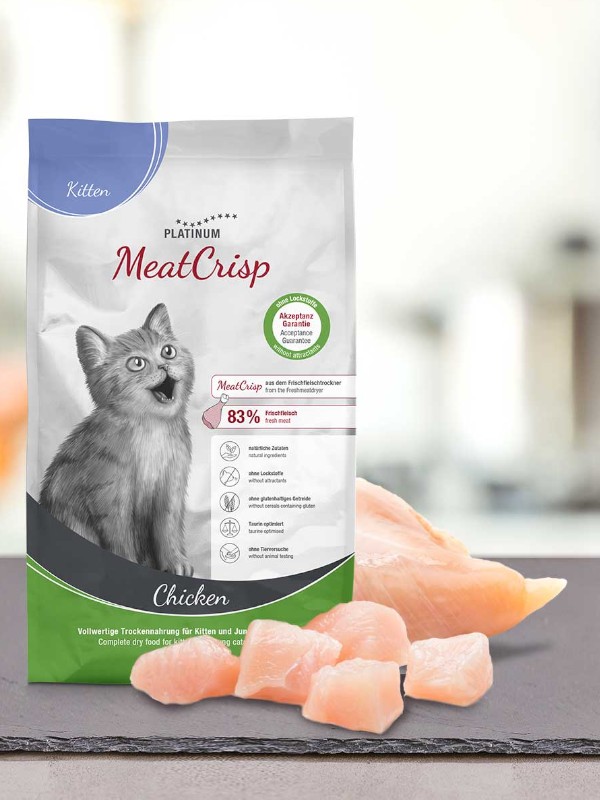
Activity and Lifestyle: Indoor vs. Outdoor Cats
A cat’s lifestyle is a major factor in how many calories they burn. An active cat that spends time outdoors or engages in vigorous play indoors needs protein-rich food to maintain healthy muscle mass. In contrast, indoor cats who spend most of their time napping are far more prone to weight gain, meaning their portions require stricter oversight.
Environmental stressors—such as a new family member or a move—can also affect a cat’s appetite and digestion. In these instances, specialized formulas containing calming ingredients can help maintain an optimal weight and support their well-being during transitions.
The Impact of Spaying and Neutering
A cat’s metabolism changes significantly following a spay or neuter procedure. Research indicates that a cat’s energy requirements can drop by as much as 30% after surgery. If you continue to feed them the same amount as before, they can quickly become overweight, placing unnecessary strain on their joints and internal organs.
Experts often recommend adjusting the standard energy requirement by a factor of 0.8 for sterilized cats. Reducing caloric intake helps prevent obesity and related health issues, such as urinary tract complications. Choosing a food specifically formulated for sterilized cats is a smart move, as these recipes are lower in fat but still packed with essential vitamins.
How Much is Enough?
While the feeding tables on pet food packaging provide a helpful baseline, they are guidelines rather than strict rules. Every cat is an individual, and the ideal portion depends on the specific product’s caloric density. For high-quality, nutrient-dense dry food, average daily portions often fall within these ranges:
- Cats 1.25–3 kg: 20–40 g per day.
- Cats 3–5 kg: 40–60 g per day.
- Cats 5–8 kg: 60–100 g per day.
For senior cats, it is important that the diet supports kidney health and provides enough fiber to aid digestion. If you notice your cat’s weight shifting, try adjusting their daily portion by about 10% and monitor their progress over a few weeks.
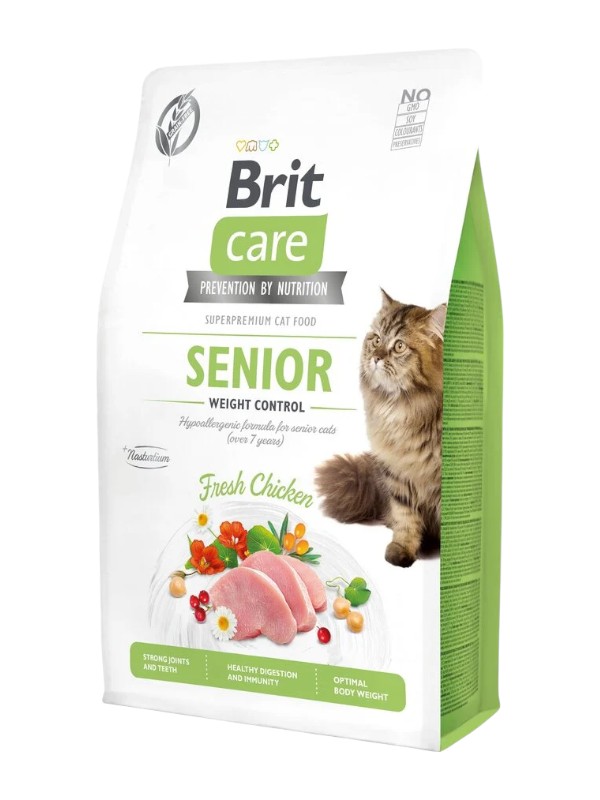
Wet Food vs. Dry Food: The Benefits of Combination Feeding
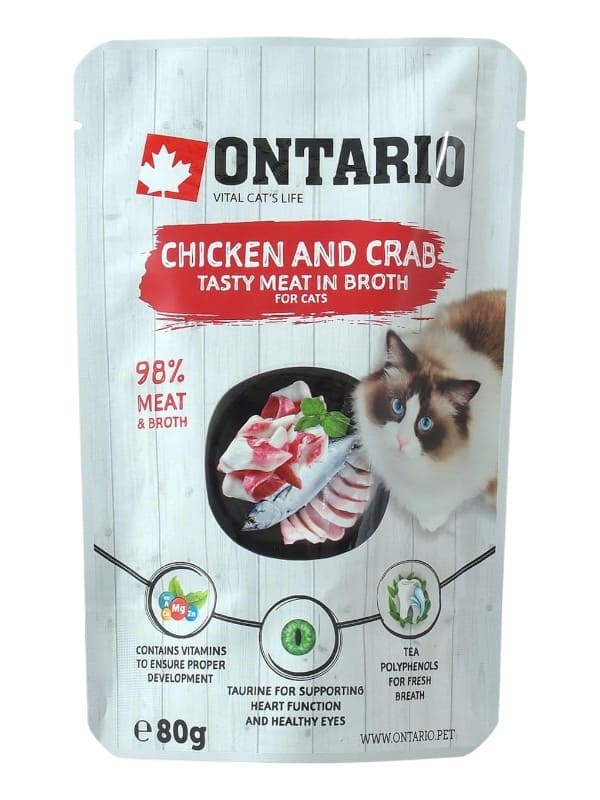
Many veterinarians advocate for combination feeding to give cats the “best of both worlds.” High-quality wet food provides essential hydration, which is vital for urinary tract and kidney health. Meanwhile, crunchy dry food is convenient and helps maintain dental health through mechanical scraping during chewing.
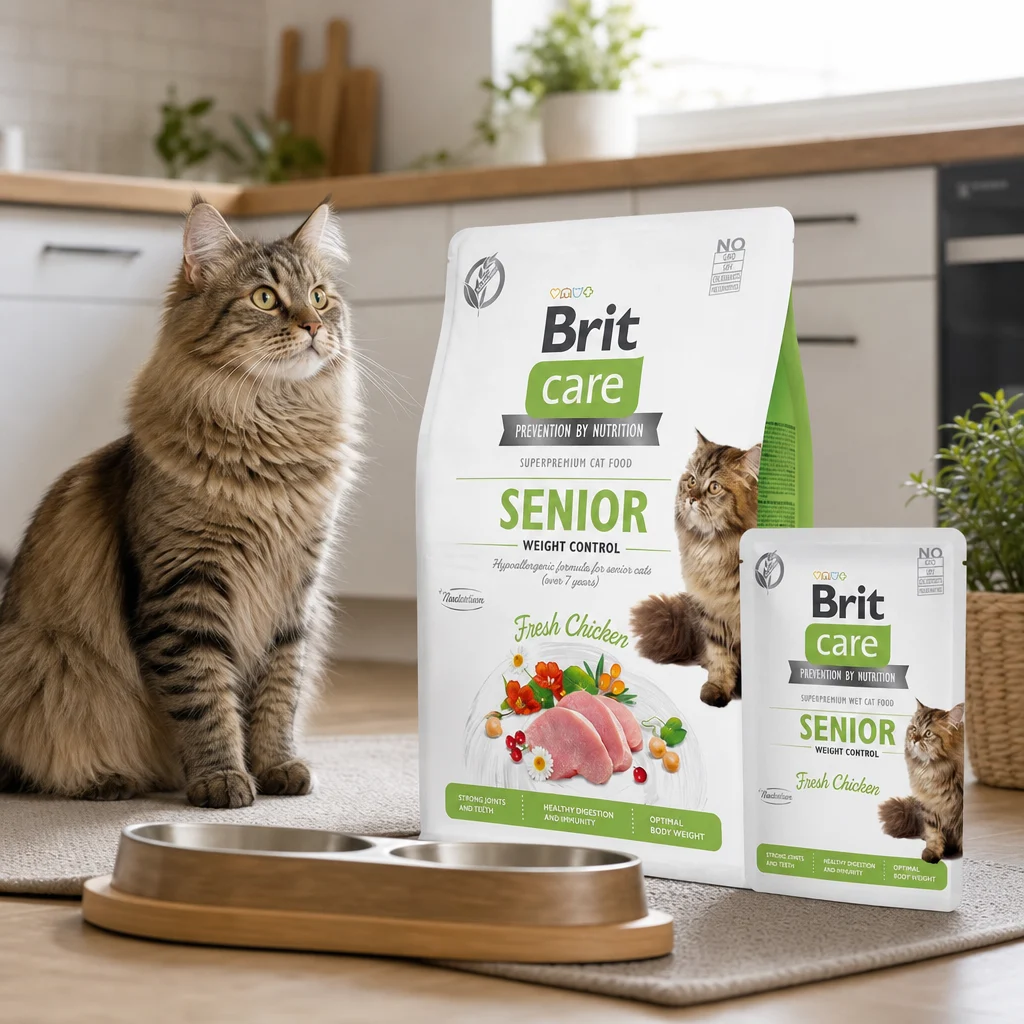
When planning their menu, it is crucial to understand the difference between “complete” and “complementary” food. Complete food contains every nutrient a cat needs in the correct proportions. Complementary food (such as many canned toppers, fillets, or soups) is intended as a treat or flavor booster and should not be the sole source of nutrition. You can learn more about the differences between complete and complementary food to ensure your cat is getting a balanced diet.
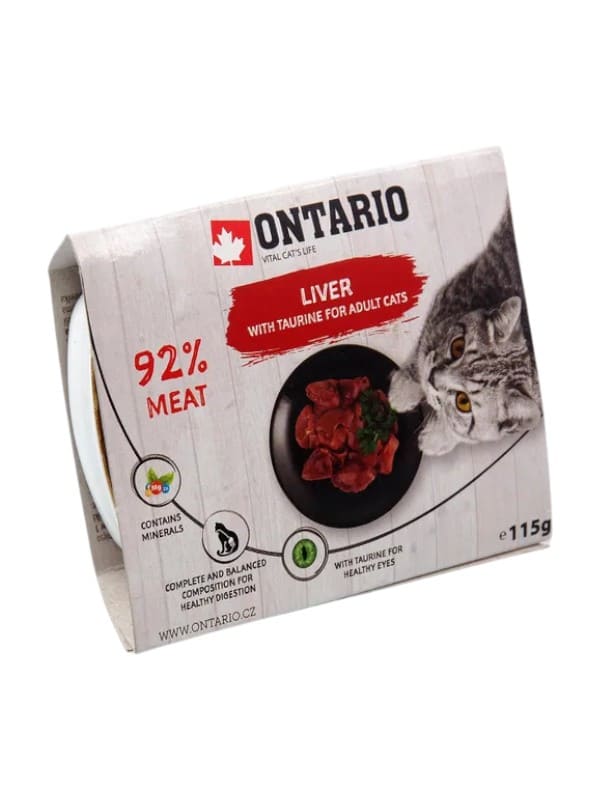
Treats and Supplements
While treats are a fantastic tool for bonding and rewarding good behavior, they should never make up more than 10% of your cat’s total daily calories. If you are using treats frequently for training, remember to reduce their main meals slightly to compensate for the extra calories. For example, when using Ontario treat sticks, an adult cat should typically receive no more than 1–2 sticks per day, depending on their size and overall activity.
Finding the perfect feeding routine requires observation and consistency. By keeping a close eye on your pet’s weight, coat quality, and energy levels, you can fine-tune their diet for a long and healthy life. If you’re looking for the best nutrition for your feline friend, explore our wide selection of cat foods to find a high-quality complete food today.