

Cat Grooming: How Often to Brush and What Tools to Use
While short-haired cats generally do well with a weekly brushing, long-haired varieties require daily upkeep. With the right tools, a gentle hand, and a watchful eye on your cat’s skin, routine grooming does far more than just keep furniture free of stray fur—it prevents painful mats, curbs hairballs, and supports overall wellbeing.
Quick Guide: Grooming Frequency and Tools by Coat Type
| Coat Type | Frequency | Primary Tool |
|---|---|---|
| Short-haired | At least once a week; more often during shedding season | Soft- or stiff-bristle brush, rubber curry brush |
| Medium or long coat | Daily, or at least every other day | Long-toothed metal comb, slicker brush as needed |
| Dense double coat (e.g., Maine Coon, Siberian) | Daily, with extra attention during shedding season | Metal comb, undercoat rake or comb |
| Senior or overweight cat | Tailored to coat type, with daily checks in hard-to-reach areas | Soft-bristle brush, gentle wide-toothed comb |
How Often to Brush Your Cat
Cats are famous for their fastidious self-grooming, but their tongues cannot do the job alone. As veterinary experts at VCA Animal Hospitals point out, regular brushing clears away loose hair and dead skin cells while evenly distributing the natural oils that keep the coat healthy and glossy.
Short-haired cats thrive with a dedicated brushing session once or twice a week, as recommended by animal welfare groups like Cats Protection, Blue Cross, and the ASPCA.
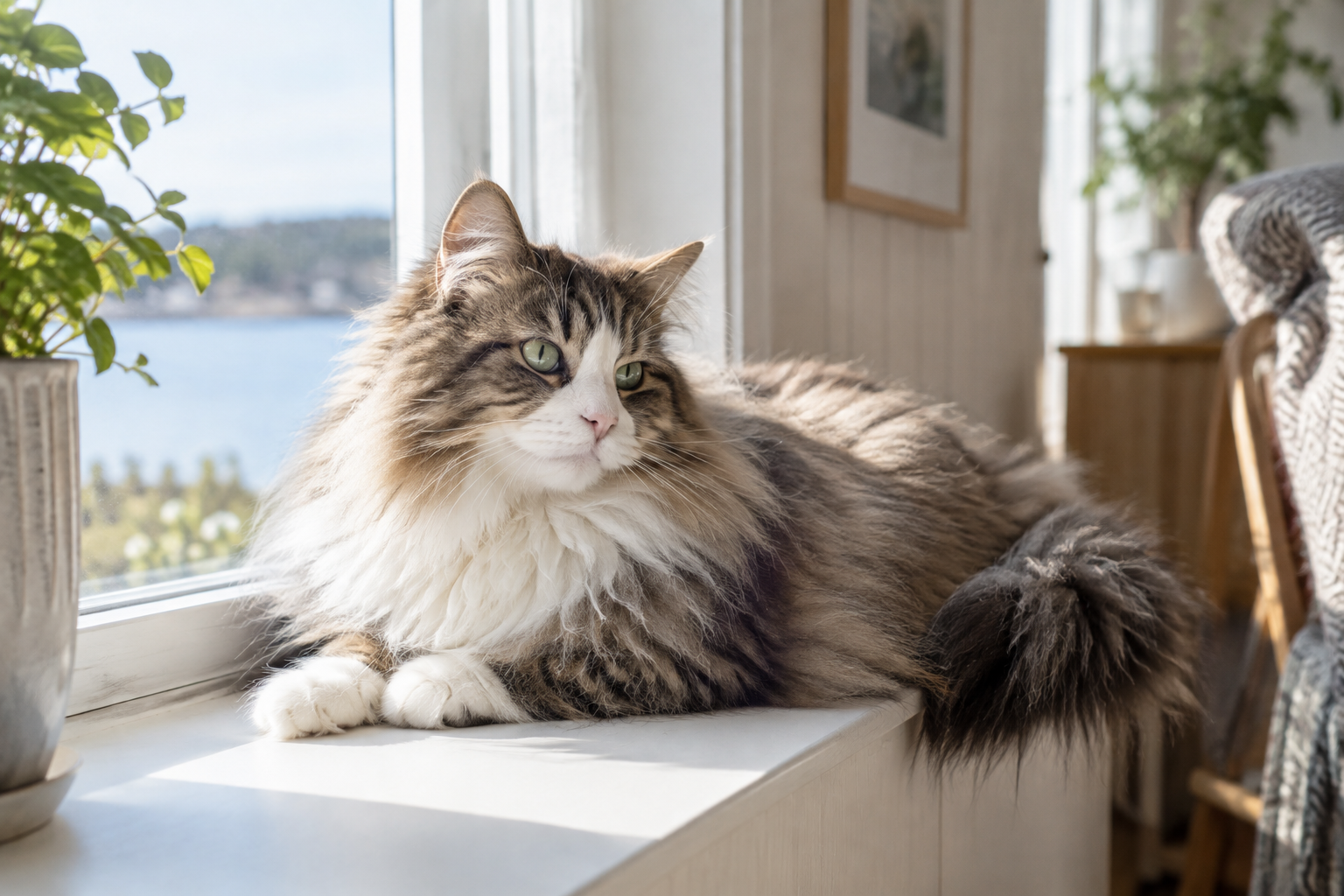
Long-haired cats need daily attention. The ASPCA defines long-haired cats as those with coats measuring two inches (about five centimeters) or longer. Fur of this length tangles quickly, meaning many long-haired breeds benefit from a focused 15-minute grooming session every single day.
Mats and tangles take hold fastest in friction-prone friction spots: behind the ears, deep in the armpits, and along the backs of the thighs. Always check these sensitive zones first.
Choosing the Right Brush or Comb
Grooming tools should always be tailored to your cat’s specific fur type and density. Key guidelines from veterinary professionals include:
- Stiff-bristle brushes easily sweep away dead hair on short-haired cats or those with minimal undercoats. The ASPCA notes that flexible rubber grooming brushes are also exceptionally good at lifting loose fur from sleek coats.
- Long-toothed metal combs (especially those featuring alternating tooth lengths) glide through medium and long coats to tease apart subtle knots before they worsen.
- Slicker brushes, equipped with fine wire pins, capture loose topcoat hair and work through minor snarls. The RSPCA frequently recommends them for long-haired cats.
- Undercoat rakes are built specifically to penetrate dense double coats. Veterinary groomers caution against using them on single-coated cats, as the blades can inadvertently strip out healthy topcoat.
- Deshedding tools feature specialized fine-toothed edges designed to pull out dead undercoat. Because they are not meant for everyday brushing, use them strictly according to manufacturer directions on dry, completely tangle-free fur. Usage recommendations vary: while some manufacturers suggest 10- to 20-minute sessions once or twice weekly, professional groomers often advise limiting them to once a month or every other month. Start conservatively and monitor your cat’s skin closely for any redness.
A golden rule of grooming: always finish by running a metal comb through the coat. While a brush can glide smoothly over the surface, a metal comb reaches all the way down to the skin, catching hidden mats right where they start.
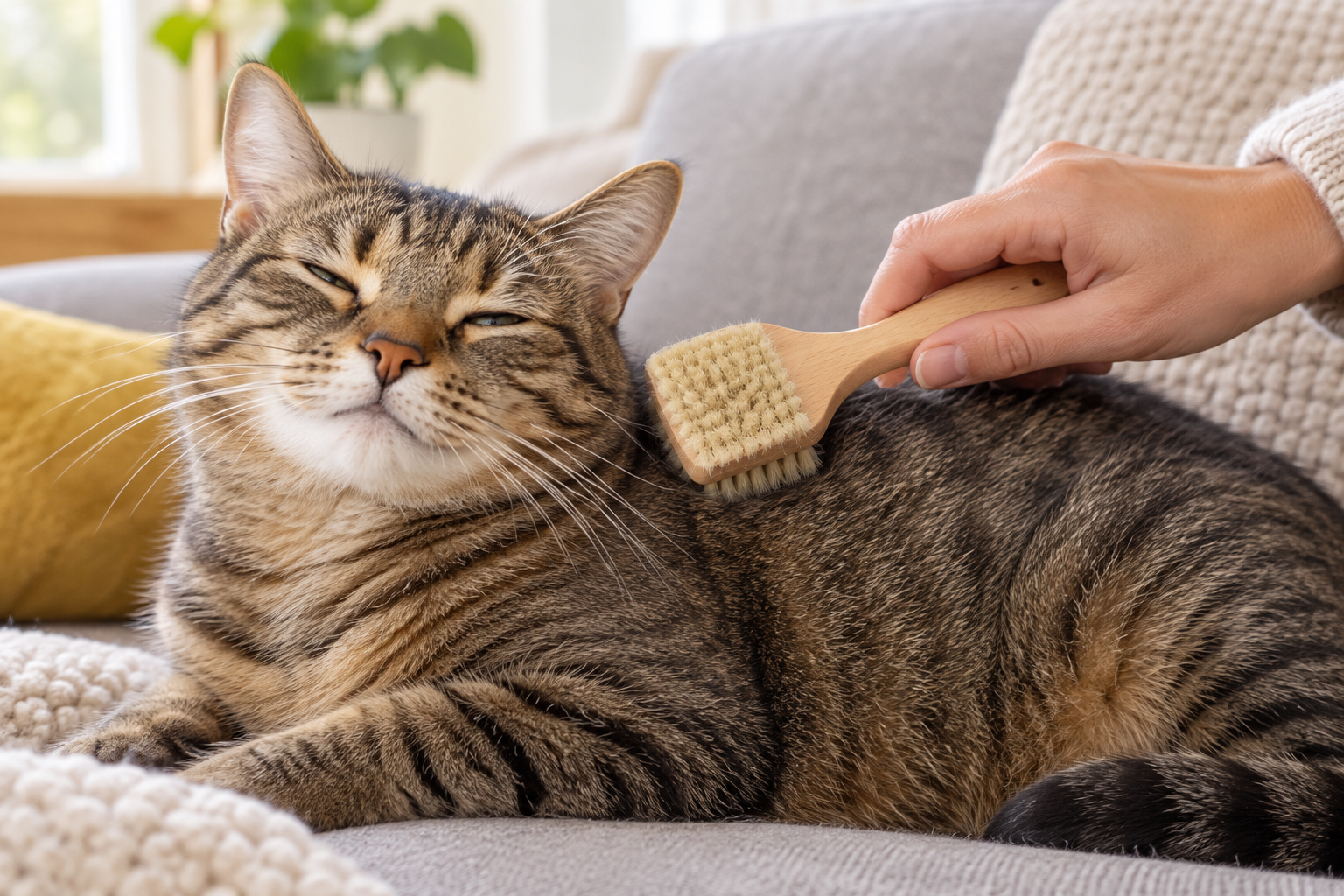
For low-stress daily maintenance, a wooden brush with natural bristles is a wonderful staple. It is gentle on sensitive skin while sweeping away surface dust and loose hairs.
How to Brush Your Cat: Step-by-Step
- Pick the right moment. Start when your cat is calm and content—such as right after a meal or a vigorous play session. Keep initial sessions short.
- Work with the grain. Brush in the direction of hair growth, working methodically section by section from head to tail. The ASPCA recommends gently working across the chest and abdomen as well.
- Care for the tail. For long-haired cats, gently part the tail fur down the center and brush outward through each side.
- Comb through to check your work. Finish with a metal comb to locate any hidden tangles before they develop into dense mats.
- Respect boundaries. If your cat stiffens, swishes their tail, pulls away, or tries to leave, stop immediately. Build up duration gradually over time.
International Cat Care emphasizes that cats must never be held down or forced through grooming; they should always feel in control and able to step away. Starting early with kittens makes all the difference, helping them associate brushes with quiet affection and treats.
For short-haired cats, routine brushing is also your best defense against parasites. Cats Protection advises running a fine-toothed flea comb through the fur to check for flea dirt—tiny black specks that dissolve into reddish-brown rings when placed on a damp white tissue.
Seasonal Shedding: How to Help Your Cat
Cats shed year-round, but seasonal shifts trigger noticeable spikes. According to VCA, cats exposed to outdoor temperature swings typically experience two heavy shedding cycles: one in late spring as they drop their winter coat, and another in late autumn. Indoor cats, cushioned by artificial lighting and central heating, tend to shed at a more consistent rate throughout the year.
If you live in an area with four distinct seasons, step up brushing sessions for outdoor cats during spring and autumn. For indoor cats, simply monitor the amount of fur gathering on your brush and increase grooming frequency whenever you notice extra shedding.
Stepping up your routine protects more than your carpets. The Cornell Feline Health Center notes that hairball production rises during peak shedding periods, making daily brushing and combing essential. While coughing up a hairball every week or two is generally considered normal, consult your vet if your cat gags persistently, becomes lethargic, or refuses food for more than 24 hours.
While specialized lint rollers and upholstery brushes keep your home tidy, regular brushing remains the best way to intercept hair before your cat swallows it.

Dealing with Mats: Dos and Don’ts
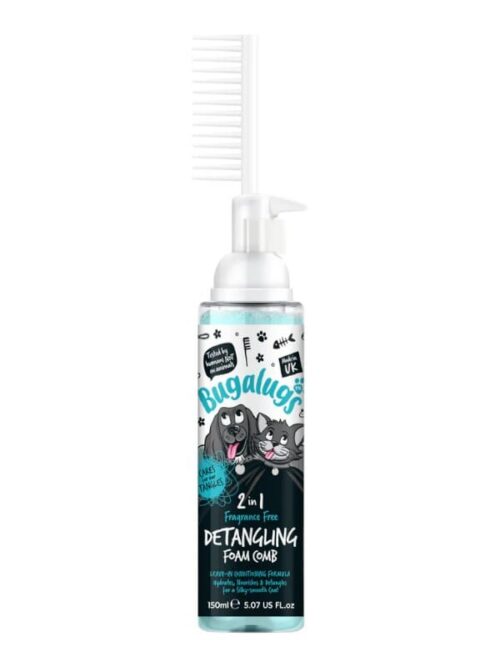
Small, loose tangles can often be teased out using your fingers and a wide-toothed comb. PetMD suggests working from the outer edges of the knot inward toward the skin using short, gentle strokes. A detangling spray or leave-in conditioning foam helps soften stubborn fibers. Always grip the fur firmly near the root to prevent pulling directly on the skin.
Never cut out mats with scissors. VCA warns that mats sit flush against the skin, and feline skin is paper-thin and easily caught in scissor blades, leading to severe lacerations. Instead, use purpose-built dematting splitters that slice through knots safely. If a mat is rock-hard, expansive, flat against the skin, or located in sensitive folds like the groin or armpits, leave it to a professional groomer or veterinarian. Cats Protection notes that severe, extensive pelting often requires removal under veterinary sedation.
Similarly, never attempt to drag a regular brush, rake, or deshedding blade forcefully through a mat. The tension pulls the skin taut, which can easily cause painful tears.
Aging cats often develop changes in skin sebum that lead to mats even on short coats—most commonly around the base of the tail and along the lower back. PetMD highlights this as an important reason to inspect senior cats’ coats with extra vigilance.
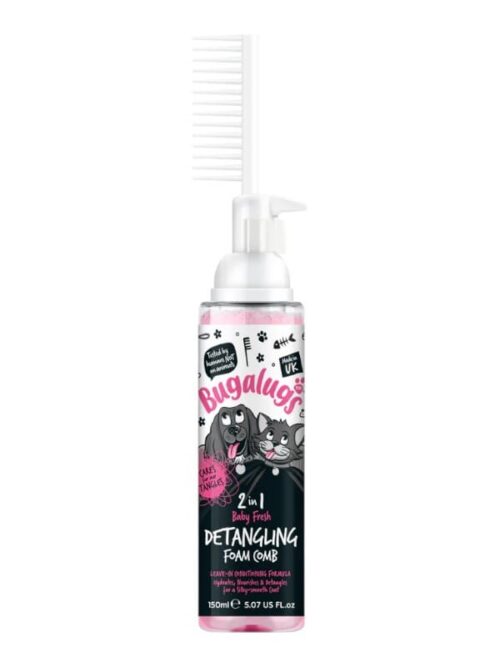
For minor knots, a rinse-free detangling foam comb can condition the fur and ease tangles apart in a single gentle pass.
Do Cats Need Baths or Shaving?
Bathing. According to VCA, most healthy adult cats rarely, if ever, require a full bath. Water baths are generally reserved for cats unable to groom themselves due to arthritis or obesity, or situations where a cat has gotten into something sticky, toxic, or foul-smelling. If a bath is necessary, the ASPCA recommends combing out all knots beforehand or clipping them away with pet trimmers—never scissors.
Always reach for a cat-specific shampoo. Human skin has an acidic pH of 5.2 to 6.2, while feline skin sits much closer to neutral at 6.2 to 7.5. Human products strip the protective lipid layer of a cat’s skin, leading to dryness and irritation. If your cat is terrified of water, a waterless foam shampoo offers a stress-free compromise: simply massage it through dry fur and comb it clean. For cats with sensitive or reactive skin, probiotic shampoo-conditioners can help soothe and rebalance the coat.


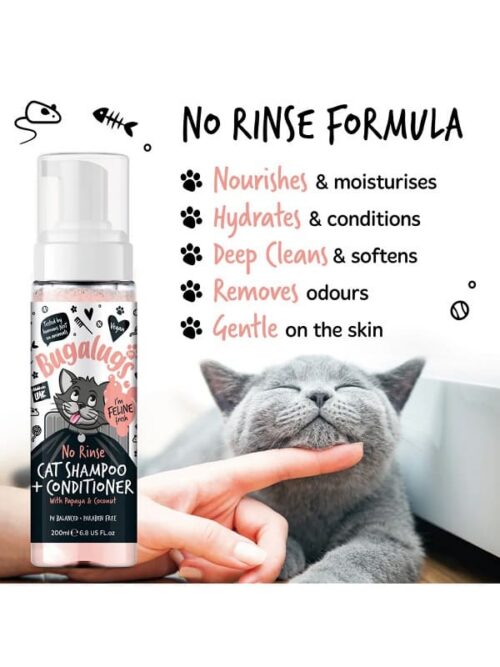

Shaving. Shaving a cat to keep them cool in summer is unnecessary and often counterproductive. A cat’s coat acts as thermal insulation against both heat and cold while protecting delicate skin from sunburn; shaving can actually raise the risk of heatstroke. Shaving should be reserved strictly for veterinary necessities, such as severe pelted matting or topical medical treatments, and should always be performed by a veterinarian or certified groomer.
When Coat Changes Signal a Health Issue
Changes in coat quality or grooming behavior are often among the earliest indicators that a cat is unwell. Reach out to your veterinarian if you observe:
- A dull, greasy, or thinning coat with heavy dandruff. VCA notes that these symptoms often point to dietary deficiencies, allergies, external parasites, or underlying systemic illness. If a poor coat rebounds immediately after bathing or grooming, a veterinary workup is warranted.
- Distinct bald spots or patchy hair loss. Sudden thinning that goes beyond normal seasonal shedding can stem from fleas, ringworm, or endocrine conditions.
- Compulsive licking or over-grooming. International Cat Care notes that barbering (over-grooming) leaves behind blunt, broken stubble, whereas true alopecia leaves smooth, unbroken bare skin. Common triggers include localized joint or abdominal pain, itchy skin conditions, and chronic stress.
- A sudden stop in self-grooming. In older or overweight cats, spinal stiffness and arthritic joint pain make turning around to groom difficult or unbearable. If an unkempt coat is paired with hiding, reluctance to jump, or a reduced appetite, book a vet visit promptly.
Nutrition has a direct impact on skin and fur health. To learn more about supporting your cat from the inside out, check out our guide on when cats need dietary supplements. Quality malt paste can also help hairballs pass safely through the digestive tract, though frequent vomiting always warrants professional medical advice.

Grooming sessions are also an ideal opportunity for an overall wellness check. You can easily pair coat brushing with a quick mouth check—explore our guide on cleaning your cat’s teeth at home to build a well-rounded home care routine.
First Step: 5 Minutes Tonight
Grab a brush or comb suited to your cat’s coat, get comfortable, and spend five quiet minutes grooming, starting right where your cat loves to be scratched most. Follow up with a metal comb to check down to the skin. If you uncover tight mats, inflamed patches, or thinning fur from over-grooming, take note and give your vet a call. You can find quality brushes and coat care essentials in the MiuMjau product range.