

Why Your Dog Won’t Eat: 7 Common Causes and Expert Tips
It is always concerning when a normally enthusiastic eater suddenly turns their nose up at their bowl. A loss of appetite—clinically known as anorexia—can be a signal of anything from minor pickiness to a serious underlying health condition. Understanding the root cause is the first step in helping your pet rediscover their love for mealtime.
Understanding Why Your Dog Is Refusing Food
A dog’s appetite is one of the most reliable barometers of their overall well-being. If your dog isn’t eating, the cause could range from simple behavioral preferences to medical emergencies that require immediate veterinary attention.
1. Medical Conditions and Physical Pain
The most frequent reason for a sudden drop in appetite is physical discomfort. Because dogs cannot verbally communicate their pain, they often express it through behavioral changes like refusing food.
- Dental Issues: Broken teeth, gingivitis, or painful mouth ulcers can make the act of chewing agonizing.
- Digestive Distress: Acute diarrhea, constipation, or a gastrointestinal blockage caused by a swallowed foreign object can quickly kill a dog’s desire to eat.
- Systemic Illness: Loss of appetite is often the primary symptom of more serious conditions, including kidney failure, liver disease, pancreatitis, or severe infections.
- Mobility Issues and Joint Pain: In senior dogs, arthritis can make the physical act of bending down to a floor-level bowl painful, leading them to skip meals to avoid discomfort.
2. Stress and Environmental Changes
Dogs are creatures of habit, and their emotional state is closely tied to their eating patterns. Much like how a cat may stop eating due to stress, a dog’s appetite can be disrupted by moving to a new home, the arrival of a new family member or pet, traveling, or even loud noises like construction or thunderstorms. Mental stimulation is also vital; boredom and separation anxiety are common contributors to a decreased appetite.
3. Food Quality and Palatability
Before assuming the worst, inspect the food itself. It may have gone rancid, developed mold, or simply passed its expiration date. Occasionally, manufacturers update their recipes, and your dog may be wary of the new scent or texture. It is also essential to understand the difference between complete and complementary food. Feeding only complementary foods can lead to nutritional deficiencies over time, which may eventually affect your dog’s health and appetite.
4. Side Effects from Medications or Vaccinations
If your dog has recently had a check-up that involved vaccinations or has started a new medication, a temporary loss of appetite is common. Nausea and lethargy are known side effects of many antibiotics and pain relievers; these symptoms typically resolve within 24 to 48 hours.
Practical Strategies to Encourage Your Dog to Eat
Once you have ruled out an acute medical emergency, you can use several methods to make mealtime more enticing.
Enhance the Aroma and Temperature
A dog’s sense of smell is their primary driver for eating. Warming up food helps release fat molecules and aromas that stimulate the appetite. Try adding a splash of warm water or low-sodium, dog-safe broth to dry kibble. Mixing in a high-quality wet food or a meat-rich pâté can also make a dry meal significantly more appealing.
- -16%
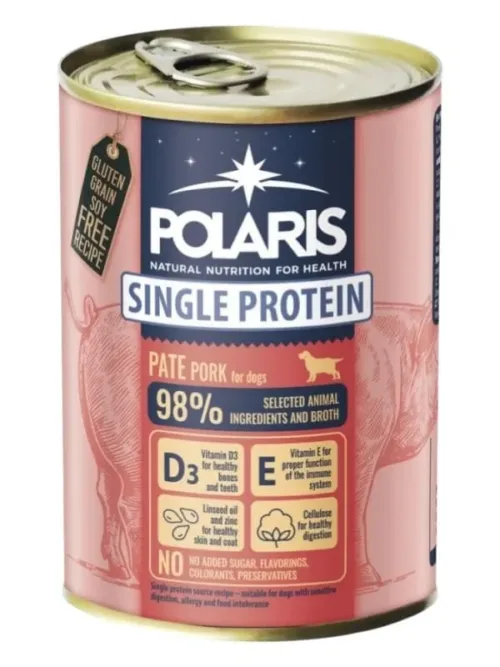
Original price was: 17,90 €.15,00 €Current price is: 15,00 €.

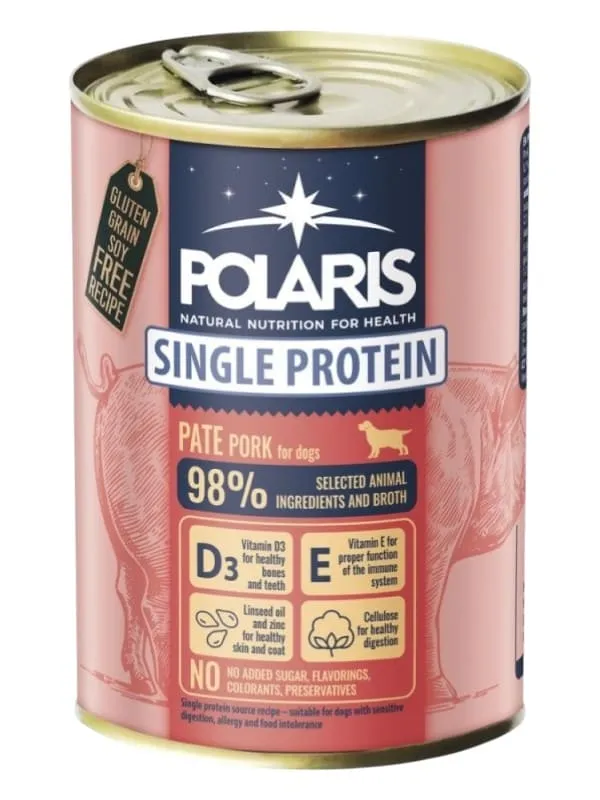
Introduce New Textures
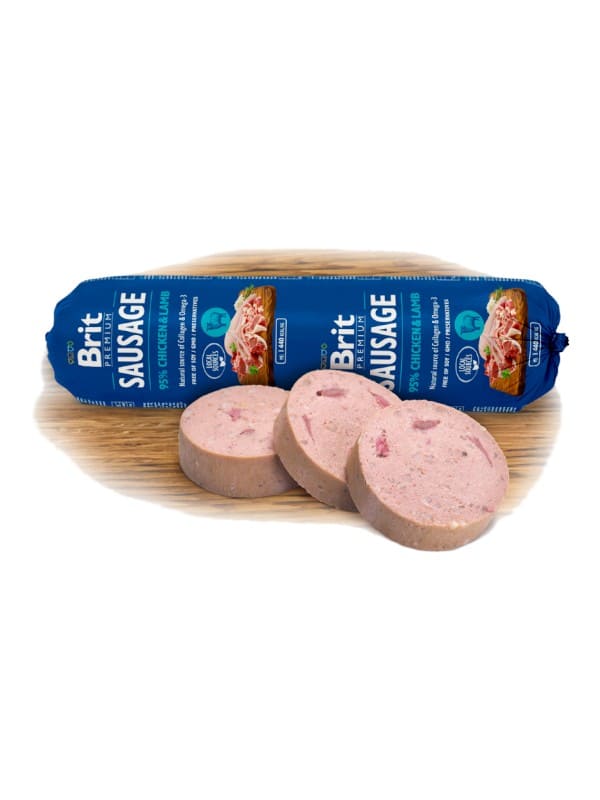
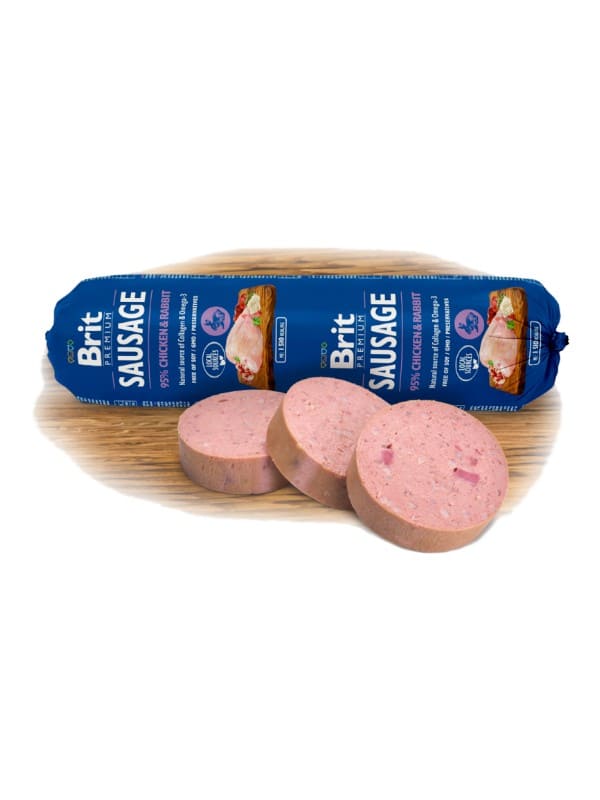
Sometimes, a dog simply gets bored with the same texture every day. If your pet usually eats dry kibble, introducing juicy wet dog food or a meat-rich dog sausage can provide the variety they crave. Softer foods are also much easier for dogs with mild dental sensitivity to consume.
Use Nutritious Food Toppers
Natural oils can boost the flavor profile of a meal while providing essential health benefits. For example, Ibero salmon oil is packed with Omega-3 fatty acids (EPA and DHA), which act as natural anti-inflammatories and support skin, coat, and joint health.
Try Interactive Feeding and Enrichment
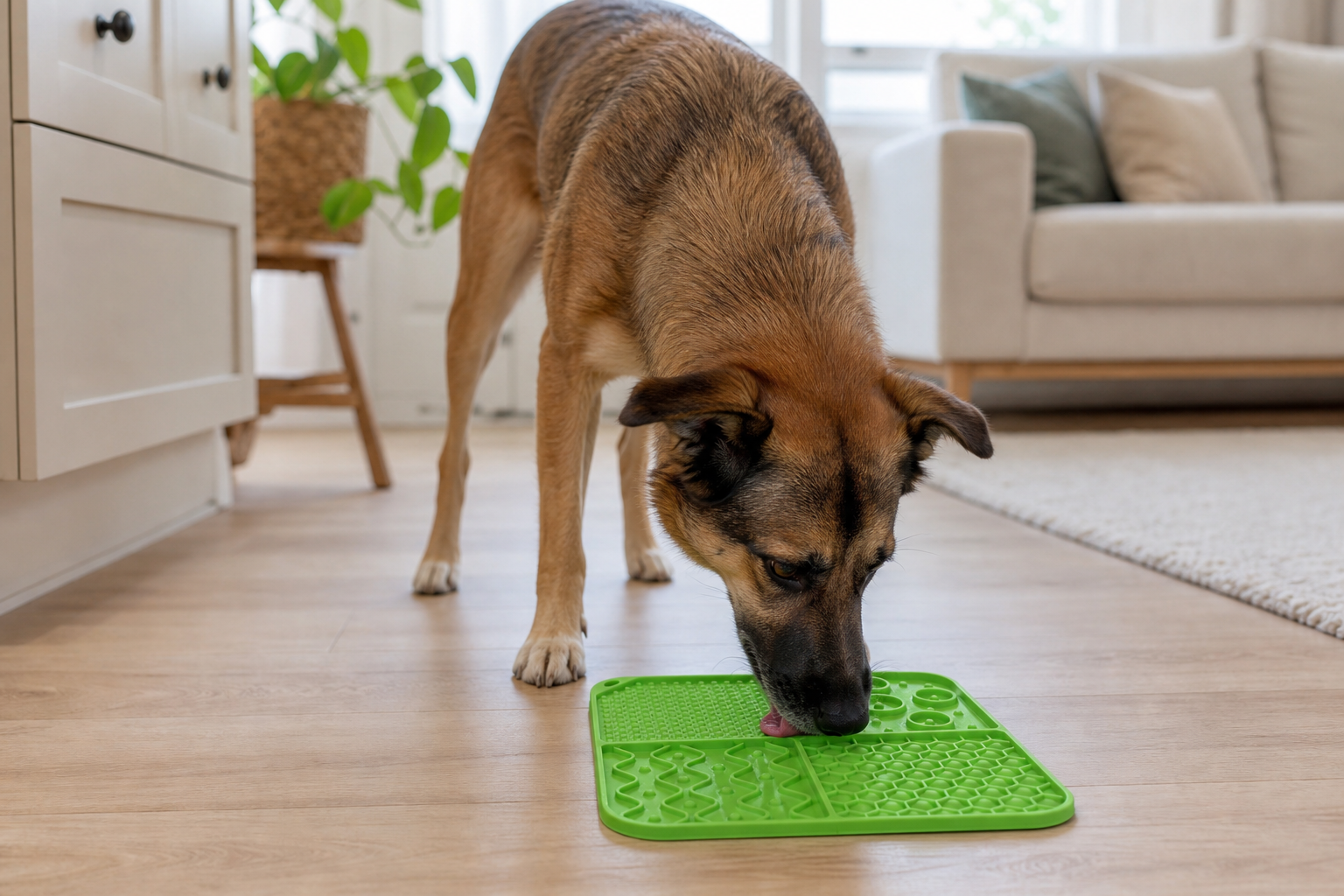
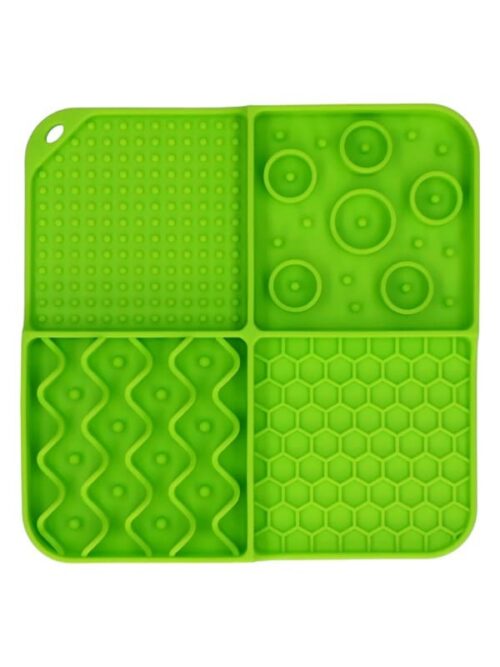
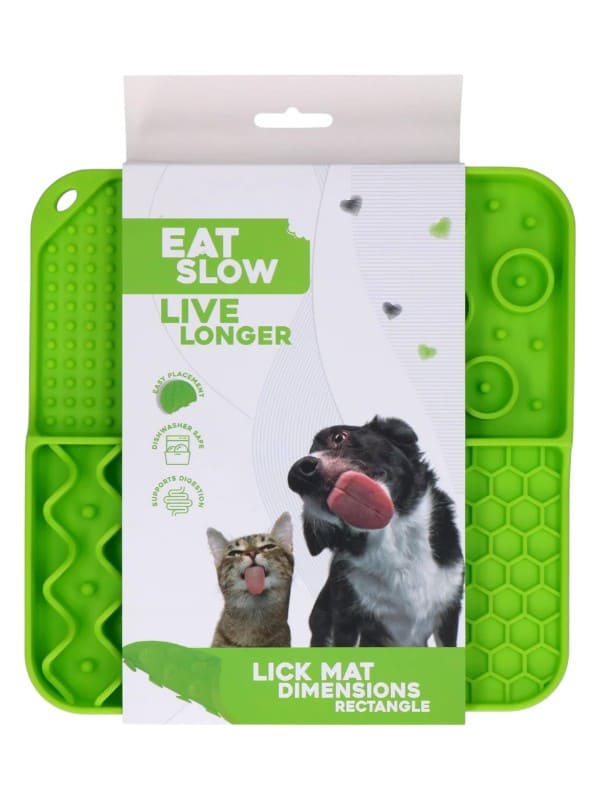
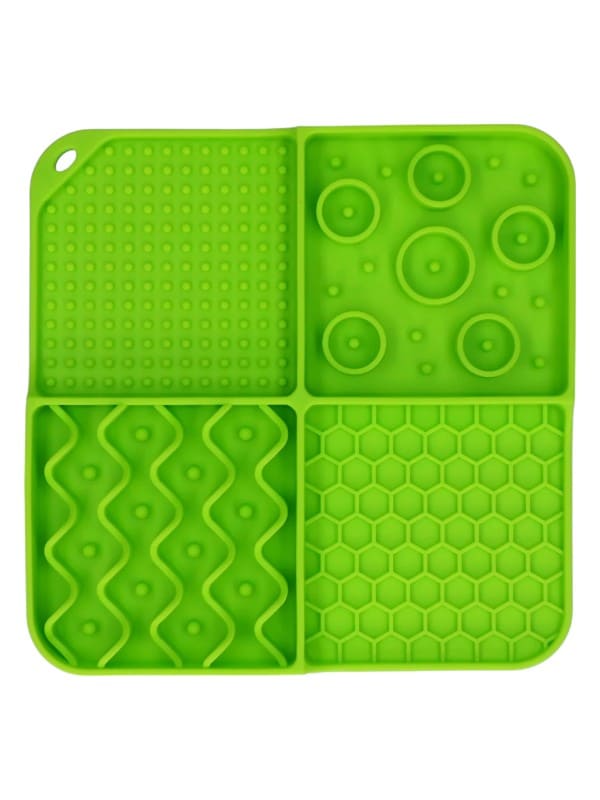
Many dogs have a natural “contrafreeloading” instinct—they actually enjoy working for their food. Instead of using traditional food and water bowls, try serving meals on a lick mat or inside a puzzle toy. This provides mental stimulation and turns eating into a rewarding game. You can learn more about how dog toys offer engaging indoor activities to keep your pet’s mind sharp.
- -20%

Original price was: 14,70 €.11,76 €Current price is: 11,76 €.
How to Discourage Fussy Eating Habits
If your dog is healthy but “holding out” for something better, they may have learned that refusing their dinner results in receiving table scraps.
- Limit Treats: Ensure that dog treats make up no more than 10% of your dog’s daily caloric intake. If they are filled up on snacks, they won’t be hungry for balanced meals.
- Implement a Feeding Schedule: Avoid “free-feeding” (leaving food out all day). Put the bowl down for 15–20 minutes; if the dog doesn’t eat, pick it up until the next scheduled mealtime. This creates a sense of value around their food.
- Increase Exercise: A vigorous walk or play session before dinner naturally increases a dog’s metabolic needs and stimulates hunger.
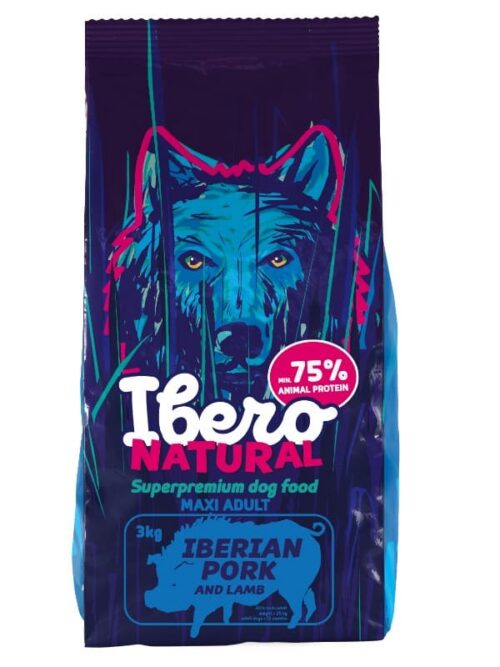
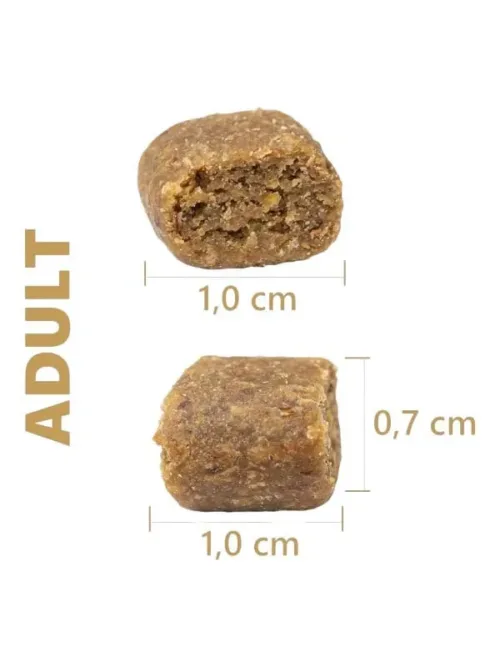
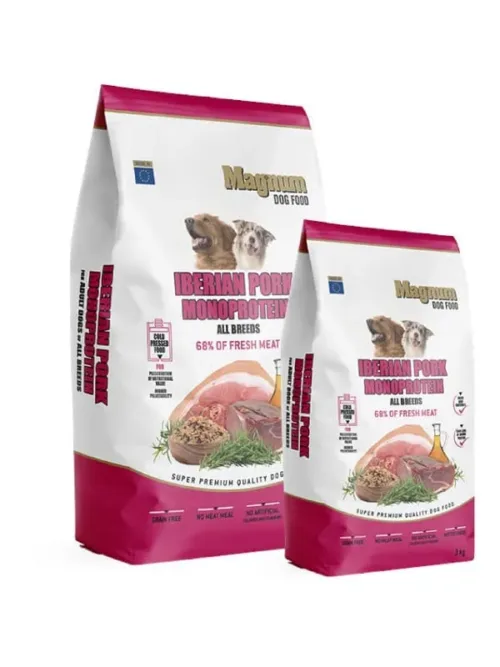
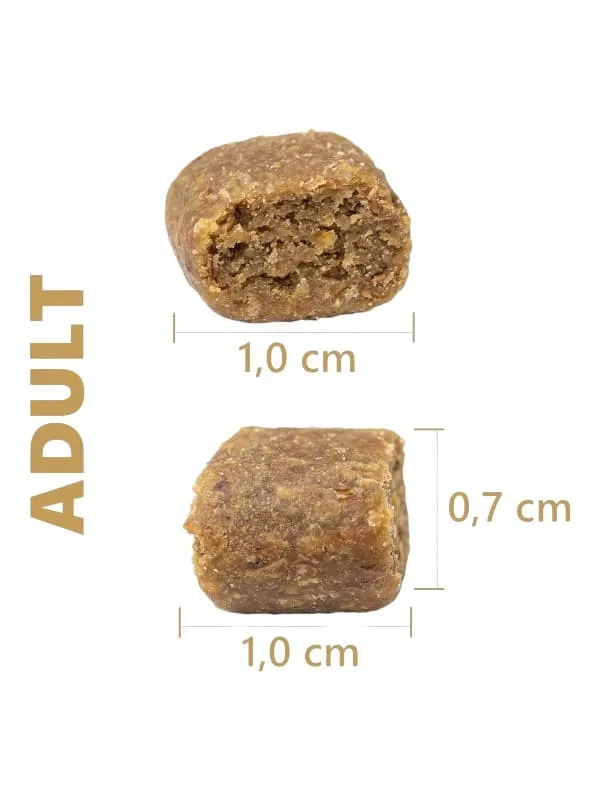
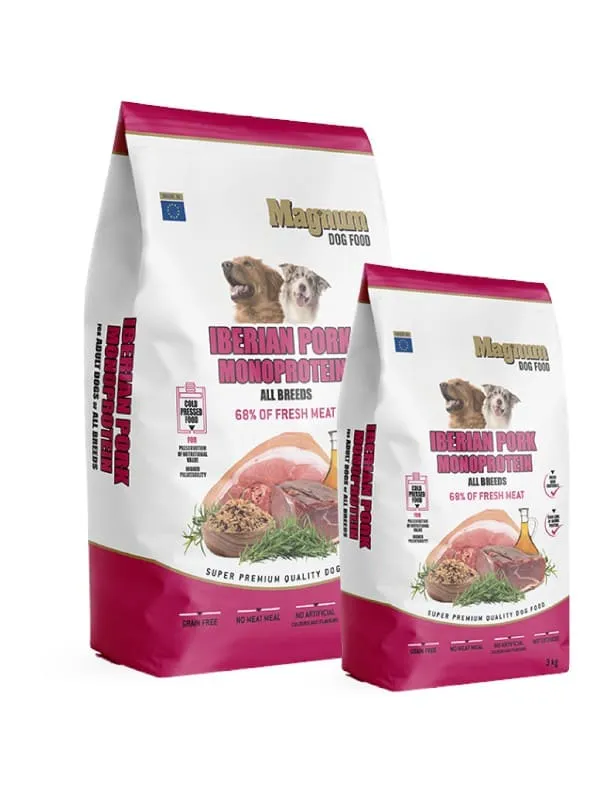
Always ensure you are feeding a high-quality dry dog food tailored to your dog’s specific breed, age, and activity level.
- -9%
Original price was: 60,50 €.55,00 €Current price is: 55,00 €.
- -15%
Original price was: 70,25 €.59,71 €Current price is: 59,71 €.

When to Consult Your Veterinarian
While skipping a single meal isn’t always a crisis, certain situations require professional help. Contact your vet if your dog hasn’t eaten for more than 24 hours, or if the loss of appetite is accompanied by:
- Vomiting or persistent diarrhea.
- Noticeable lethargy or a lack of interest in play.
- Excessive drooling or bleeding from the gums.
- Rapid weight loss or increased thirst.
- The dog has a pre-existing condition, such as diabetes.
Consistent monitoring and premium nutrition are the foundations of a long, healthy life. If you are looking for the best for your pet, browse our full dog food selection to find a formula that will get even the pickiest eater’s tail wagging.