

Wet vs. Dry Cat Food: Choosing the Best Nutrition for Your Pet
Is your cat getting enough water, or are they relying solely on kibble? Choosing between wet and dry food is more than just a matter of convenience; it is a decision that directly impacts your pet’s kidney health, weight management, and long-term vitality.
The Case for Wet Food: Prioritizing Hydration
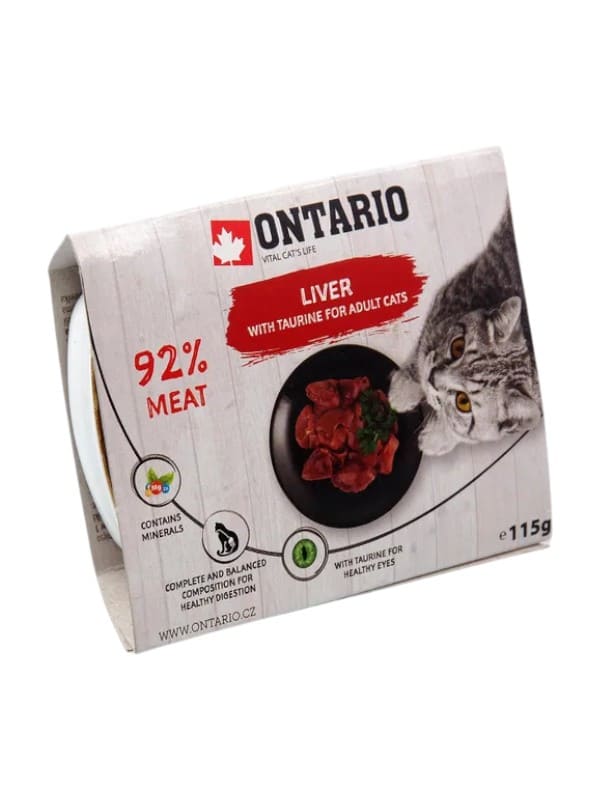
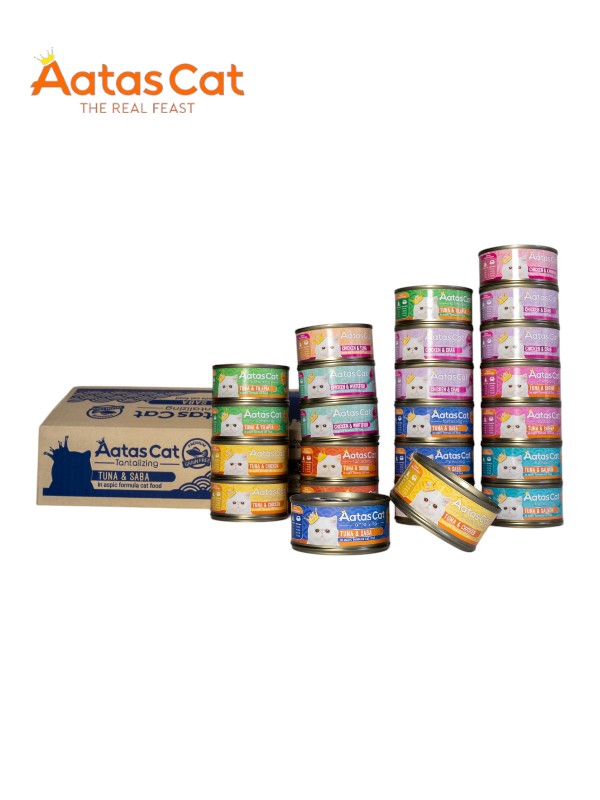
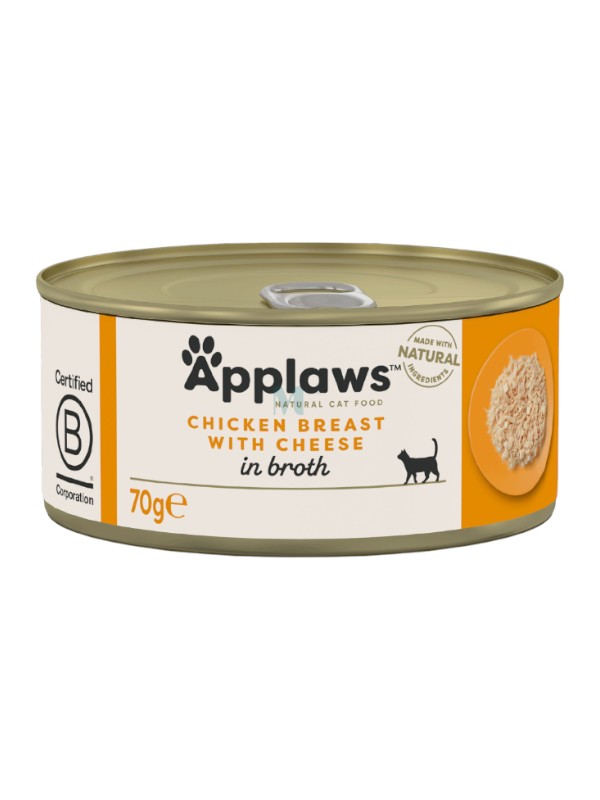
Evolutionarily, cats are ancestral desert dwellers with a naturally low thirst drive. In the wild, they obtain the majority of their fluids from their prey. In a domestic setting, however, a lack of dietary moisture can lead to chronic dehydration. High-quality wet food is an essential tool for feline health because it typically contains at least 75% moisture, providing a natural and efficient way to keep your cat hydrated.
Maintaining adequate fluid intake supports healthy kidney function and helps prevent common urinary tract issues. Furthermore, canned foods generally feature higher protein levels and fewer carbohydrates than dry kibble, which helps cats maintain lean muscle mass. When selecting a product, it is vital to distinguish between “complete” and “complementary” feed. Complete feed is scientifically formulated to provide a balanced daily diet, while complementary feeds are intended only as a treat or a nutritional supplement. You can learn more about the differences between complete and complementary food here.
The Practicality and Efficiency of Dry Food
Dry food remains a popular staple due to its convenience and long shelf life. Unlike wet food, kibble can be left out for several hours without spoiling, making it the perfect option for “grazers”—cats who prefer to eat small portions throughout the day. Because dry food is more energy-dense, it is often a more cost-effective way to meet your pet’s caloric needs.
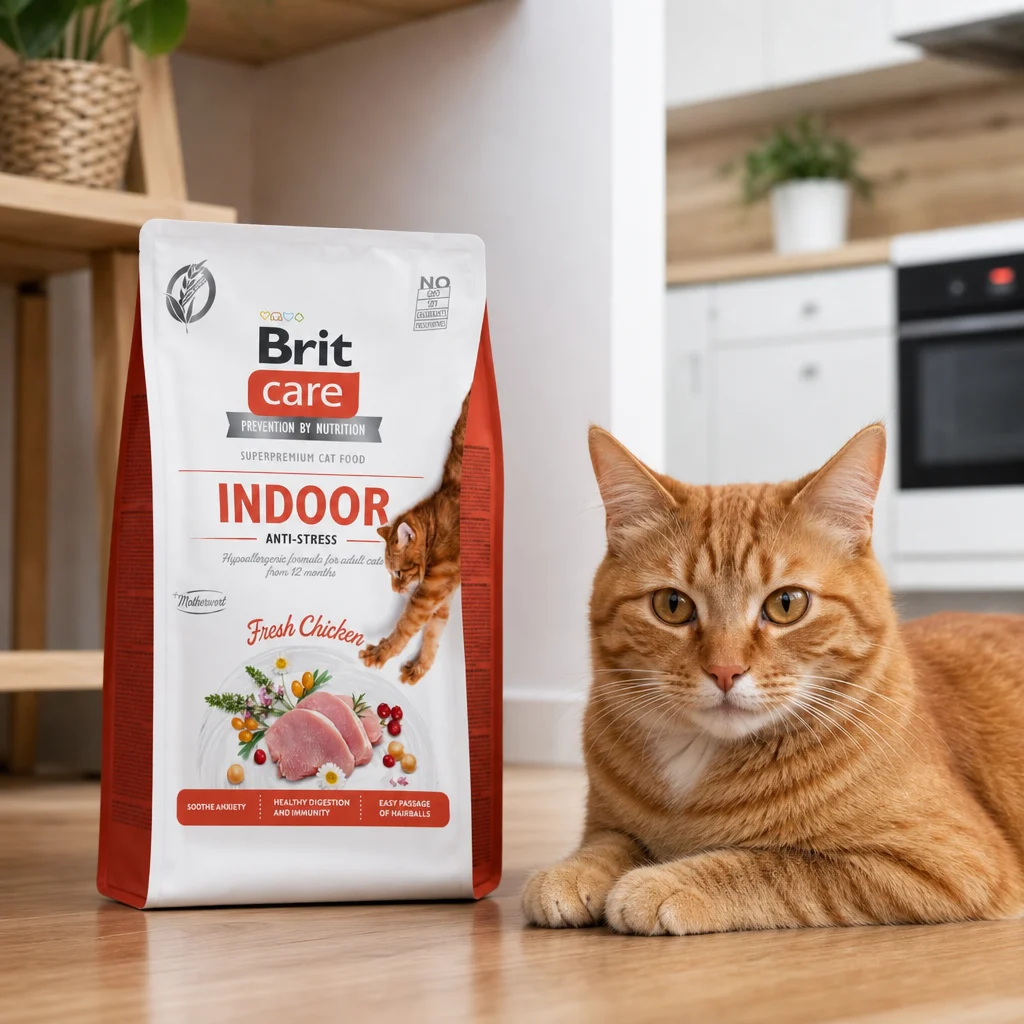
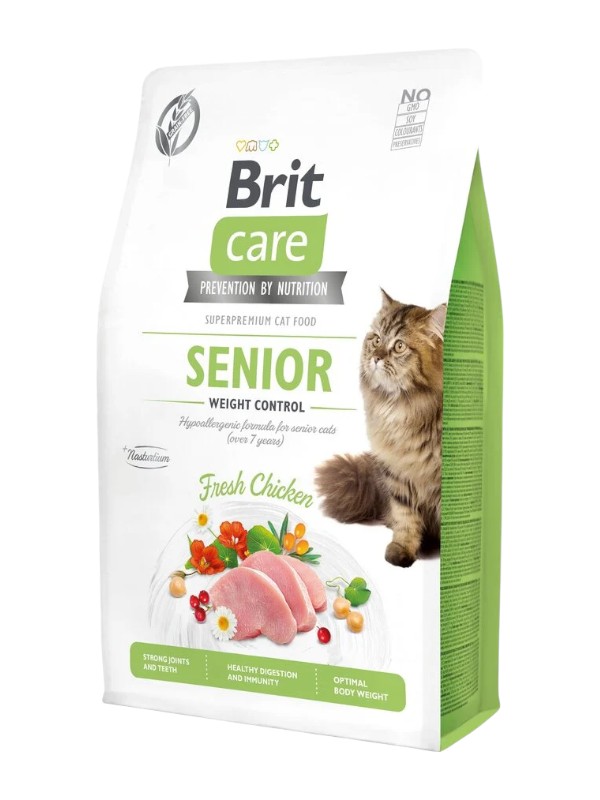
However, owners must be mindful of portion sizes. Since kibble is calorie-dense and higher in carbohydrates, overfeeding can quickly lead to weight gain, particularly in less active indoor cats. Modern premium ranges, such as Brit Care, offer specialized formulas tailored to specific life stages and health requirements—ranging from stressed indoor cats and overweight seniors to sterilized pets needing extra urinary support.
Debunking Common Myths: Dental Health and Weight Control
A persistent misconception is that dry kibble cleans a cat’s teeth like a toothbrush. In reality, most veterinary studies suggest that standard dry food does not provide enough abrasive resistance to significantly improve oral health. Wet food is no more “harmful” to teeth than dry food; regardless of the diet, regular dental check-ups and hygiene remain essential.
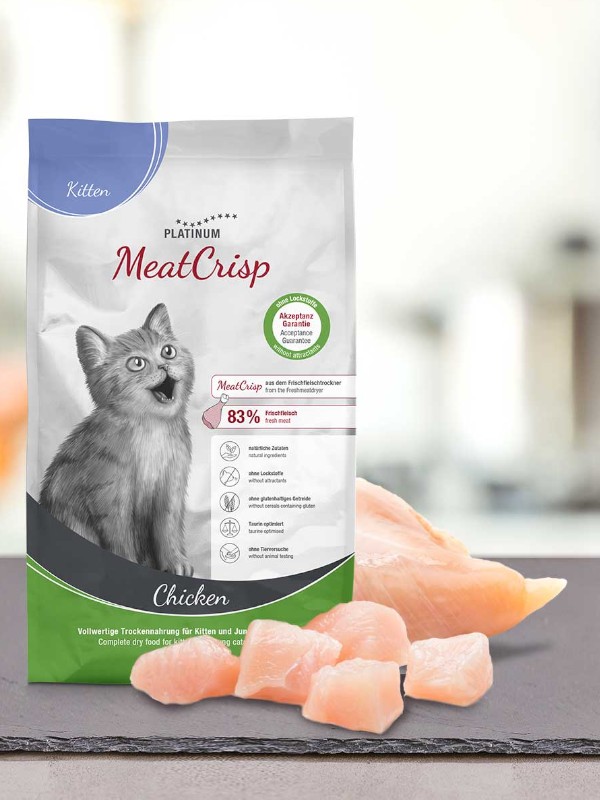
Regarding weight management, research indicates that unlimited access to dry food (free-feeding) can contribute to obesity in sterilized cats. Interestingly, some studies suggest that even adding water to dry food can help cats better regulate their energy intake and maintain a healthy weight. Meanwhile, growing kittens require a nutrient-dense diet specifically adapted for their rapid development to ensure proper energy levels and muscle growth.
Finding the Right Balance
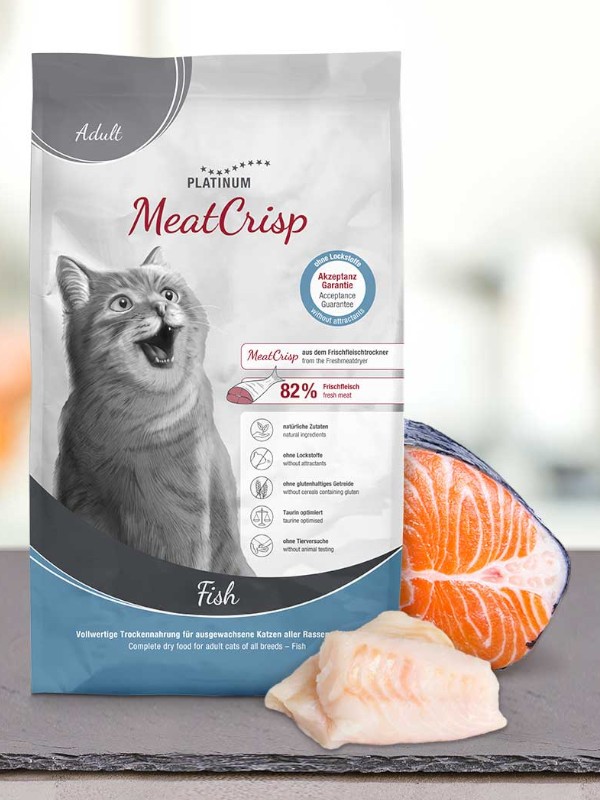
Many pet owners find that “mixed feeding”—offering a combination of both wet and dry food—is the ideal solution. This approach provides the best of both worlds: wet food ensures optimal hydration, while dry food offers convenience and concentrated nutrition. A varied menu is also often more appealing to cats, as it introduces a range of textures and flavors to their daily routine.
When deciding on the best diet, always consider your cat’s age, health status, and personal preferences. If your cat is a picky eater or has a history of urinary issues, wet food should play a larger role in their diet. For a wide selection of complete, high-quality nutrition designed to support your pet at every life stage, explore our cat food section. Choosing a diet tailored to your pet’s specific needs today is the best way to ensure a long, healthy life.