

Wet Food vs. Dry Food: Which Is Best for Your Dog?
Choosing between convenient dry kibble and savory wet food is about more than just your pet’s preference. This decision affects everything from hydration levels and dental hygiene to long-term health and vitality.
Deciding between wet and dry food is a common dilemma for many owners. While both options provide complete nutrition when made with high-quality ingredients, they interact with a dog’s body in different ways. The ideal choice depends on your dog’s age, health status, and specific eating habits.
Wet Food: Superior Hydration and Palatability
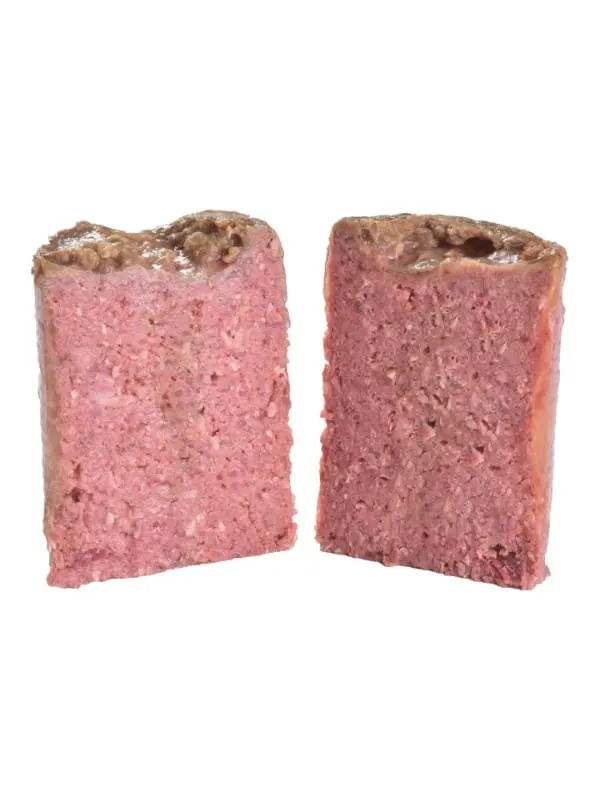
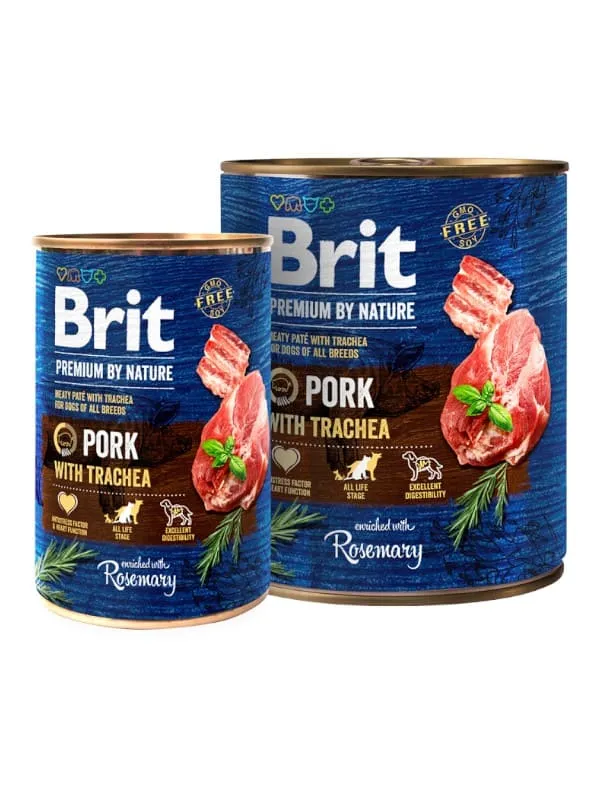
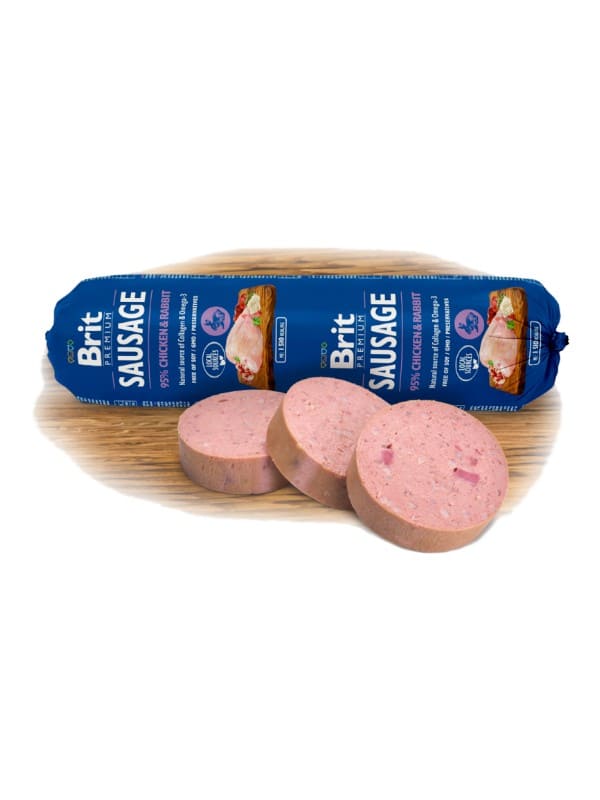
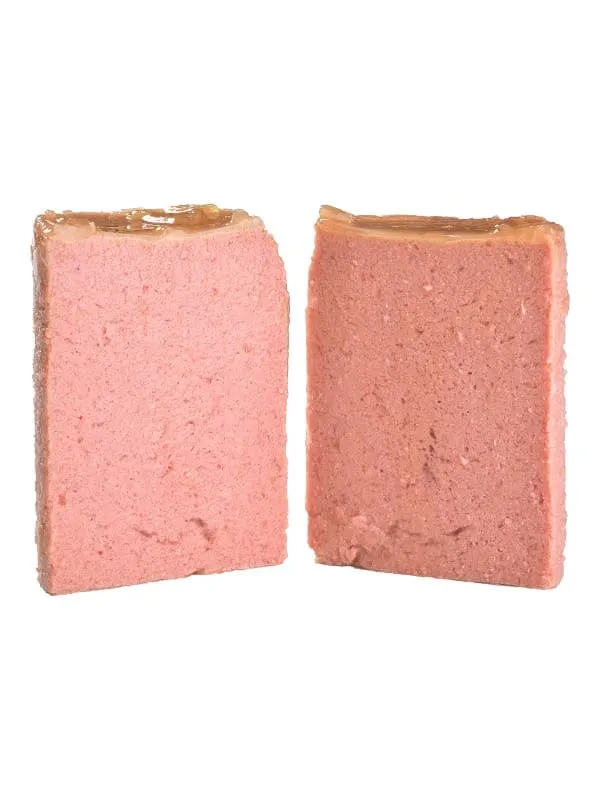
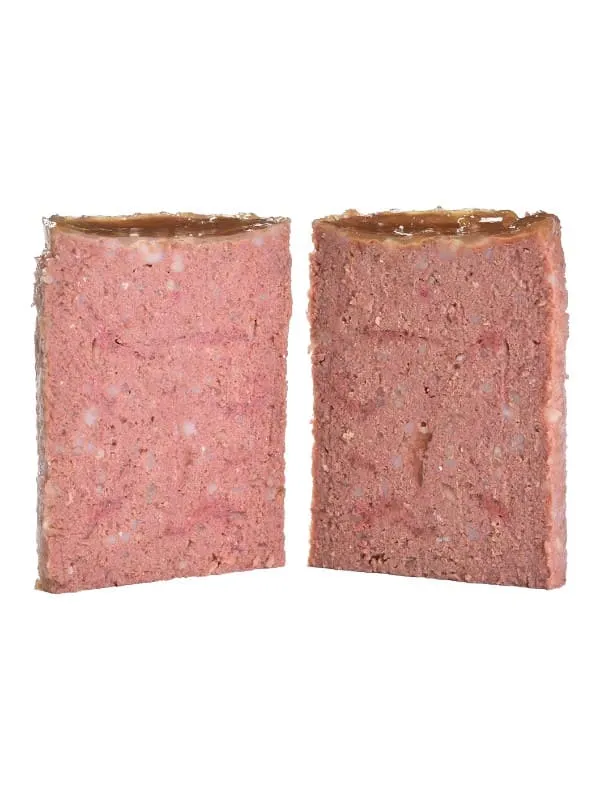
Wet food—available as cans, pouches, or pâtés—is characterized by its high moisture content, typically ranging from 75% to 78%. This is a significant advantage over dry kibble, which averages only 10% to 12% water. This makes wet food for dogs an excellent choice for pets that don’t drink enough water or are prone to dehydration.
Key benefits of wet food:
- Exceptional palatability: The intense aroma and soft, meaty texture are often enough to entice even the pickiest eaters who might turn their noses up at dry kibble.
- Easier to chew: The soft consistency is ideal for senior dogs or those with dental issues, such as sensitive gums or missing teeth.
- Weight management: Because the high water content adds volume without adding calories, wet food helps dogs feel full faster. This is particularly helpful for maintaining satiety on a calorie-restricted diet.
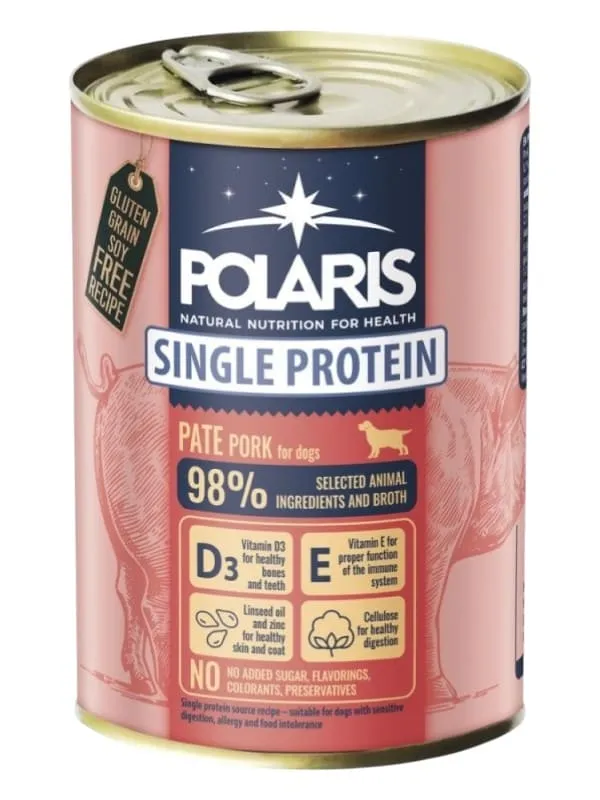
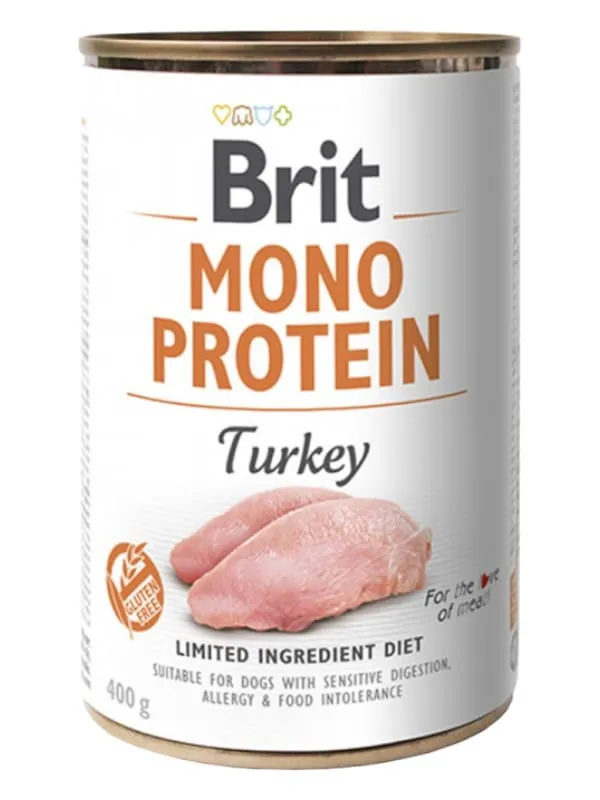
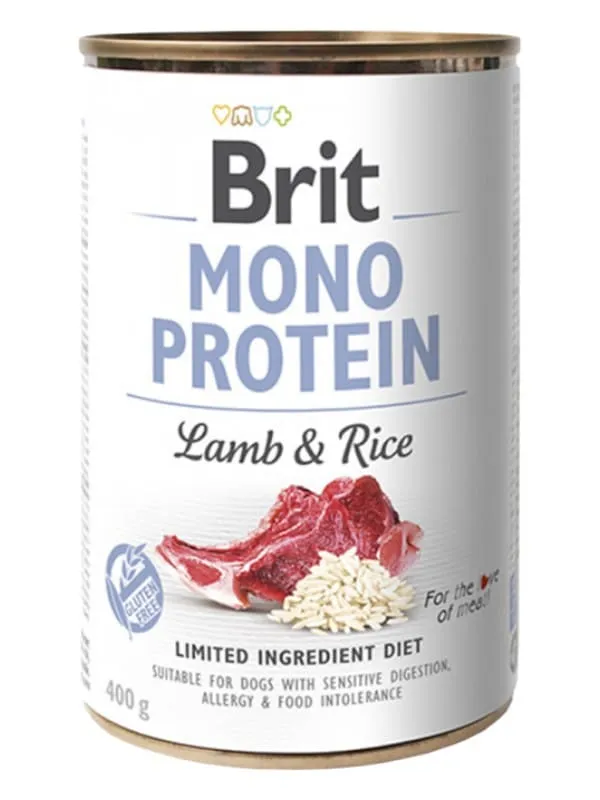
For dogs with food sensitivities or allergies, monoprotein options—such as those from IBERO or Ontario—are highly recommended. These contain a single source of animal protein to help identify and minimize the risk of food intolerances.
- -16%
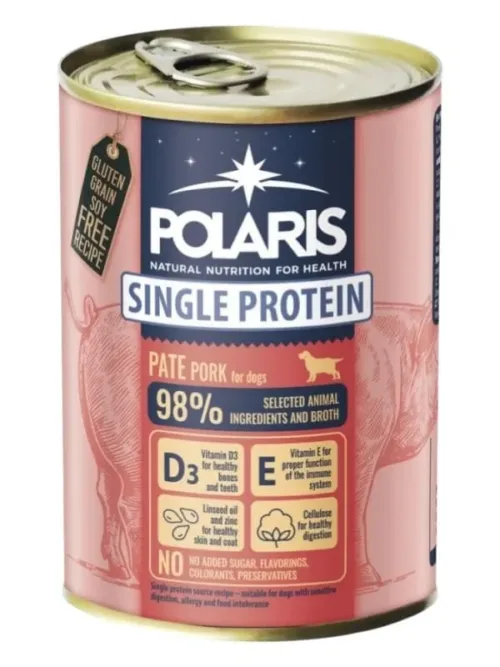
Original price was: 17,90 €.15,00 €Current price is: 15,00 €.

Dry Food: Convenience and Dental Support
Dry food for dogs remains the most popular choice for many households due to its practicality and shelf stability. Unlike wet food, which must be consumed shortly after opening, kibble can sit in a bowl throughout the day, allowing for “free-feeding” or grazing.
Key benefits of dry food:
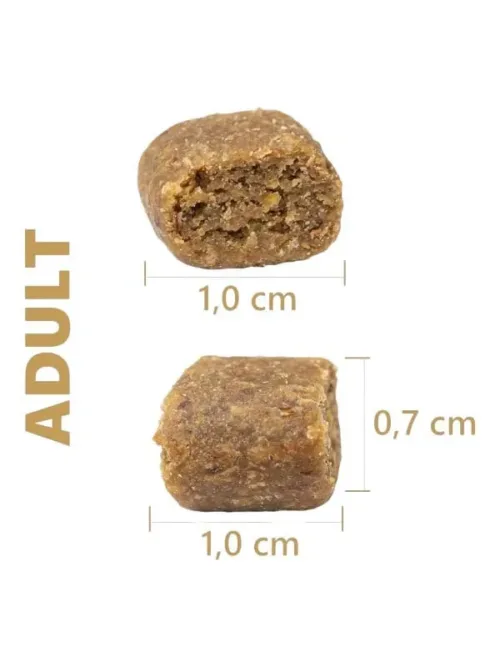
- Dental hygiene: The mechanical action of chewing crunchy kibble helps scrape away plaque and can reduce the buildup of tartar over time.
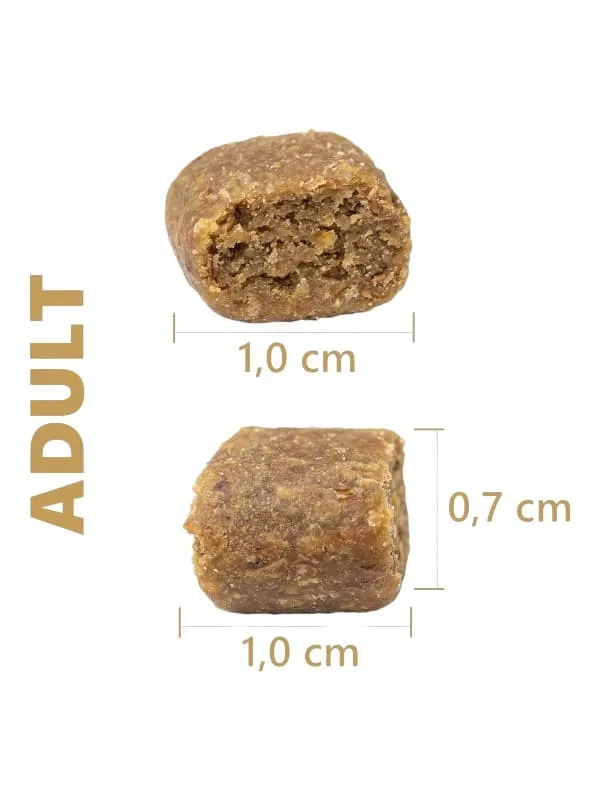
- Nutrient density: Dry food is highly concentrated. This means a dog can meet their daily nutritional requirements with a smaller portion, making it an economical and space-efficient option.
- Versatility: Kibble is easy to store, measure, and transport. It also doubles as a convenient reward during training sessions or for use in interactive enrichment toys.
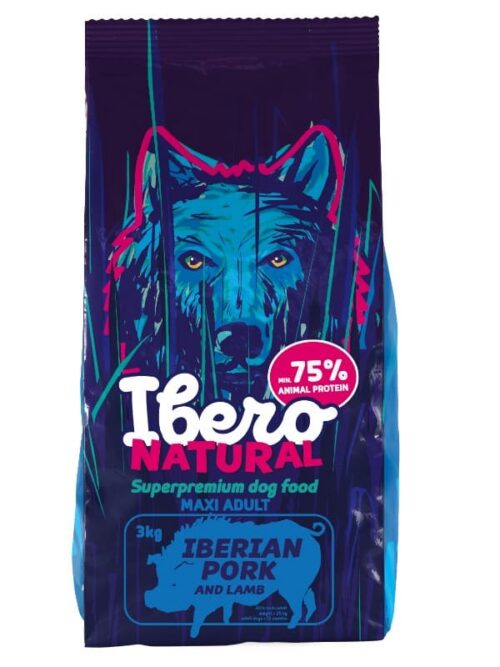
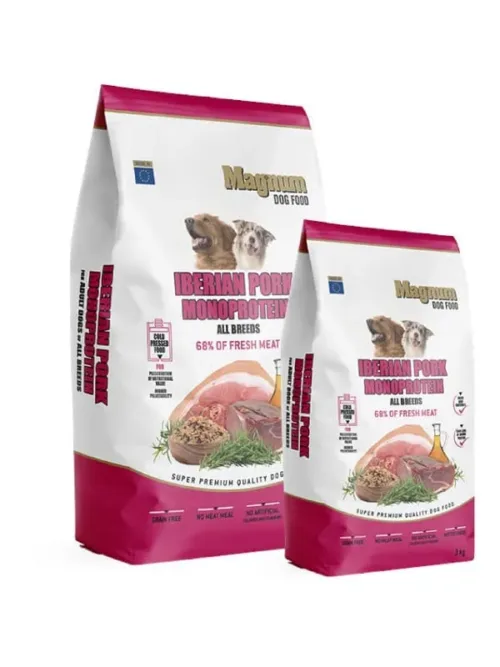
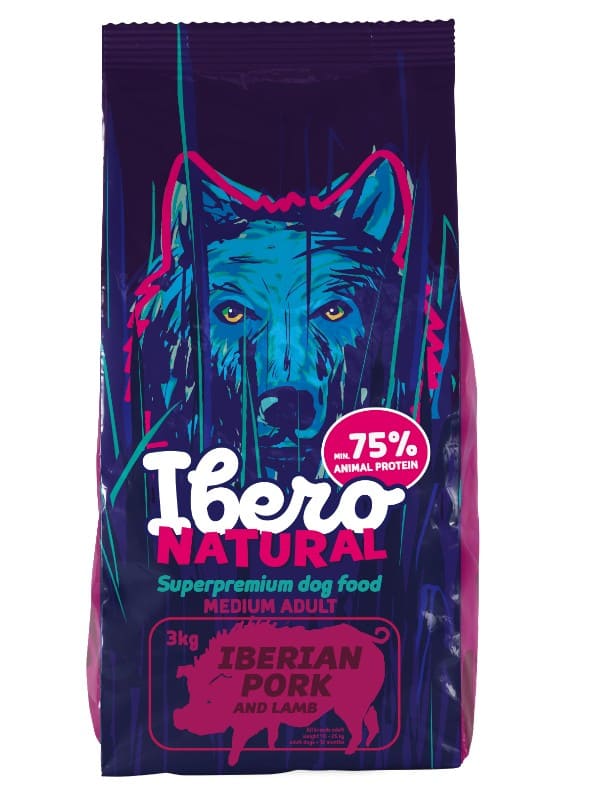
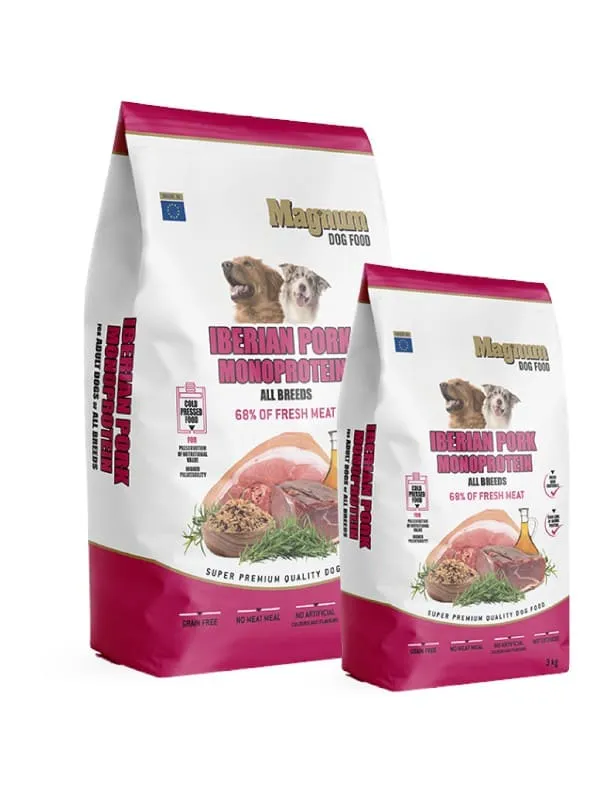
Premium brands like IBERO and Ambrosia focus on hypoallergenic, grain-free, or limited-ingredient recipes, avoiding common fillers like wheat, soy, and corn. IBERO, for example, utilizes brown rice as a highly digestible, fiber-rich carbohydrate source.
- -9%
Original price was: 60,50 €.55,00 €Current price is: 55,00 €.
- -14%

Original price was: 60,50 €.52,00 €Current price is: 52,00 €.
- -15%
Original price was: 70,25 €.59,71 €Current price is: 59,71 €.

Can You Combine Wet and Dry Food?
Many owners opt for a mixed feeding approach to provide their dogs with the best of both worlds. This strategy introduces variety, boosts hydration through the wet food, and retains the dental benefits of the dry kibble.
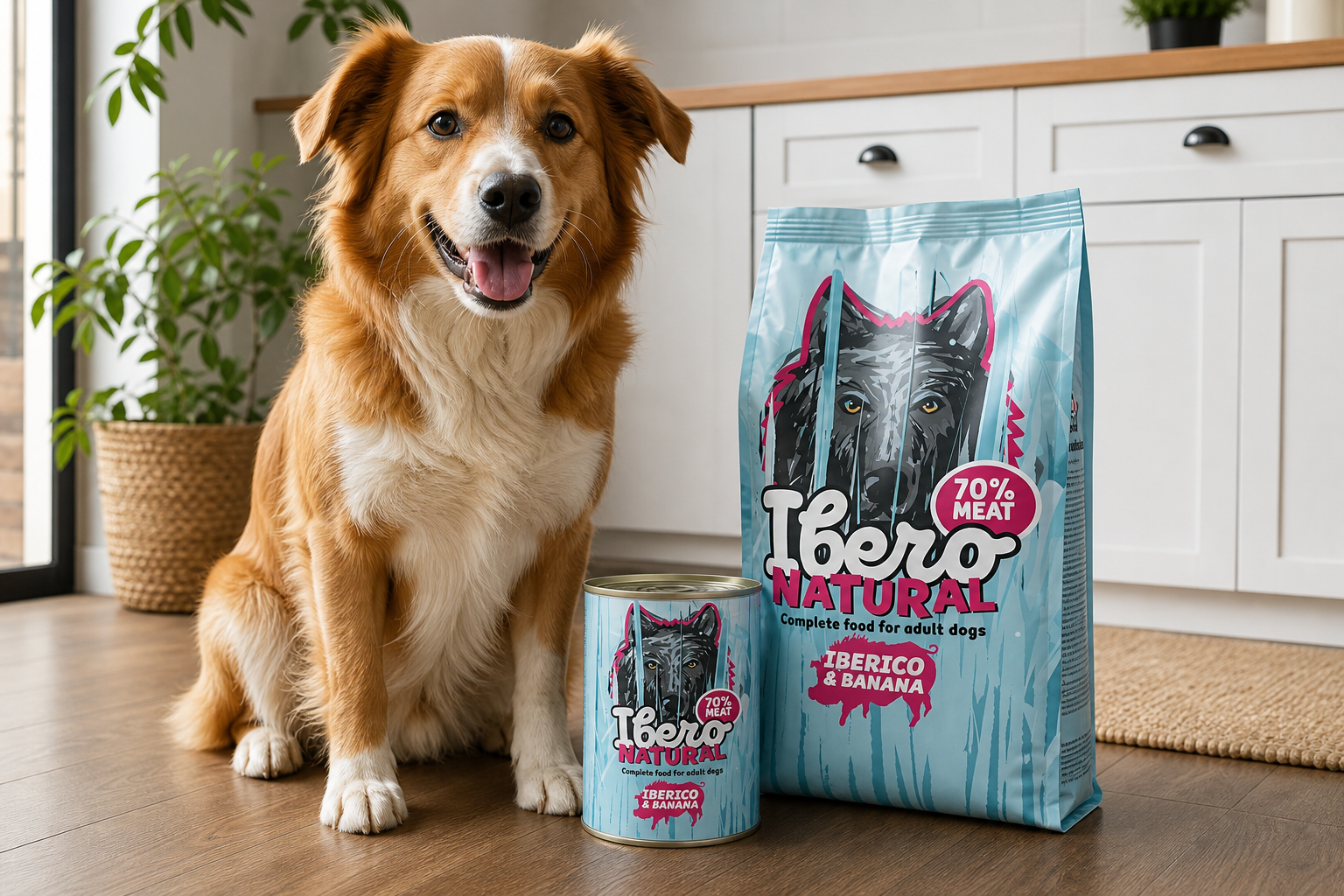
If you choose to mix foods, it is essential to monitor the total daily caloric intake to prevent unwanted weight gain. When adding wet food to a bowl of kibble, the portion of dry food must be reduced accordingly. It is also important to distinguish between “complete” and “complementary” foods. Complete feed is nutritionally balanced to be a dog’s sole diet, while complementary feed is intended only as a treat or supplement. You can learn more about the differences between complete and complementary feed here.
Choosing Based on Your Dog’s Life Stage
As a dog’s needs evolve, so should their diet. Consider these general guidelines:
- Puppies: Growing dogs require frequent, nutrient-dense meals to support their rapid development. Puppies often start with softened wet food before gradually transitioning to high-quality dry puppy food.
- Seniors: Older dogs often experience a diminished sense of smell and a lower appetite. Gently warming wet food or mixing it into kibble can enhance the aroma and soften the texture, making it more appealing and easier to digest.
- Specific Health Concerns: Dogs with kidney or urinary tract issues benefit significantly from the extra moisture in wet food. Conversely, if a dog is prone to rapid dental decay, the mechanical cleaning of dry food may be more beneficial.
Ultimately, the best diet is one that keeps your dog healthy, energetic, and excited for mealtime. If you find your dog is particularly picky or isn’t drinking enough water, experiment with different high-quality dog foods from our range to find the perfect balance of flavor and nutrition.
Explore our full selection of wet and dry foods to find the right formula to keep your four-legged friend thriving.