

Dog Food Ingredients: A Guide to Red Flags and Quality Nutrition
Do you really know what’s inside your dog’s food? While vibrant packaging and clever marketing slogans are designed to catch your eye, the true story of your pet’s health is hidden in the fine print of the ingredient list—a section that is often intentionally difficult to decipher. This guide breaks down which additives to avoid and how to identify high-quality nutrition that helps your dog thrive.
Choosing the right food is one of the most consequential decisions you make as a pet owner. With thousands of brands on the market, reading a label can feel like learning a foreign language. However, recognizing a few key “red flags” can protect your dog’s digestive system from unnecessary strain and prevent long-term health issues.
Understanding the Ingredient List
By law, ingredients must be listed in descending order by weight. This means the first few items on the list make up the vast majority of the food. If the list begins with vague categories like “cereals” or “meat and animal derivatives,” you should proceed with caution. Many of the principles for evaluating cat food ingredients apply to dogs as well: transparency is the primary hallmark of quality.
Premium dog food should always lead with a specific animal protein, such as “fresh lamb” or “dehydrated duck.” Terminology matters: if a product is labeled “with beef,” regulations may only require it to contain at least 3% beef. However, if multiple main ingredients are highlighted—such as “chicken and rice”—each must constitute a significant portion of the formula.
Vague Ingredients and Mystery By-products
One of the biggest warning signs is a lack of specificity. A reputable manufacturer will never hesitate to name the exact source of their protein. Vague terms are often used to mask cheap, low-quality raw materials that may change from batch to batch depending on market prices.
- Meat and animal derivatives: This catch-all term can include almost any part of an animal deemed unfit for human consumption. While some by-products like heart or liver are nutrient-dense, “anonymous” labeling means the quality and type of meat fluctuate constantly.
- Poultry meal: This raises an obvious question: which bird? It is always better to choose a specific source, such as turkey meal or chicken meal, to ensure consistency and avoid potential allergens.
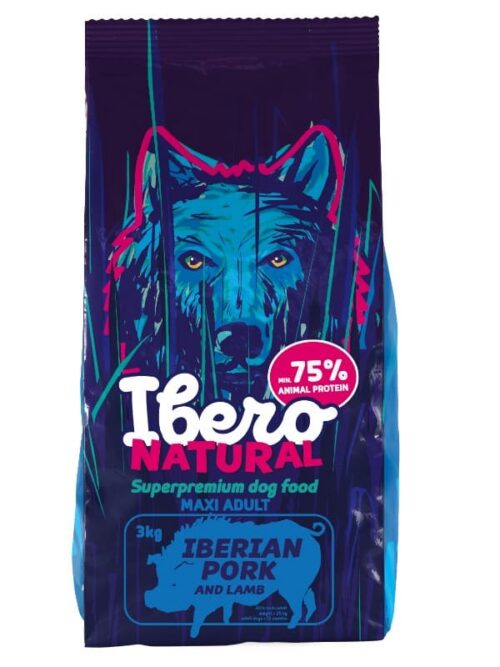
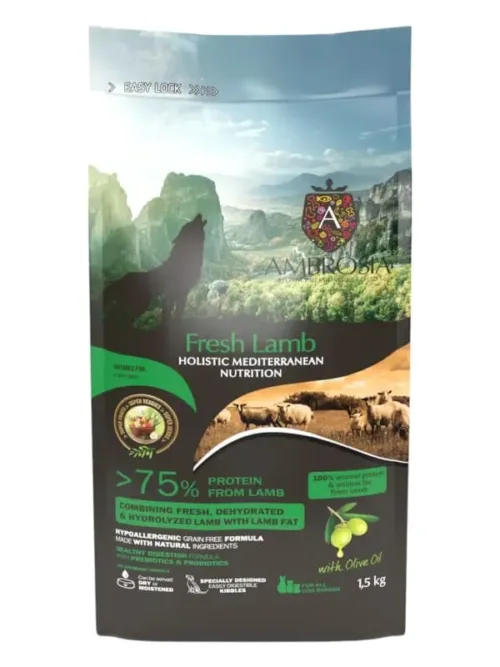
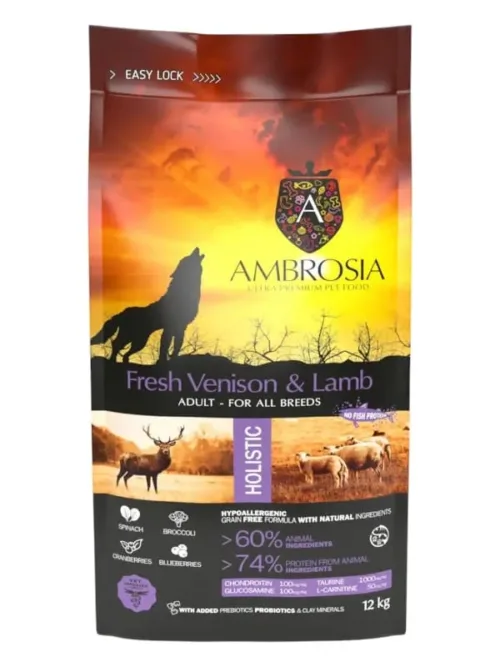
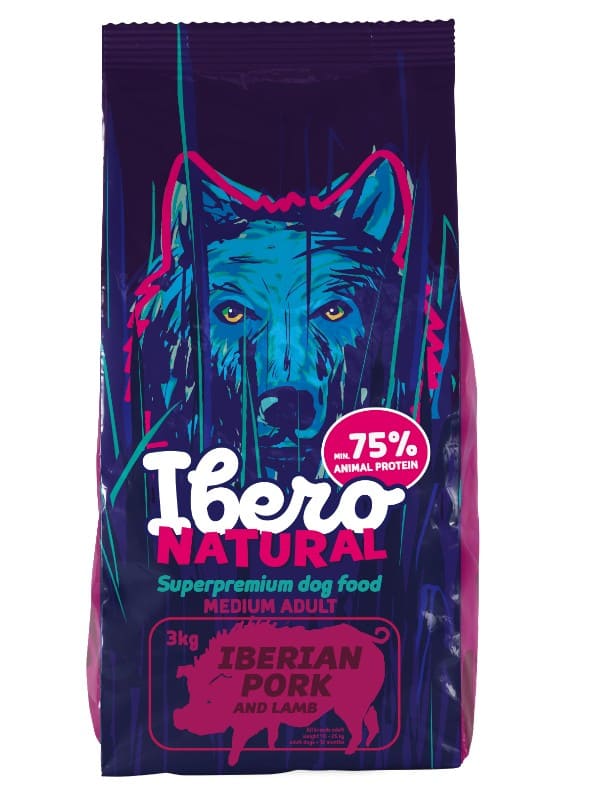
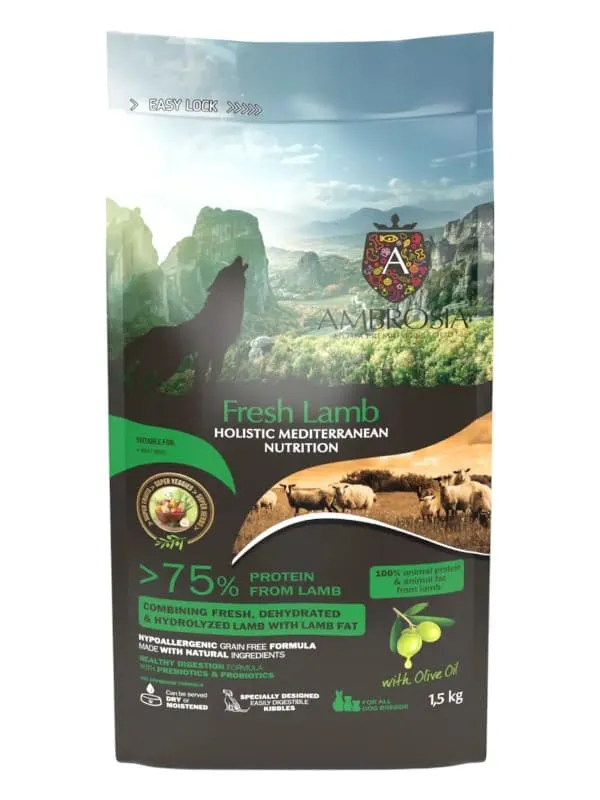
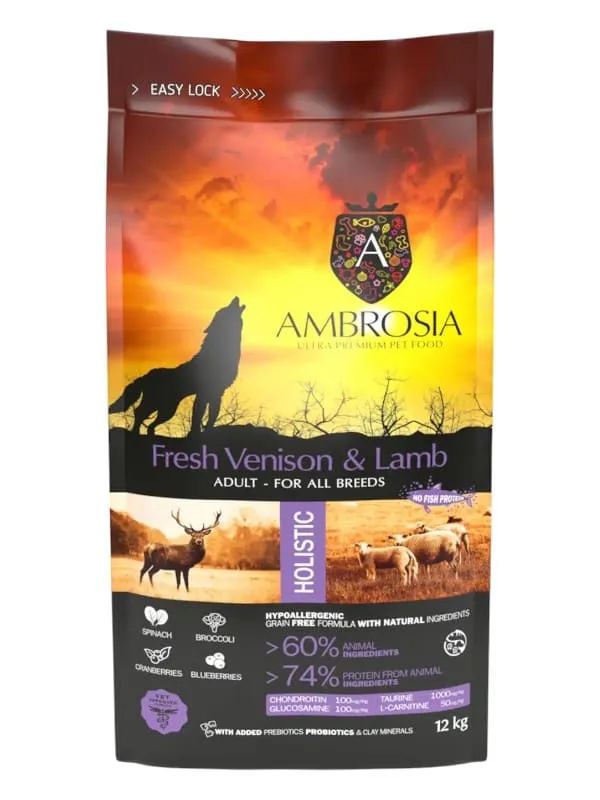
If you are looking for a diet with a transparent composition, brands like IBERO and Ambrosia are excellent choices. They specify both the origin and the exact percentage of meat, prioritizing high-quality protein over cheap fillers.
- -9%
Original price was: 60,50 €.55,00 €Current price is: 55,00 €.
- -19%

Original price was: 60,50 €.49,00 €Current price is: 49,00 €.
- -7%
Original price was: 54,90 €.51,00 €Current price is: 51,00 €.
- -21%
Original price was: 69,90 €.64,00 €Current price is: 64,00 €.

Synthetic Preservatives and Artificial Colors
Many veterinary nutritionists advise against synthetic additives linked to digestive issues and long-term health risks. While regulations allow these in small amounts, the cumulative effect of daily consumption is a concern for many owners.
- BHA and BHT: These synthetic antioxidants prevent fats from spoiling, but animal studies have linked them to liver and kidney damage.
- Ethoxyquin: Originally developed as a pesticide, this chemical is frequently used as a preservative in fish meal.
- Artificial colors: Dogs do not care what color their food is. Dyes like Red #40 or Yellow #5 are added strictly for human appeal and have been associated with hyperactivity and allergic reactions in some pets.
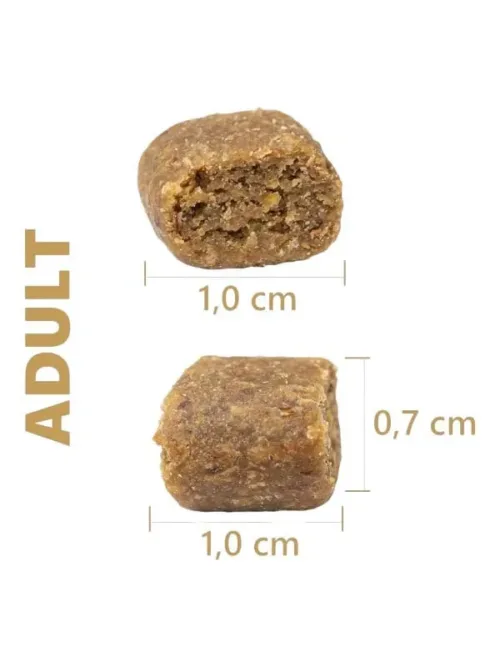
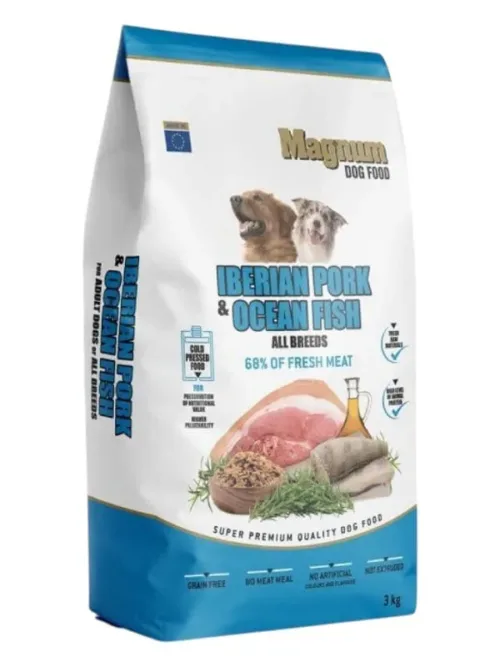
Instead, look for foods preserved with natural alternatives like tocopherols (Vitamin E) or rosemary extract. Cold-pressed dry dog food is often a superior choice, as the lower processing temperatures help maintain nutritional integrity without the need for heavy chemical stabilization.
- -15%
Original price was: 23,90 €.20,80 €Current price is: 20,80 €.
- -15%
Original price was: 70,25 €.70,25 €Current price is: 70,25 €.
Fillers and Common Allergens
While grains are not inherently bad for all dogs, budget-friendly foods often rely on excessive amounts of corn, wheat, and soy. These serve as “fillers”—ingredients that bulk up the calorie count but offer little biological value to a facultative carnivore. Many dogs develop gluten sensitivities, which often manifest as chronic itching, skin irritation, or ear infections.
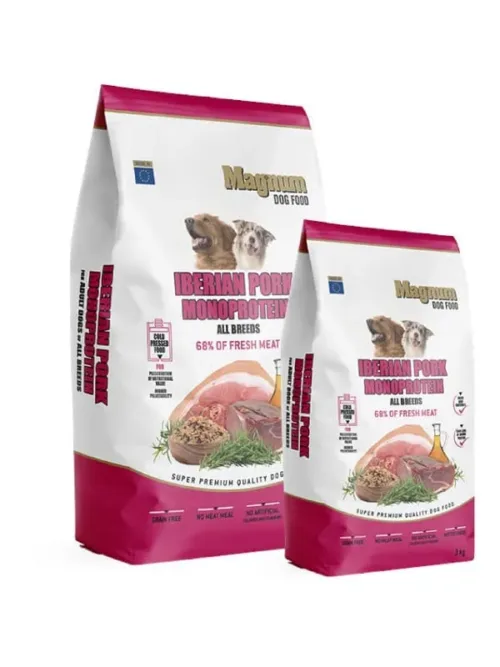
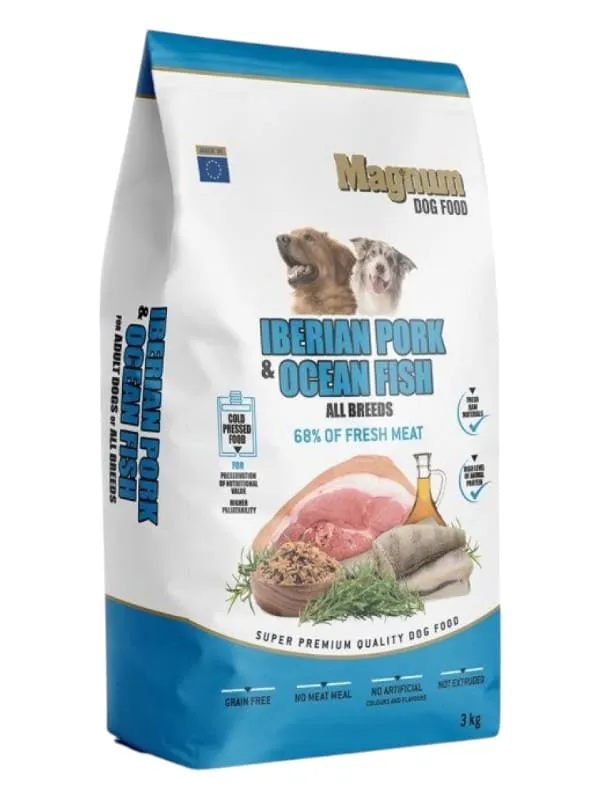
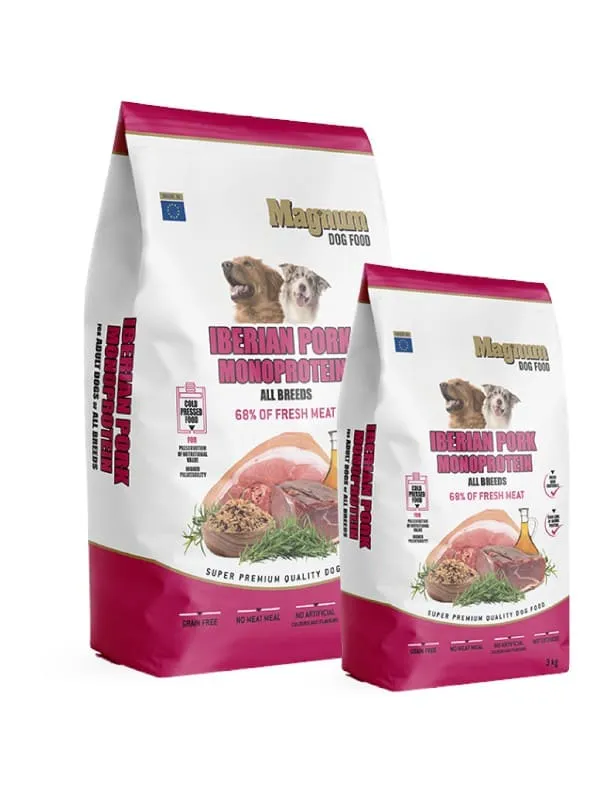
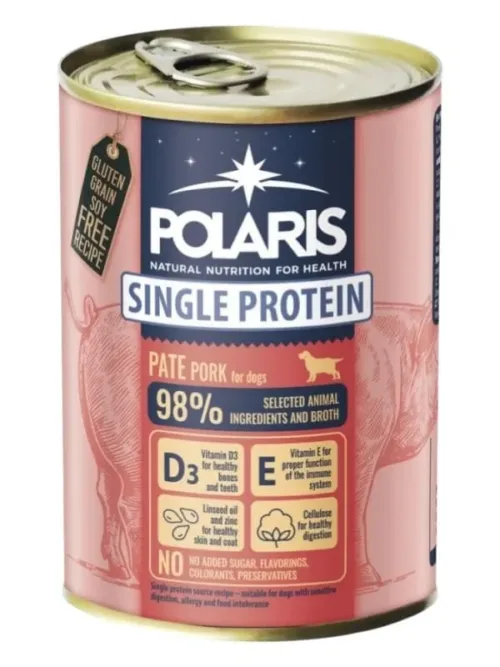
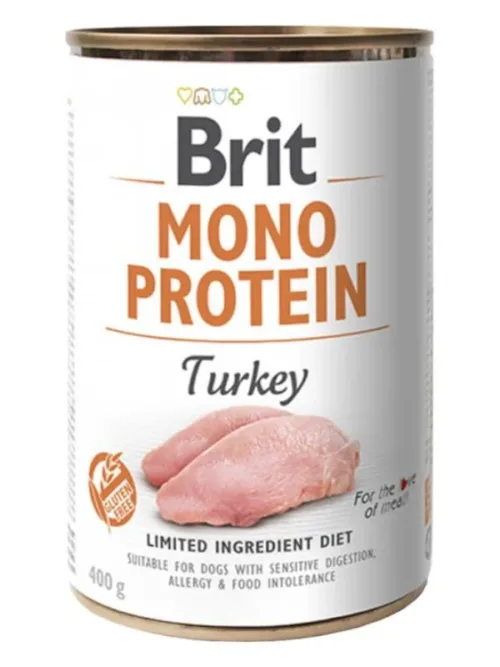
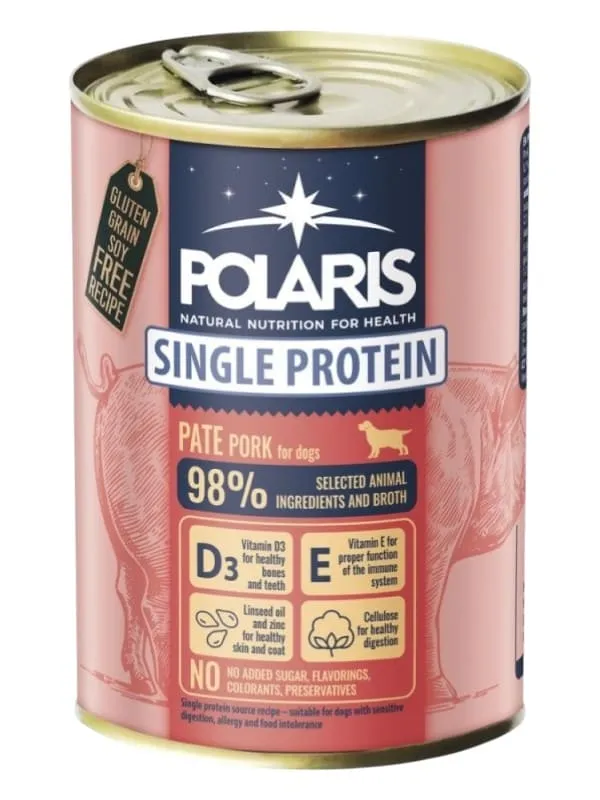
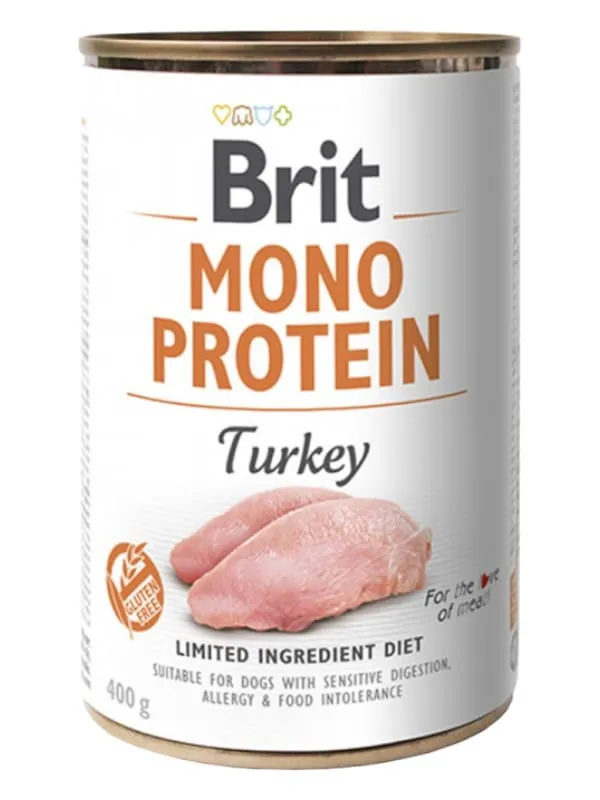
If your dog has a sensitive stomach, consider a hypoallergenic or monoprotein diet. A monoprotein formula uses only one animal protein source, making it much easier to identify and eliminate food intolerances. Brands like Brit Care and Polaris offer high-quality options in this category.
- -11%
Original price was: 17,90 €.17,90 €Current price is: 17,90 €.
- -18%

Original price was: 3,05 €.3,05 €Current price is: 3,05 €.
Hidden Toxins: Xylitol and Propylene Glycol
Certain ingredients safe for humans are highly toxic to dogs. You must be especially vigilant if you offer your dog “human grade” treats or peanut butter.
- Xylitol (Birch Sugar): This common sugar substitute is found in sugar-free gum and some nut butters. It is life-threatening to dogs, causing a massive insulin surge that leads to a rapid drop in blood sugar, seizures, and liver failure.
- Propylene Glycol: Used to maintain moisture in semi-moist kibble and treats. While the FDA technically allows it in dog food, it remains a synthetic additive that is best avoided in favor of a cleaner, more natural diet.
Treats: Quality Beyond the Main Meal
Pet owners often spend hours researching the best kibble, only to reward their dogs with “colorful sticks” loaded with sugar, dyes, and preservatives. The best dog treats are simple, natural, and free from artificial additives.
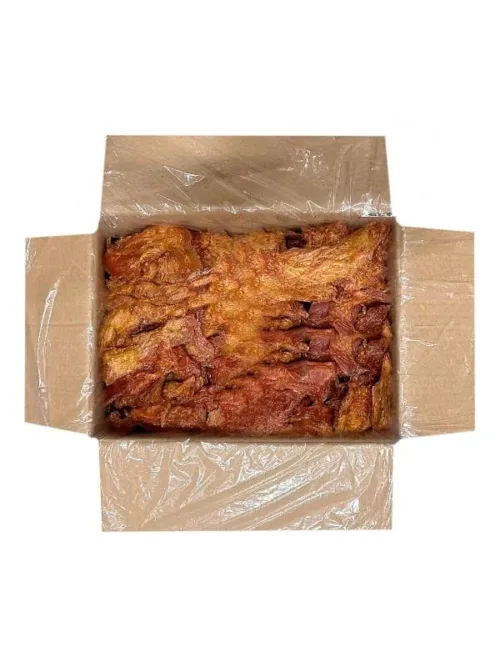
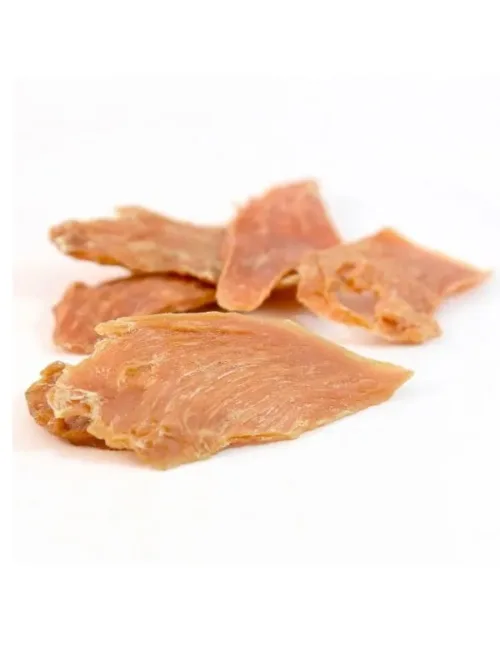
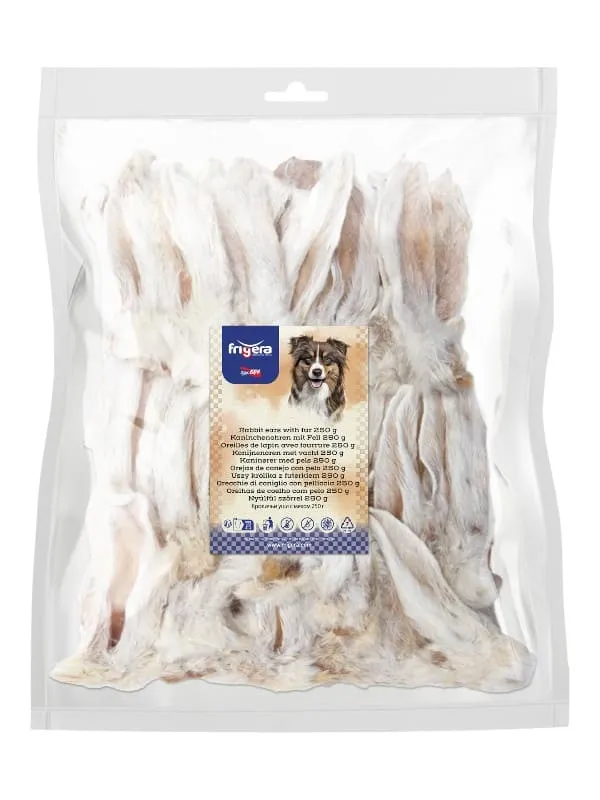
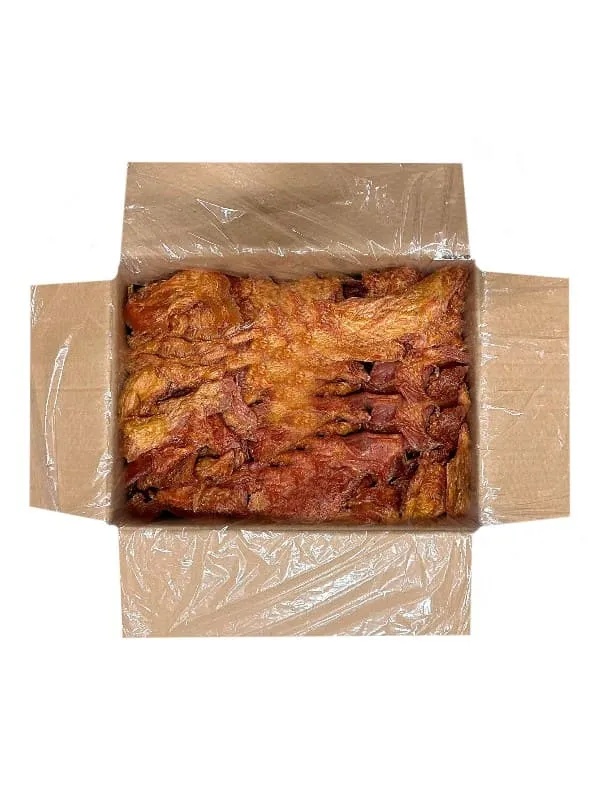
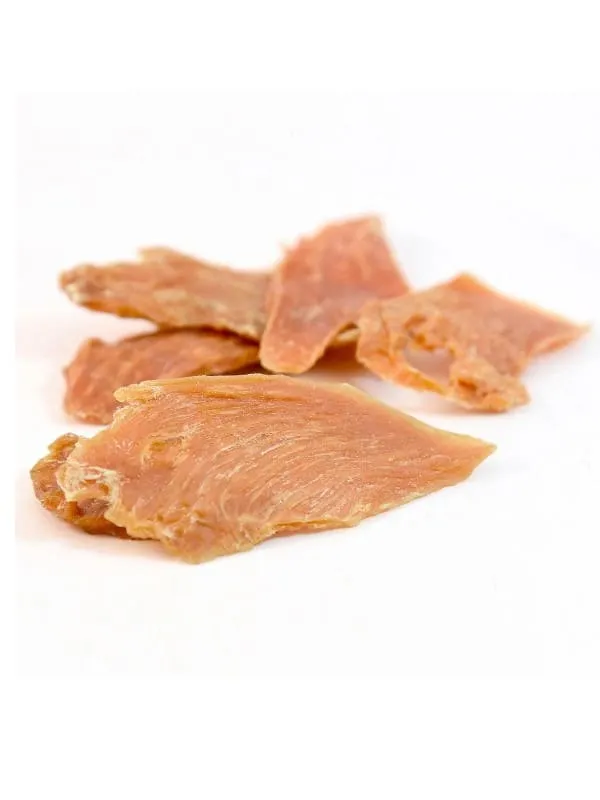
Natural treats, such as dried chicken breast or rabbit ears, provide essential protein and satisfy the instinct to chew. The Frigera range, for instance, includes treats with fur, which act as a natural toothbrush and support the cleansing of the digestive tract.
- -25%

Original price was: 11,90 €.11,90 €Current price is: 11,90 €.
- -25%
Original price was: 32,30 €.32,30 €Current price is: 32,30 €.
Making the Best Choice for Your Dog
Learning to decode dog food labels takes a bit of practice, but the long-term health benefits are worth the effort. When deciding between complete and complementary food, always choose a product tailored to your dog’s specific life stage and activity level.
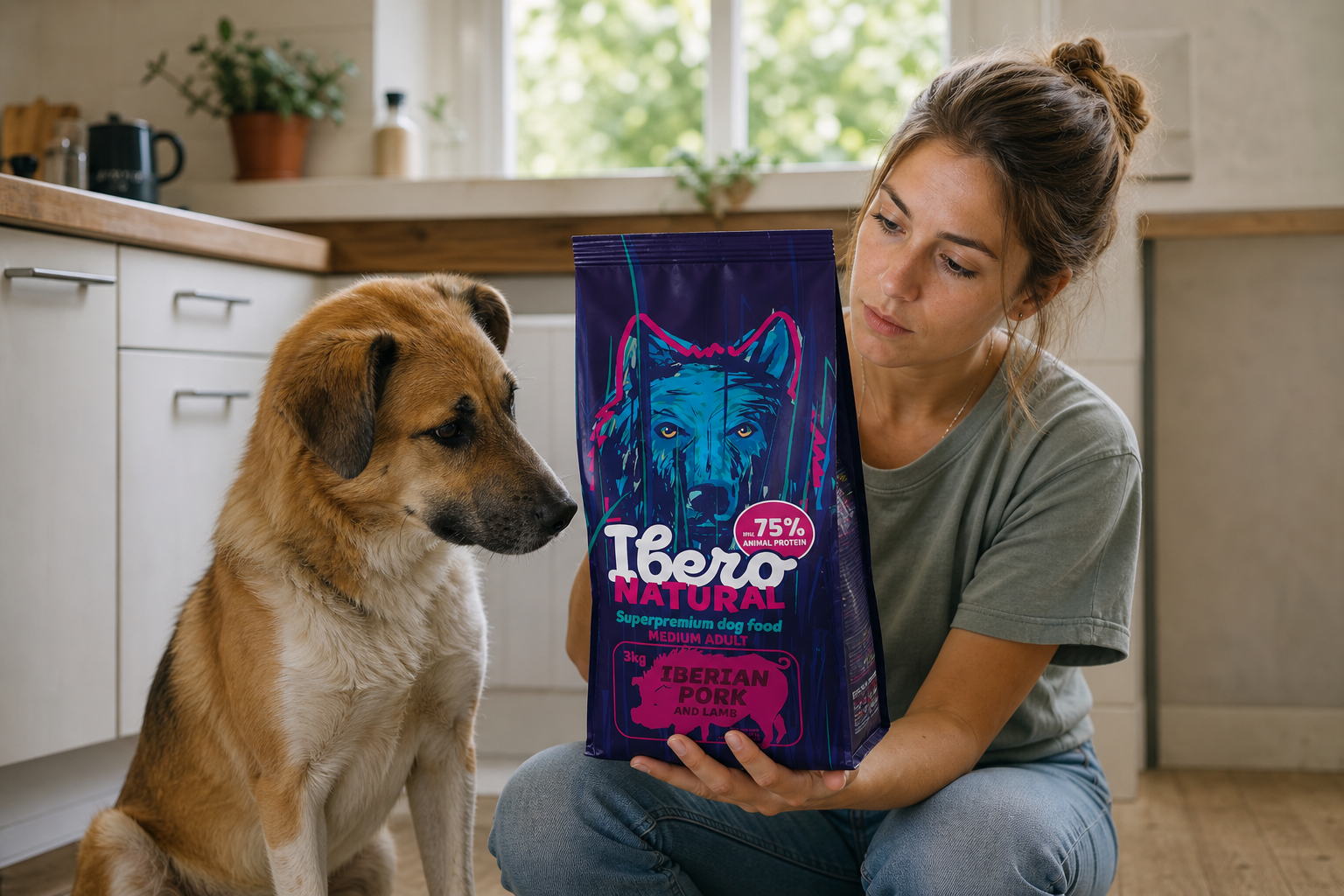
Your Quick Label Checklist:
- Specific Naming: Are the proteins clearly named (e.g., “Turkey” vs. “Meat”)?
- Clean Preservatives: Is the food free from BHA, BHT, and Ethoxyquin?
- Quality Carbs: Are the carbohydrates easily digestible (e.g., sweet potato, peas, or brown rice)?
If your dog suffers from a dull coat or dry skin, a targeted supplement can provide an extra boost. Ibero Salmon Oil is a fantastic source of Omega-3 fatty acids, which help reduce inflammation and restore shine. By prioritizing wet food and kibble with a clean, transparent composition, you are investing in your pet’s vitality for years to come.
- -11%
Original price was: 17,90 €.17,90 €Current price is: 17,90 €.
