

How Much Should You Feed Your Dog? A Guide to Finding the Right Portions
Is your dog full of vitality, or do they seem sluggish and heavy? Determining the correct daily portion is a critical step in preventing health issues and ensuring a long, active life for your pet.
How to Calculate Your Dog’s Basic Energy Needs
Every dog is an individual, and a “one size fits all” approach rarely works when it comes to nutrition. In veterinary medicine, energy requirements are assessed starting with the Resting Energy Requirement (RER). This figure represents the number of calories a dog needs to maintain basic vital functions—such as breathing, circulation, and digestion—while at complete rest.
The most accurate formula for calculating RER, particularly for dogs outside standard weight ranges, is: RER (kcal/day) = 70 × (body weight in kg)^0.75. For a quick daily estimate for dogs weighing between 2 and 45 kg, a simplified linear formula is also effective: 30 × (body weight in kg) + 70. However, this calculation is merely the foundation; multipliers are then applied based on the dog’s unique lifestyle and physiological needs.
The final portion size, known as the Maintenance Energy Requirement (MER), accounts for whether the dog is spayed or neutered, their activity level, and their current life stage. For example, a neutered dog often has a slower metabolism, meaning their energy needs can be up to 20% lower than an intact peer of the same weight.
Activity Levels and Life Stages Change the Equation
Once you have established the baseline, you must multiply the RER by the appropriate lifestyle factor. For a typical neutered adult dog, this multiplier is roughly 1.6, while for a highly active working or sporting dog, it can rise to 3.0 or higher.
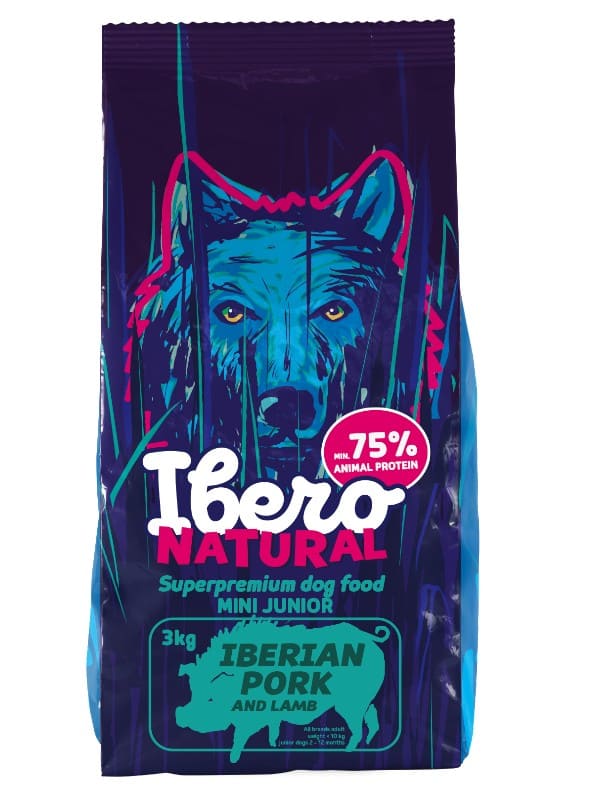
- Puppies: During their growth phase, puppies require significantly more energy and nutrients than adult dogs. Puppies under four months old often need up to three times the calories of an adult dog of the same weight to support rapid skeletal and muscular development.
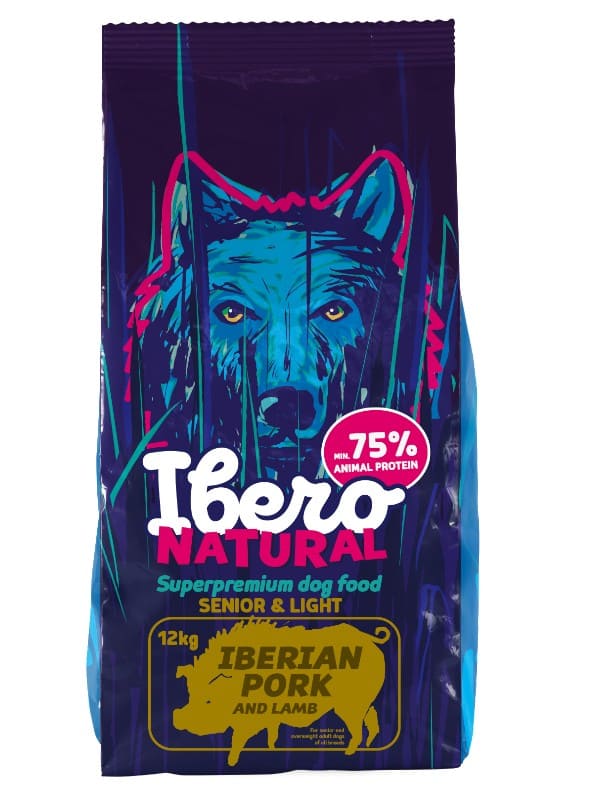
- Seniors: As dogs age, their metabolism slows and physical activity typically decreases. Consequently, calorie intake should be managed carefully to avoid excess weight that puts a strain on aging joints, while still ensuring the diet is rich in essential vitamins and minerals.
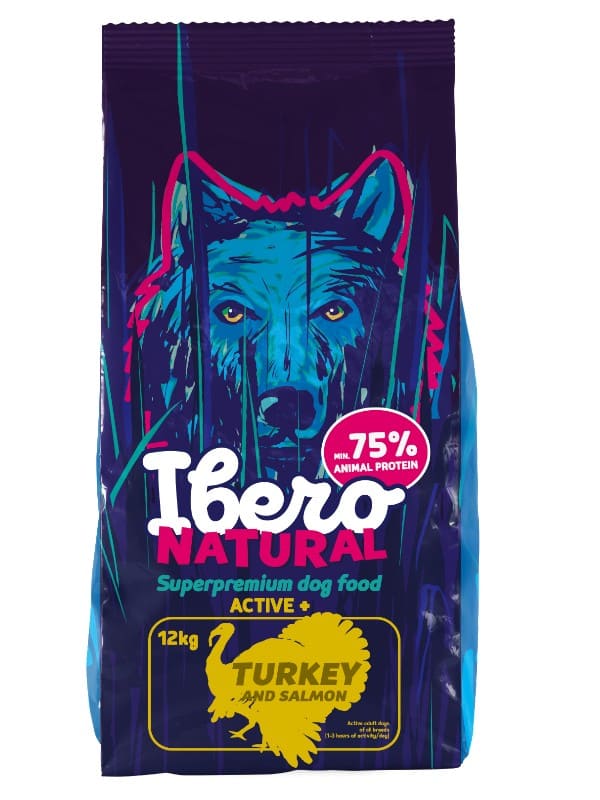
- Active Dogs: Canines that participate in joint sporting activities see a sharp spike in energy requirements. In these cases, it is best to choose a specialized, high-energy food formulated to support muscle recovery and endurance.
Feeding Guides: A Recommendation, Not a Rule
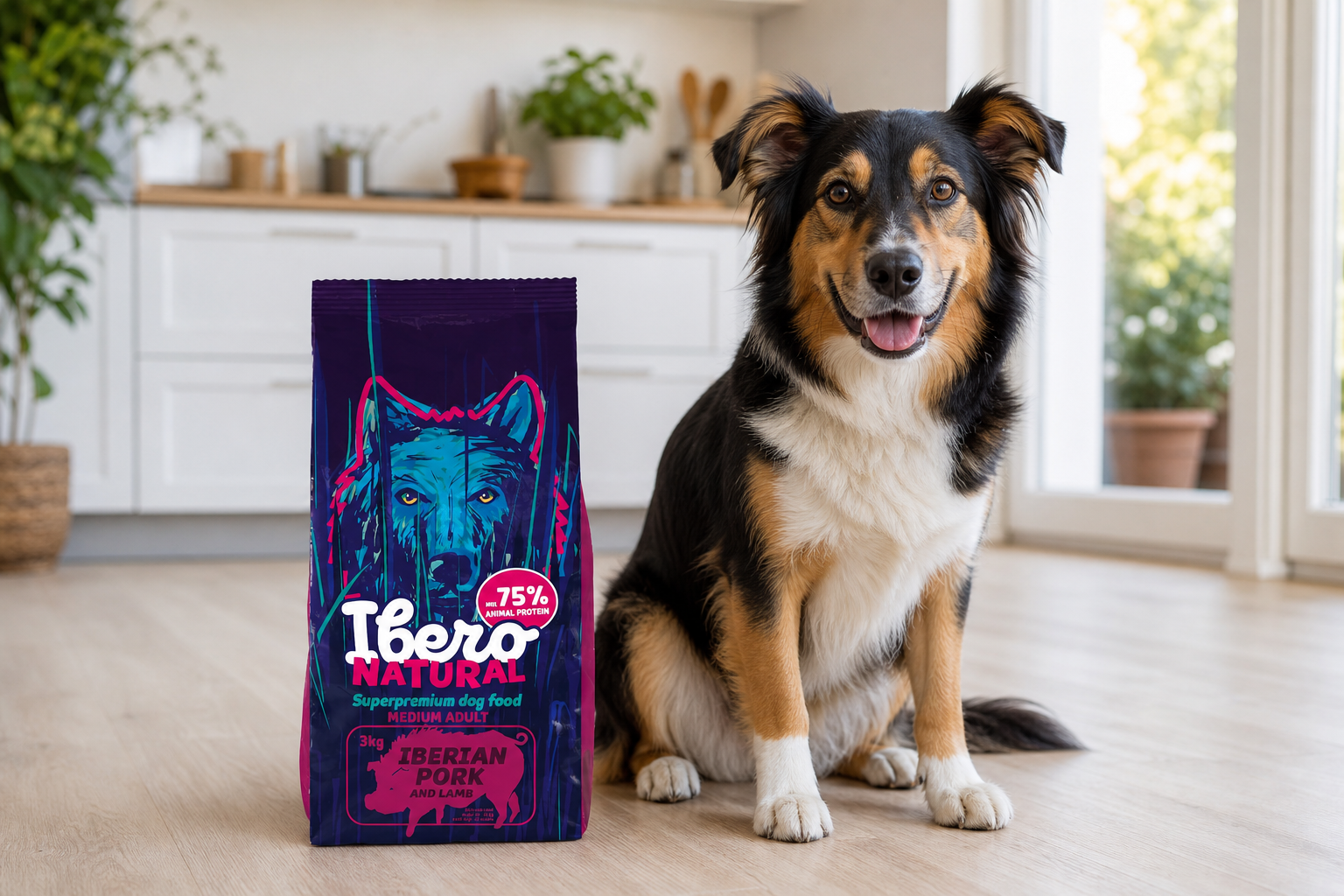
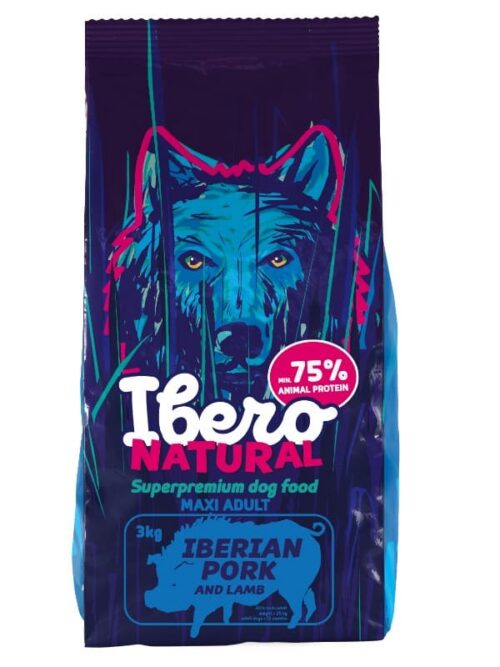
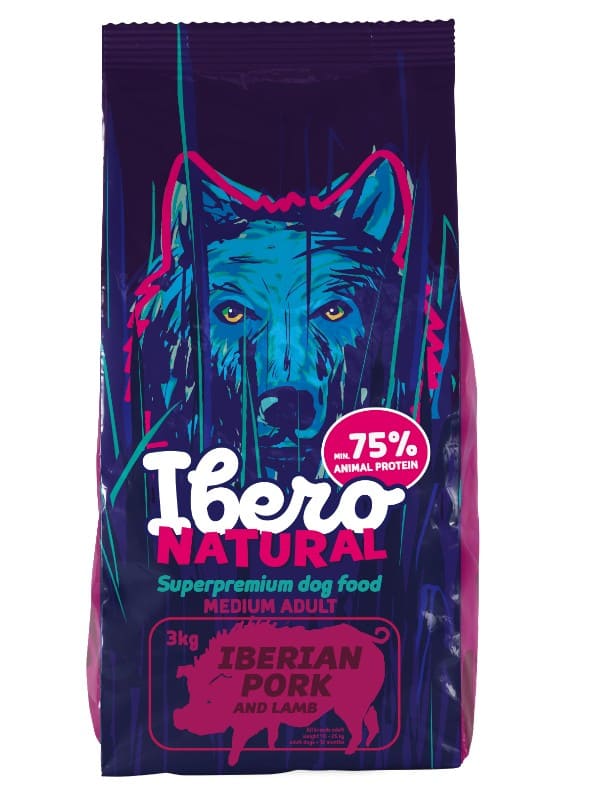
Manufacturers provide feeding guidelines on their packaging based on weight, but these are average estimates that cannot account for your pet’s specific metabolism. Use the recommended amount on the package as a starting point, but stay prepared to adjust it based on your dog’s physical condition.
Energy density also varies significantly between food types. For instance, high-quality dry dog food is a much more concentrated source of energy than wet food. A typical wet food might contain an average of 93 kcal per 100 grams, meaning the volume of wet food must be much larger to achieve the same caloric intake as kibble. If you prefer to combine dry and wet food, you must proportionally reduce both portions to avoid overfeeding.
- -9%
Original price was: 60,50 €.55,00 €Current price is: 55,00 €.
- -14%

Original price was: 60,50 €.52,00 €Current price is: 52,00 €.

How to Tell if the Portion Size is Correct
The most reliable way to gauge if your dog’s portions are correct is to monitor their Body Condition Score (BCS). Veterinarians generally recommend a score of 4–5 on a nine-point scale. A dog in ideal health will display the following traits:
- The ribs are easily felt but are not sharply visible.
- When viewed from above, the dog has a clear, proportional waistline.
- When viewed from the side, the abdomen is noticeably tucked up behind the ribcage.
If the waistline begins to disappear or the ribs become difficult to feel under a layer of fat, it is a sign of excess weight. Experts recommend reducing daily calorie intake by 10% and reassessing the dog’s condition after a month. To healthily enrich the diet and support a shiny coat, you can add Ibero salmon oil to the menu, which provides valuable omega fatty acids without unnecessary carbohydrates.
Practical Tips for Daily Feeding
Maintaining precise portion sizes requires consistency. Even small daily deviations can lead to weight gain or nutrient deficiencies over time.
- Use a kitchen scale: Weighing food is far more accurate than using a measuring cup or scoop. Studies show that measuring by volume can lead to fluctuations of up to 20%, which is particularly risky for small breeds.
- Follow the 10% rule: All dog treats should account for no more than 10% of your dog’s daily caloric intake. If you use treats for training, remember to subtract those calories from their main meals.
- Check the label: Ensure your dog’s primary food is a “complete feed,” meaning it contains all the nutrients required for their biological needs. You can read more about the differences between complete and complementary feed to make the best choice for your pet.
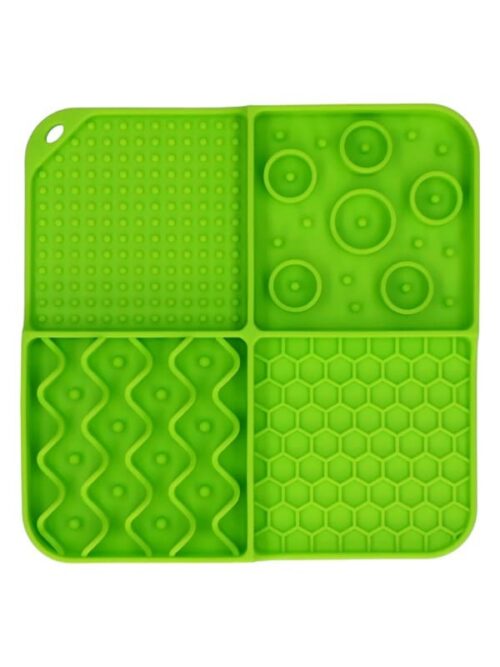
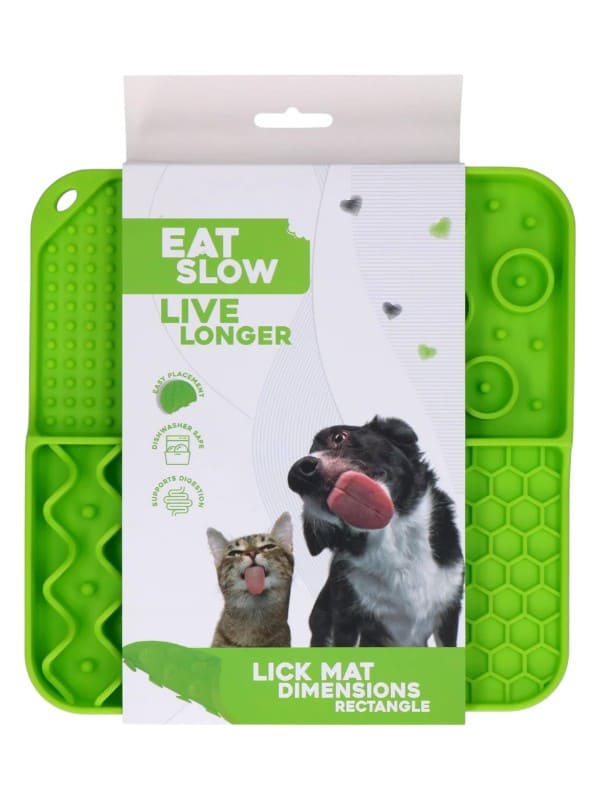
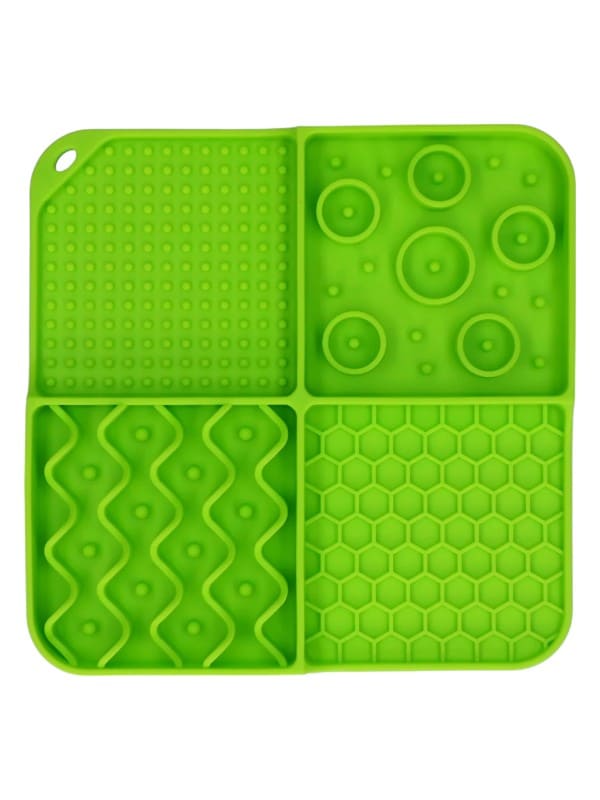
- Manage fast eaters: If your dog bolts their food, using specialized feeding and drinking bowls or licking mats can slow them down and provide beneficial mental stimulation.
- -20%

Original price was: 14,70 €.11,76 €Current price is: 11,76 €.

Finding the right amount of food is an ongoing process that evolves with your dog’s age and lifestyle. By monitoring their weight and energy levels regularly, you can make the necessary adjustments to keep them in peak health. If you are looking for the best dog food tailored to your pet’s needs, browse our selection to find the perfect nutritional match.