

How to Choose the Best Cat Food for Your Pet’s Health and Longevity
Did you know that a poor diet is one of the leading causes of chronic health issues in cats? With hundreds of options lining the shelves, finding the right formula can feel overwhelming—yet nutrition is the very foundation of your pet’s well-being. This guide will help you look past the marketing, decode ingredient labels, and find a menu tailored to your cat’s specific biological needs.
Decoding the Label: What’s Really in the Bag?
When it comes to cat food, the small print on the back of the package tells a far more honest story than the colorful photos on the front. Ingredients are listed in descending order by weight before processing. For a cat, the first ingredient should always be a clearly named animal protein (like “chicken” or “salmon”) rather than vague terms like “meat and animal derivatives.” As obligate carnivores, cats rely on high-quality animal proteins and fats for energy, taurine, and overall vitality.
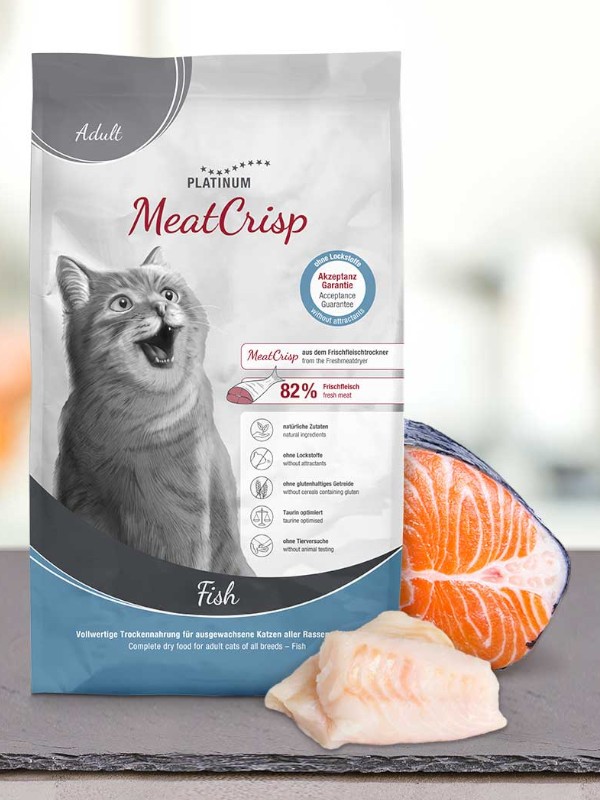
When browsing a selection of cat food, always look for the “guaranteed analysis.” This section provides the minimum percentages of crude protein and fat, alongside maximum levels of fiber and moisture. If you are looking for top-tier nutrition, innovative options like Platinum MeatCrisp use fresh meat and specialized preparation methods that preserve natural nutrients and amino acids better than traditional high-heat kibble.
Life Stages: From Kittens to Seniors
A cat’s nutritional requirements shift dramatically as they age. Choosing the wrong energy density can lead to developmental issues in kittens or obesity in adults, making it essential to match the food to your cat’s current life stage.
Kittens (Up to 12 Months)
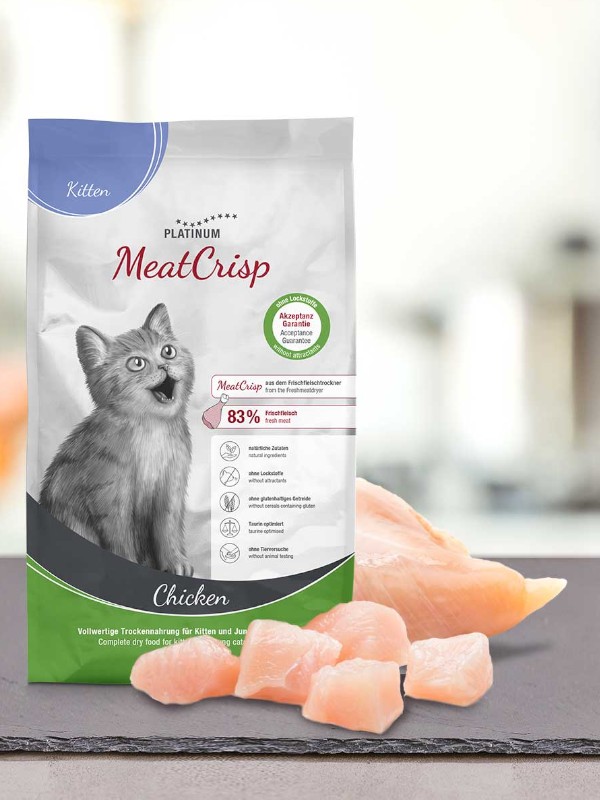
Kittens are high-energy bundles of growth that require significantly more protein and fat than adults. Look for formulas rich in DHA (docosahexaenoic acid), an omega-3 fatty acid crucial for brain and vision development. While most cats transition to adult food at 12 months, larger breeds (like Maine Coons) may benefit from kitten formulas until they are 18 months old.
Adults and Seniors
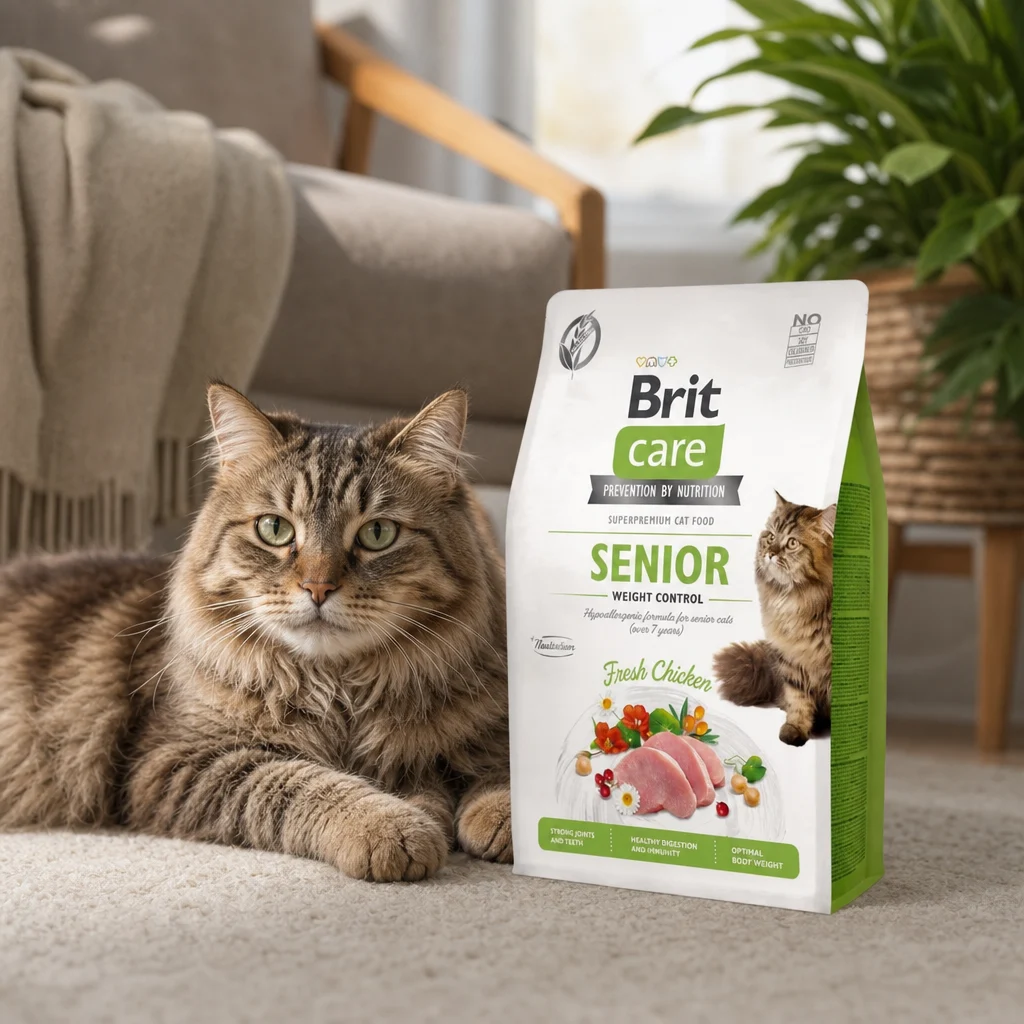
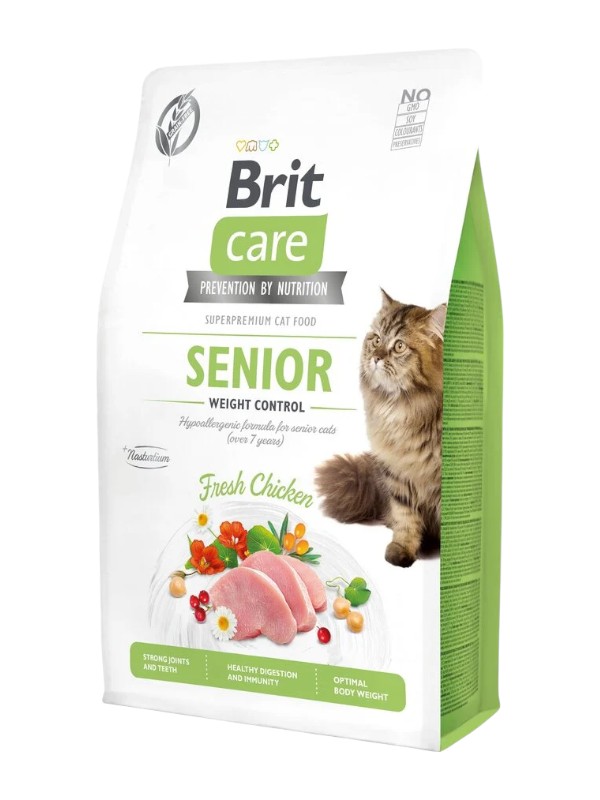
For adult cats, the priority shifts to maintaining a healthy weight and supporting metabolic function. Once a cat reaches senior status—typically around age 7—kidney health and joint mobility become the focus. Since many senior diets are labeled for “adult maintenance,” prioritize recipes with controlled phosphorus levels to protect the kidneys and added fiber for weight management.
Wet vs. Dry Food: Making a Fair Comparison
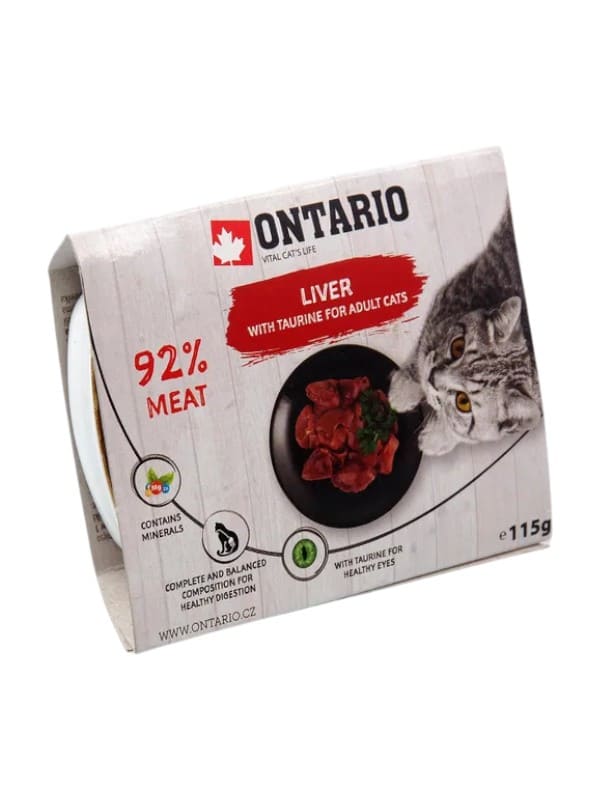
Comparing the nutritional value of wet and dry food can be tricky because of their vastly different moisture levels. Wet food usually contains 70–80% water, while dry food contains only 9–12%.
To compare them accurately, you must look at the nutrients on a “dry matter basis”—a calculation that removes the water content to reveal the true proportion of protein and fat. Wet food is often recommended for cats that don’t drink enough water, as it helps prevent urinary tract issues. Conversely, dry kibble is convenient, budget-friendly, and can help maintain dental health. Many veterinarians and owners recommend a “mixed feeding” approach to provide the benefits of both.
Addressing Special Dietary Needs
Indoor cats face unique challenges, such as lower activity levels and a higher propensity for hairballs and stress. Specialized formulas, like Brit Care Indoor Anti-stress, contain botanical ingredients designed to help pets stay calm during environmental changes, such as moving to a new home.
Furthermore, brands like Prospera Plus offer functional recipes enriched with “superfoods” like turmeric, rosemary, and cranberry. These ingredients support healthy digestion and a robust immune system, acting as a preventative measure against common feline ailments.
Complete vs. Complementary Food: A Vital Distinction
It is critical to understand the difference between “complete” and “complementary” pet foods.
- Complete Food: Formulated to meet AAFCO or FEDIAF nutritional standards. It contains every nutrient a cat needs and can be fed as their sole source of nutrition.
- Complementary Food: This includes many high-meat canned fillets, broths, and treats. While high in protein, they lack essential minerals like calcium or vitamins like taurine.
Feeding a cat only complementary food can lead to severe nutritional deficiencies. For more on how to balance these, see our guide on complementary and complete feed.
High-quality nutrition is a long-term investment in your cat’s health that can save you from frequent (and costly) veterinary visits down the road. By choosing food based on life stage, scrutinizing the ingredient list, and offering a varied diet, you are giving your pet the best chance at a long, happy life. Explore MiuMjau’s curated selection and find a new favorite for your cat today!