

Grains in Cat Food: Essential Nutrition or Just Filler?
Did you know that only a tiny fraction of cats are actually allergic to grains? While many pet owners opt for grain-free diets following current human health trends, it is essential to understand the biological role of carbohydrates in feline nutrition and identify when a “grain-free” label is truly a medical necessity.
The Role of Grains in a Cat’s Diet
While cats are biologically classified as obligate carnivores, this does not mean their systems are incapable of processing carbohydrates. When grains are properly cooked and processed, they become highly digestible and serve as an efficient source of quick energy. Rather than being mere “fillers,” grains like wheat, corn, and rice provide functional nutrients that support overall health.
Grains contribute several vital components to a balanced diet:
- Glucose: An essential fuel source for cellular function, particularly for the brain and red blood cells.
- Fiber: Supports gastrointestinal health, aids digestion, and helps prevent the formation of hairballs.
- Essential Fatty Acids and Vitamins: Crucial for maintaining skin integrity and a healthy, shiny coat.
When selecting your pet’s diet, it is vital to distinguish between complete feed and complementary feed. A high-quality complete feed must provide a precise balance of all necessary nutrients, regardless of whether the carbohydrate source is grain-based or alternative starch.
Is Grain-Free Always the Healthier Choice?
The common myth that grains are a leading cause of feline allergies is not supported by veterinary research. Studies show that food allergies affect only about 0.1% of all cats. When allergies do occur, the most common triggers are actually animal proteins—such as beef, fish, or chicken—rather than grains, which rank significantly lower as potential allergens.
It is also a misconception that grain-free cat food is carbohydrate-free. To maintain the structural integrity of kibble and provide energy, manufacturers replace grains with alternative starches like peas, chickpeas, potatoes, or tapioca. For example, Brit Care utilizes yellow peas and chickpeas in its recipes, which offer a low glycemic index and are easily absorbed by cats with sensitive systems.

When to Opt for Grain-Free Nutrition
A grain-free diet is primarily justified if a cat has been diagnosed with a specific intolerance or suffers from a highly sensitive digestive tract. Many owners also prefer these options because they typically feature a higher concentration of quality animal protein. This formulation more closely mimics a cat’s ancestral diet, where carbohydrate intake from prey was minimal.
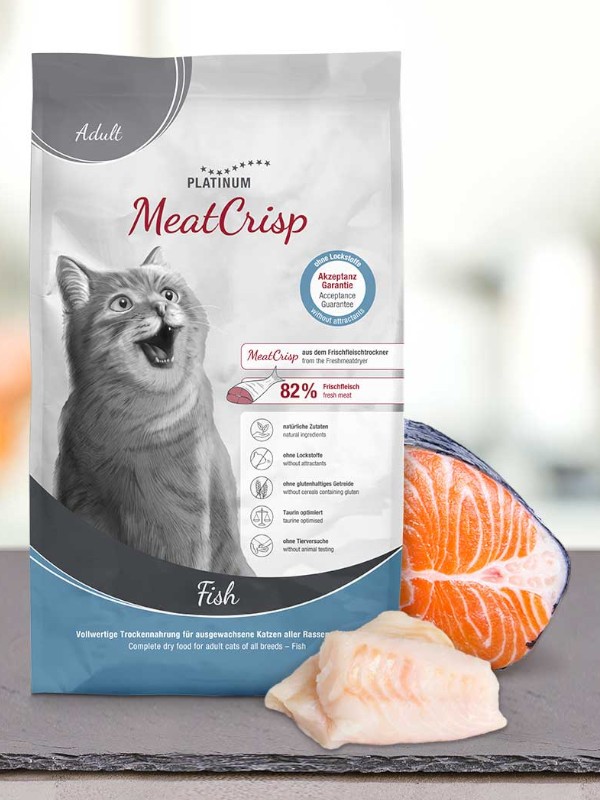
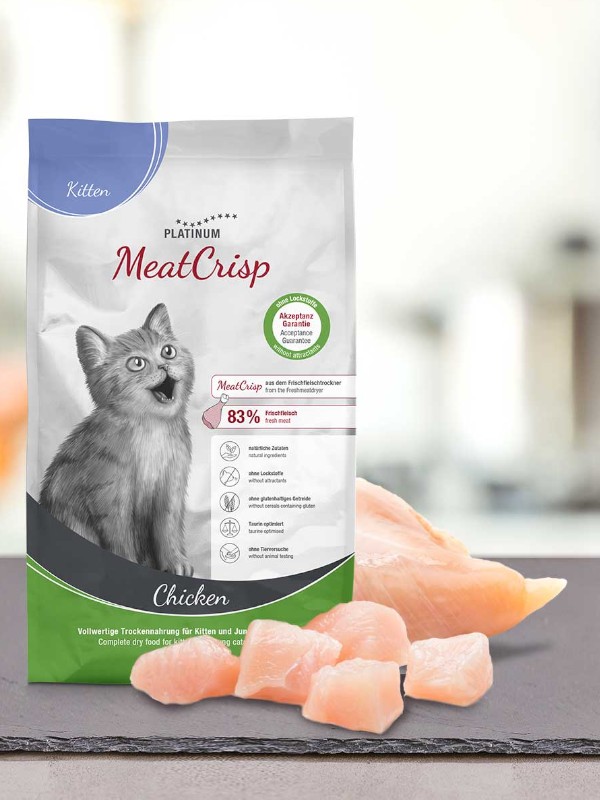
The Platinum MeatCrisp range offers a modern, health-conscious approach to this philosophy. Prepared with fresh meat rather than meat meal, this process preserves the meat’s natural micronutrients and amino acids. This dry food technology results in exceptional palatability for even the pickiest eaters while maintaining an optimal nutrient balance.
Wet Food and Meat-First Compositions
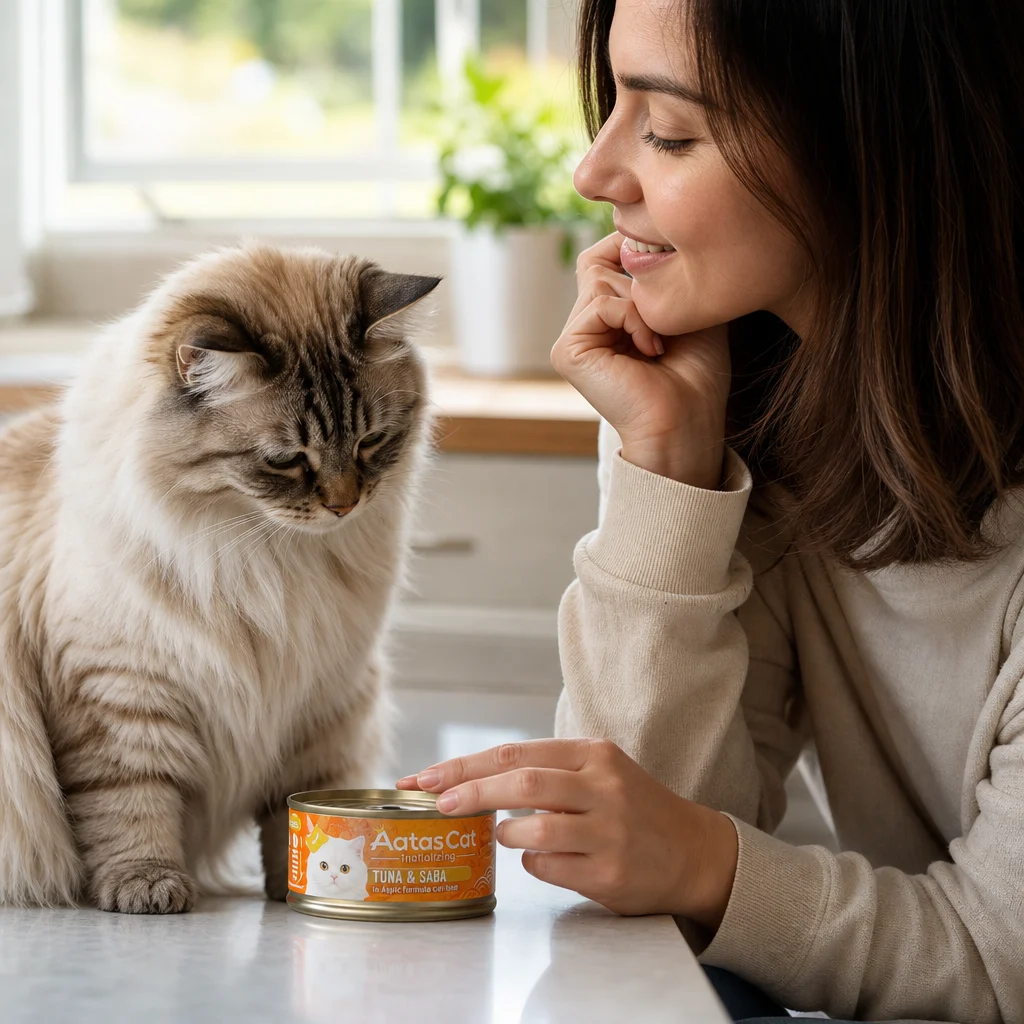
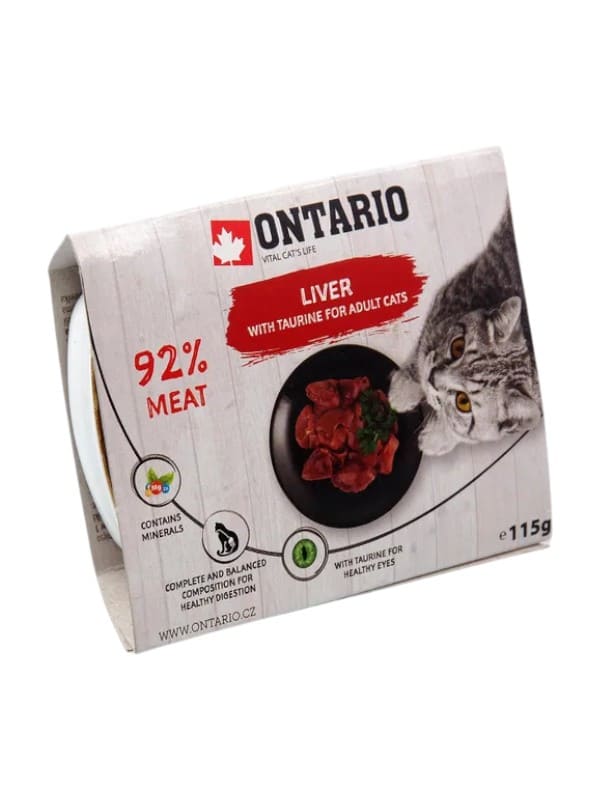
While carbohydrates are often necessary in dry food for technical production reasons, wet food allows for recipes that are significantly richer in meat. High-quality wet food ranges, such as Aatas Cat or Ontario, are often naturally grain-free, focusing on pure meat, fish, and nutrient-dense broths.
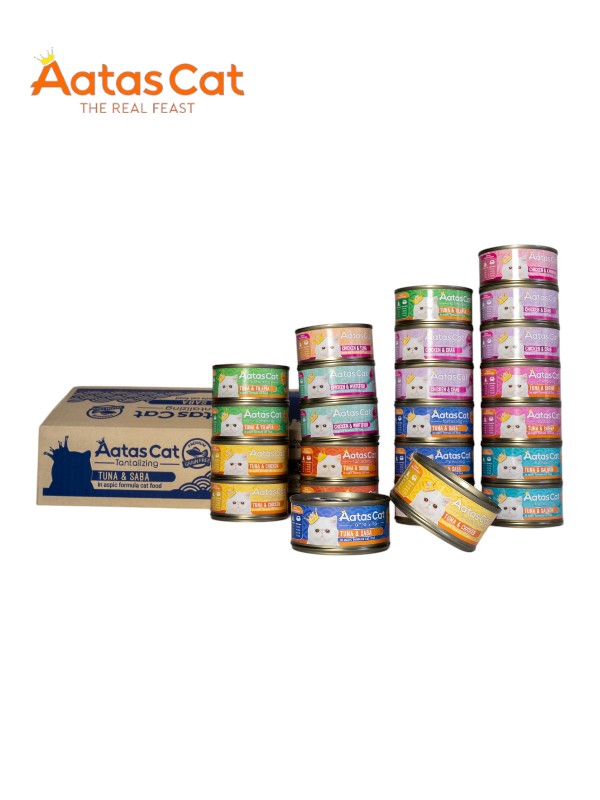
When choosing a food, don’t rely solely on a “grain-free” marketing label. Instead, examine the entire ingredient list. The most important factor is ensuring that a high-quality meat source is the primary ingredient and that the caloric density matches your cat’s age and activity level. Explore our curated selection of complete feeds at the MiuMjau e-store to find the perfect nutrition for your pet’s long-term health.