

Managing Kidney Disease in Cats: How to Choose the Right Diet
Have you noticed your cat becoming unusually lethargic or spending more time at the water bowl? These may be early warning signs of kidney issues—a condition where nutrition plays a vital role in managing health. For a cat with compromised renal function, the right diet is not just a preference; it is a critical tool for improving quality of life and extending longevity.
Chronic Kidney Disease (CKD) is one of the most common diagnoses in feline medicine, particularly among aging pets. Veterinary research consistently shows that a therapeutic renal diet is the cornerstone of treatment. By switching to specialized food in the early stages of the disease, owners can significantly slow its progression and alleviate the strain on the animal’s internal organs compared to a standard maintenance diet.
Why Is a Specialized Renal Diet Necessary?
The primary job of the kidneys is to filter waste products from the bloodstream. As kidney function declines, toxins begin to accumulate in the body—most notably those resulting from phosphorus and protein metabolism. Restricting dietary phosphorus is perhaps the most crucial step, as it directly reduces plasma phosphate levels and protects the kidneys from further damage.
High-quality cat food formulated for renal support follows these key nutritional principles:
- Low Phosphorus Content: Helps slow the progression of renal failure and keeps metabolic waste under control.
- High-Quality, Controlled Protein: Features proteins with high biological value that produce fewer nitrogenous waste products while still maintaining essential muscle mass.
- Increased Omega-3 Fatty Acids: Supports renal blood flow and helps reduce inflammation within the kidneys.
- Balanced Minerals: Controlled levels of sodium and magnesium reduce the workload on the kidneys and help manage blood pressure.
The Vital Role of Hydration and Wet Food
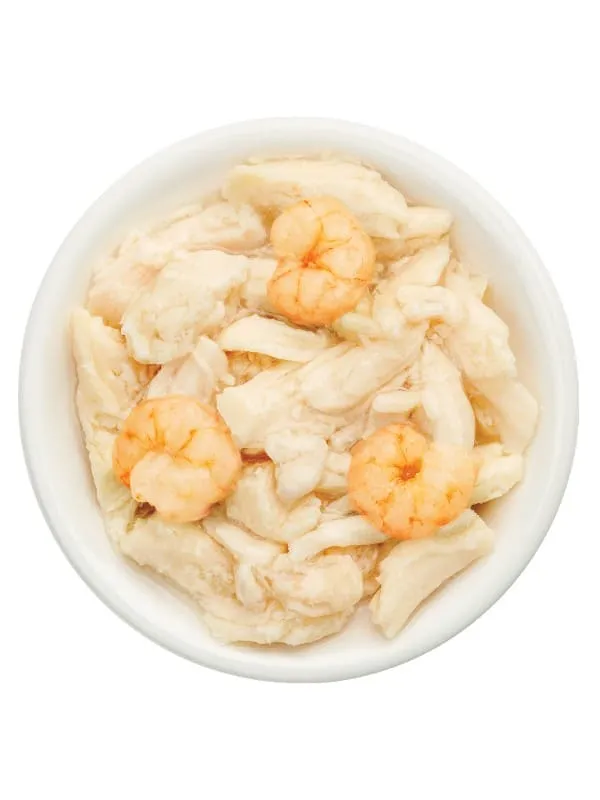
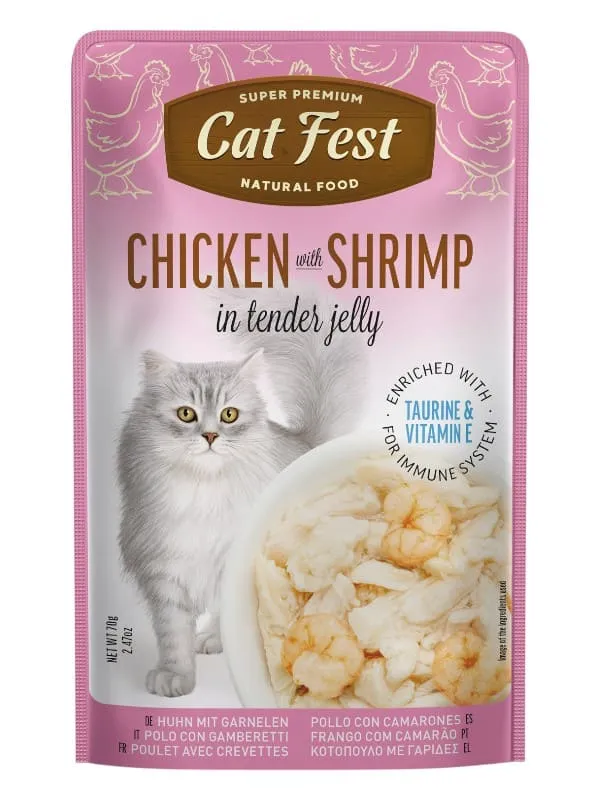
For cats with kidney disease, hydration is a matter of survival. Because damaged kidneys lose the ability to concentrate urine effectively, the cat loses significantly more water than a healthy animal. To combat dehydration, wet food is often the preferred choice, as it provides natural hydration directly through every meal.
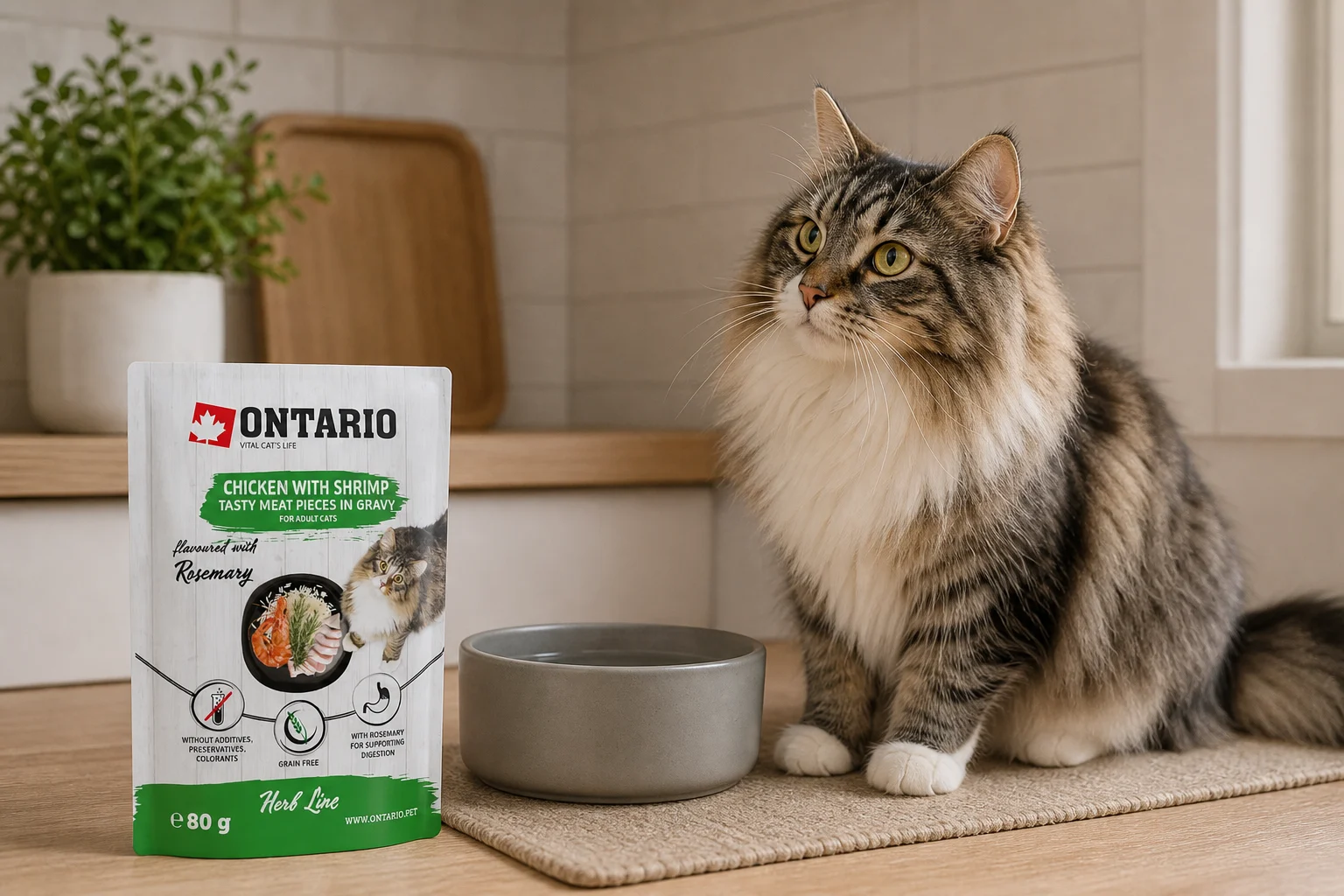
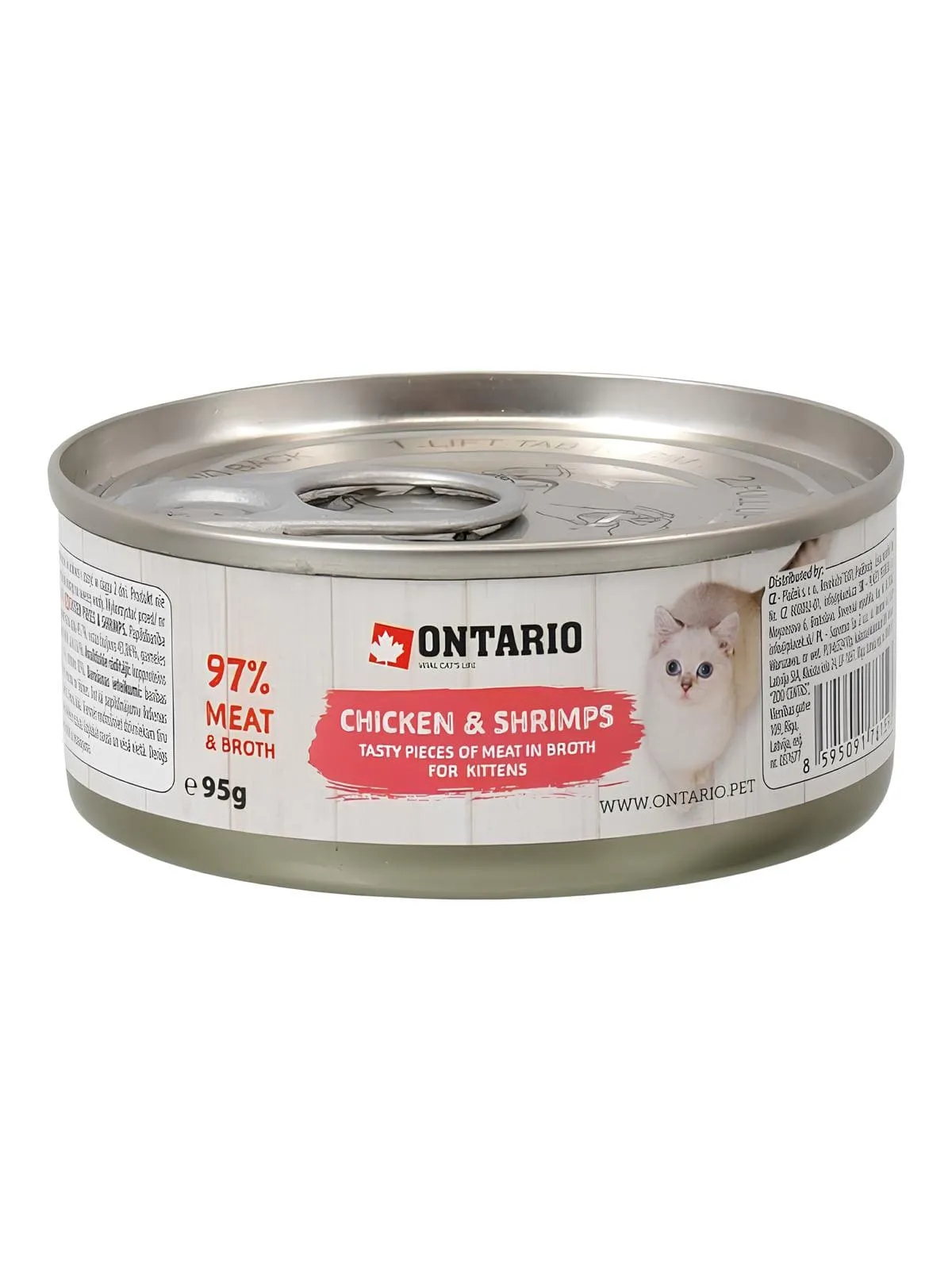
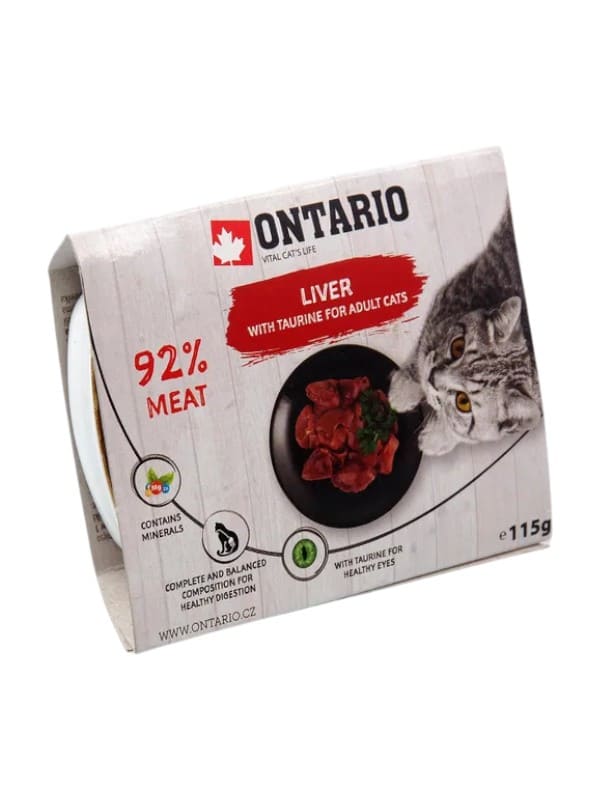
If your cat is a picky eater or struggles to drink enough water, the Ontario and Uniq Pets solutions in the MiuMjau range offer excellent support. For instance, Uniq Pets Soup products contain up to 90% moisture, providing a boost to both the kidneys and the urinary tract. Similarly, Ontario’s liquid meat-based drinks are specifically designed to increase daily fluid intake, helping to flush toxins and prevent the formation of kidney stones. These highly palatable options are often successful in enticing even the fussiest cats who might otherwise ignore their water bowl.
Dry Food and Preventive Renal Support
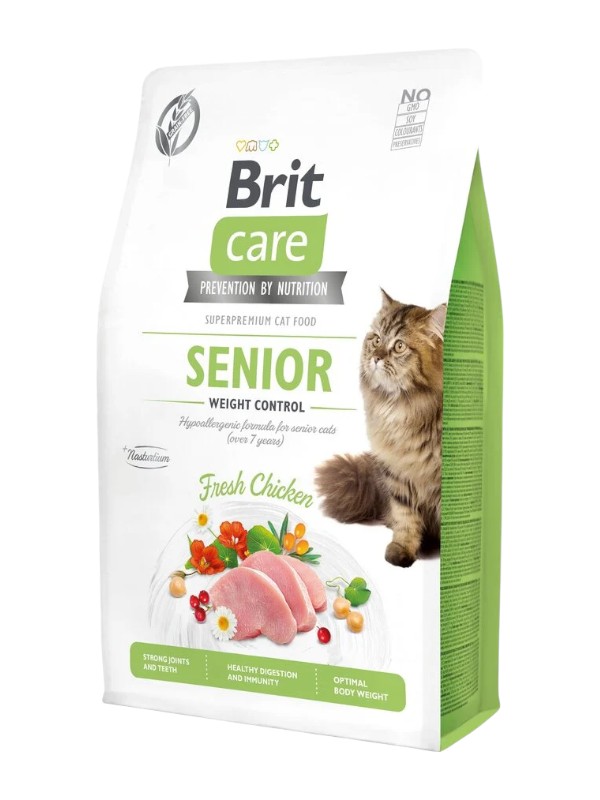
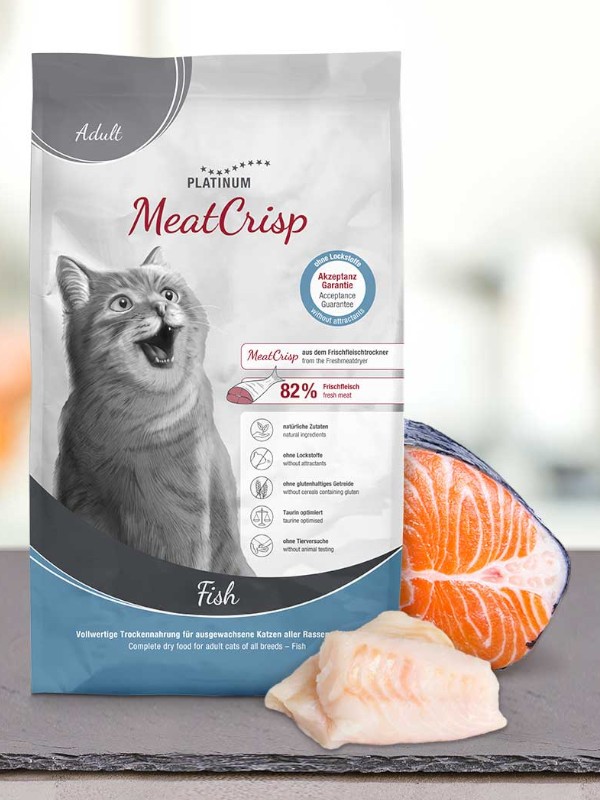
If your cat prefers the crunch of kibble, it is essential to choose a dry food specifically formulated for urinary and renal health. Many formulas in the Brit Care line utilize functional natural ingredients like sea buckthorn and nasturtium, which support the kidneys and help maintain an optimal urine pH range of 6.0–6.5.
For senior cats, managing body weight is also vital for reducing the overall metabolic load. Products like Brit Care Senior Weight Control combine a lower fat content with medicinal herbs that support the kidneys, ensuring that excess weight does not place additional stress on weakened organs. Furthermore, balanced minerals and the addition of L-methionine help prevent the formation of crystals, keeping the urinary tract clear.
Complete vs. Complementary Feed: Building an Optimal Menu
When navigating the pet food aisle, it is important to distinguish between complete and complementary feeds to ensure your cat receives proper nutrition. Complete feed is nutritionally balanced to meet all of a cat’s daily requirements on its own. In contrast, complementary feeds—such as soups, broths, and toppers—are intended to enrich the diet and provide extra hydration.
For a cat managing kidney disease, a “best of both worlds” approach is often recommended: combining high-quality renal dry food with high-moisture complementary toppers. This strategy ensures the cat receives necessary calories while maintaining the high fluid intake essential for kidney function. Additionally, targeted cat supplements can be used to bolster the immune system and support digestive health.
Choosing the right diet is the single most effective way to give your cat more healthy years. By reducing the renal workload and preventing rapid disease progression, you can help your pet stay comfortable and active. Explore MiuMjau’s curated selection of renal support solutions to find the perfect dietary plan for your cat’s needs.